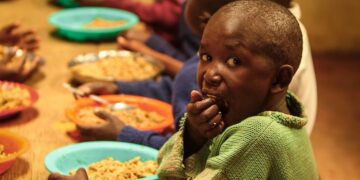











































































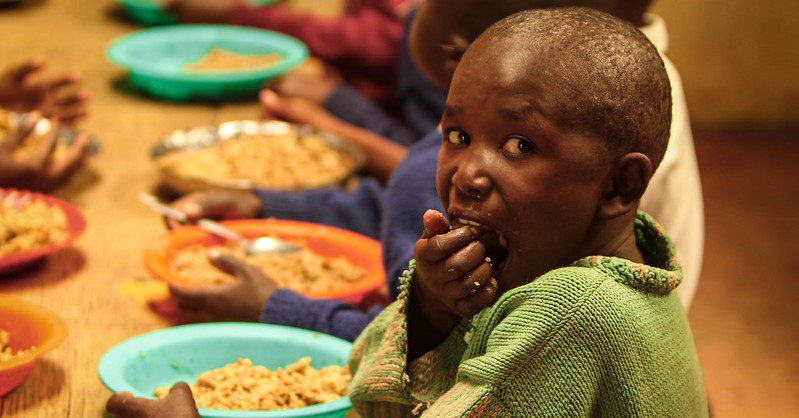
The United Nations (UN) has issued a harrowing warning: over 35 million Nigerians are now at risk of acute hunger following a catastrophic collapse in global humanitarian funding. The announcement, made today, Thursday, 22 January 2026, paints a grim picture of a “perfect storm” where rising food costs meet a disappearing safety net.
The World Food Programme (WFP) and the Food and Agriculture Organization (FAO) have jointly alerted that without an immediate infusion of at least $1.2 billion, the most vulnerable populations in Nigeria’s North-East, North-West, and middle-belt will slide into a full-scale famine.
The “Global Funding Collapse” is the result of three major 2026 pressures. For instance, billions in humanitarian dollars have been redirected to the Gaza Reconstruction Fund (overseen by the Board of Peace) and ongoing conflicts in Eastern Europe.
Global food prices remain at historic highs, meaning the “aid dollar” now buys 30% less grain than it did two years ago.
Major contributors like the UK and parts of the EU have slashed their foreign aid budgets to focus on domestic economic recovery.
Areas Most at Risk
North-East (Borno, Adamawa, Yobe): Already fragile due to years of insurgency, these states face the most immediate threat of starvation.
North-West (Zamfara, Katsina): Rising banditry has stopped farmers from planting, and with aid drying up, there is no backup supply.
Urban Poor (Lagos, Kano, Onitsha): Skyrocketing food prices mean even those with jobs are increasingly unable to afford two meals a day.
The Hunger Crisis by the Numbers
| Metric | 2025 Data | 2026 Projection |
| People in Acute Hunger | 25 Million | 35 Million |
| Funding Gap | $400 Million | $1.2 Billion |
| Severely Malnourished Children | 1.8 Million | 2.4 Million |
| Cereal Price Index | 145 pts | 188 pts |
Statement from the UN Resident Coordinator in Nigeria
“We are witnessing a silent emergency. While the world’s attention is on peace boards and royal rumbles, 35 million people are slipping toward the abyss. This isn’t just a Nigerian problem; it’s a global moral failure. If we don’t act now, the cost of the fallout, migration, instability, and loss of life, will be far higher than the cost of the aid.”