








































































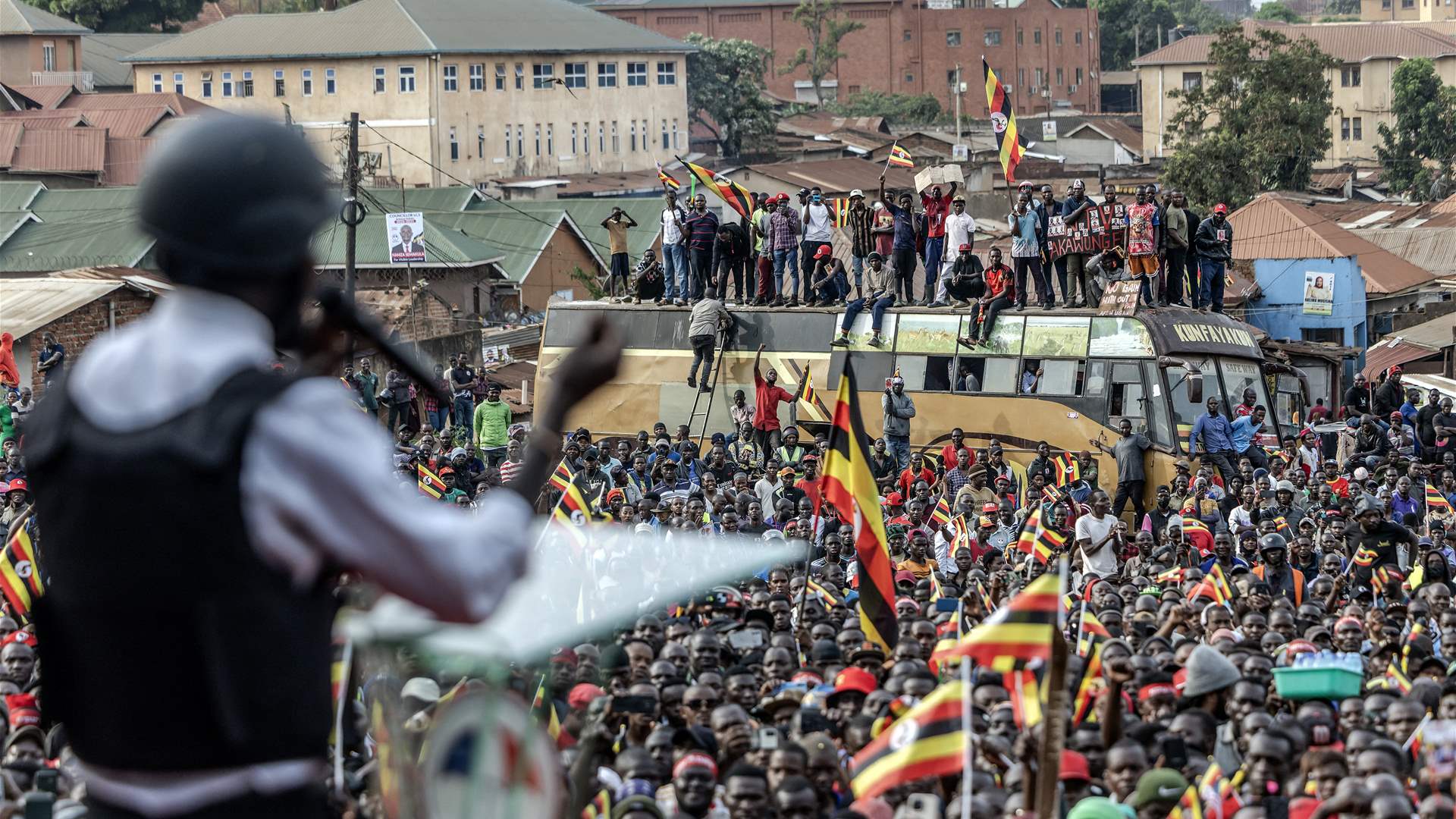
Tensions in East Africa have reached a breaking point as the Ugandan government officially directed a nationwide internet shutdown and ordered several prominent human rights organizations to cease operations today, Tuesday, 13 January 2026, just 48 hours before the presidential election.
The moves are seen by international observers as a “scorched earth” approach by the 81-year-old incumbent, President Yoweri Museveni, to secure a seventh term in office against his primary challenger, Bobi Wine.
The Uganda Communications Commission (UCC) directed telecommunications companies to disable internet access effective 18:00 local time.
Authorities claim the shutdown is a “national security measure” to prevent the spread of misinformation and the “unlawful” live-streaming of results.
Beyond social media, the blackout has paralyzed mobile money services, which millions of Ugandans rely on for daily transactions and cash withdrawals.
Security forces have warned that anyone caught attempting to bypass the blackout using Virtual Private Networks (VPNs) will be treated as a “security threat.”
In a coordinated move, the National Bureau for NGOs issued letters to at least three major rights groups, ordering them to “cease operations with immediate effect.”
The affected organizations include Chapter Four Uganda, the Center for Constitutional Governance, and the National Coalition of Human Rights Defenders.
The Bureau alleged these groups were involved in activities “prejudicial to the security of Uganda,” though no specific evidence was provided.
By suspending these groups, the government has effectively removed independent monitors who were tasked with documenting polling station irregularities and potential human rights abuses by security forces.
The United Nations Human Rights Office released a scathing report on Friday, describing the atmosphere as one of “repression and intimidation,” citing the use of live ammunition to disperse peaceful rallies and the abduction of opposition supporters in unmarked vehicles known as “drones.”
Bobi Wine, speaking via a pre-recorded message before the blackout, urged his supporters:
“They have taken the internet, but they cannot take your voices. Go to the polls, stay at the polls, and protect your vote. We will not be silenced by the darkness.”
Political analysts note that Museveni is using the exact same strategy that secured his 2021 victory: a total information blackout paired with the neutralization of civil society. However, with over 21 million registered voters and a youth-heavy electorate increasingly frustrated by economic stagnation, the potential for post-election unrest is at an all-time high.