







































































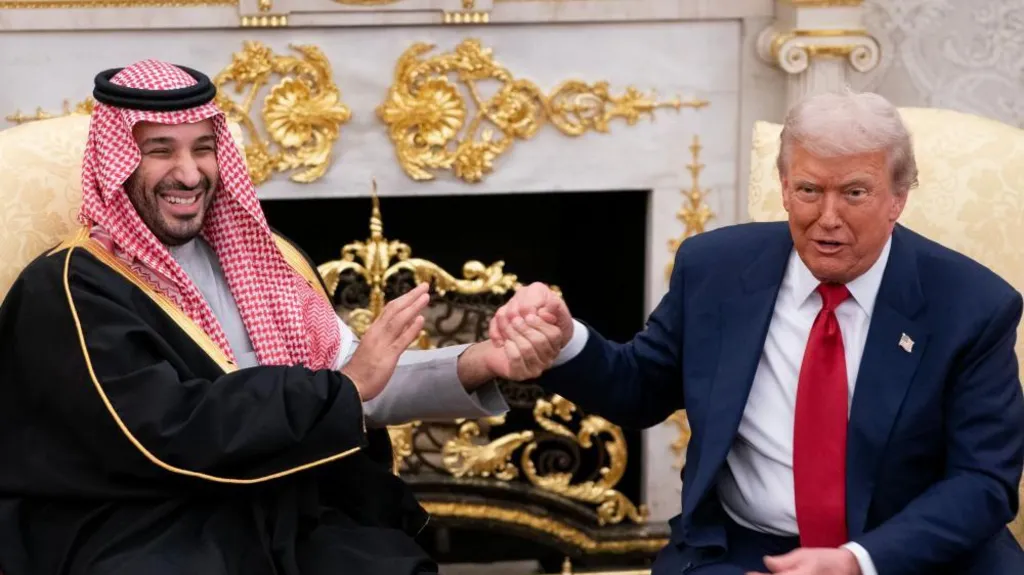
In a major shift for Middle Eastern and global diplomacy, Turkey and Saudi Arabia have officially agreed to join President Trump’s newly formed “Board of Peace.” This high-level initiative, a cornerstone of the administration’s 2026 foreign policy, aims to mediate regional conflicts and establish a new framework for security and trade in the Mediterranean and Gulf regions.
The announcement was confirmed today, Thursday, 22 January 2026, following a series of closed-door summits between U.S. Secretary of State and senior diplomats from Ankara and Riyadh.
The Board of Peace is a Trump administration initiative designed as a streamlined, “transactional” alternative to traditional multilateral bodies. Its goal is to bypass the bureaucratic hurdles of the UN or NATO for rapid conflict resolution and economic deal-making.
Core Focus: Ending the protracted conflicts in the Middle East and Eastern Europe through direct “leader-to-leader” negotiations.
The “Economic Peace” Model: The board emphasizes infrastructure and energy deals as a prerequisite for lasting political stability.
Key Members: With the addition of Turkey and Saudi Arabia, the board now includes a powerful bloc of regional heavyweights, joining several other undisclosed partner nations.
Strategic Implications
The entry of Turkey and Saudi Arabia marks a significant diplomatic win for the White House:
Saudi Arabia’s Role: Riyadh is expected to lead the “Energy and Prosperity” pillar, leveraging its influence in OPEC+ to stabilize global oil markets (relevant given the recent Kazakh force majeure).
Turkey’s Role: Ankara is positioned as the primary “Geopolitical Bridge,” acting as a mediator for tensions between the West and Russia, as well as managing migration and security in the Mediterranean.
A Counter-Weight: The board is seen by many analysts as a strategic move to diminish the influence of rival regional blocs and offer a “U.S.-centric” security architecture.
The Board of Peace at a Glance
| Pillar | Leading Nations | Objective |
| Security & Mediation | Turkey, USA | Ceasefire negotiations and border stability. |
| Economic Prosperity | Saudi Arabia, USA | Cross-border trade, tech investment, and energy. |
| Cultural Dialogue | TBD | Strengthening ties through religious and cultural exchange. |
Global Reaction
The news has drawn mixed reactions:
The Supporters: Proponents argue that bringing Turkey and Saudi Arabia into a formal, U.S.-led mediation board is the most realistic path to Middle Eastern peace in decades.
The Skeptics: Some European allies have expressed concern that the “Board of Peace” could undermine established international institutions like the UN Security Council.