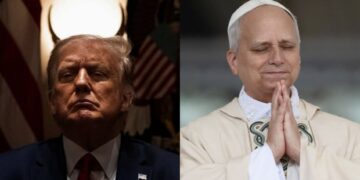









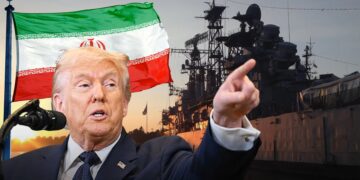
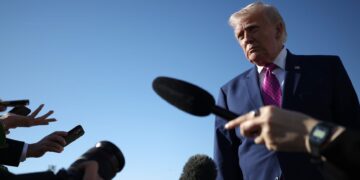























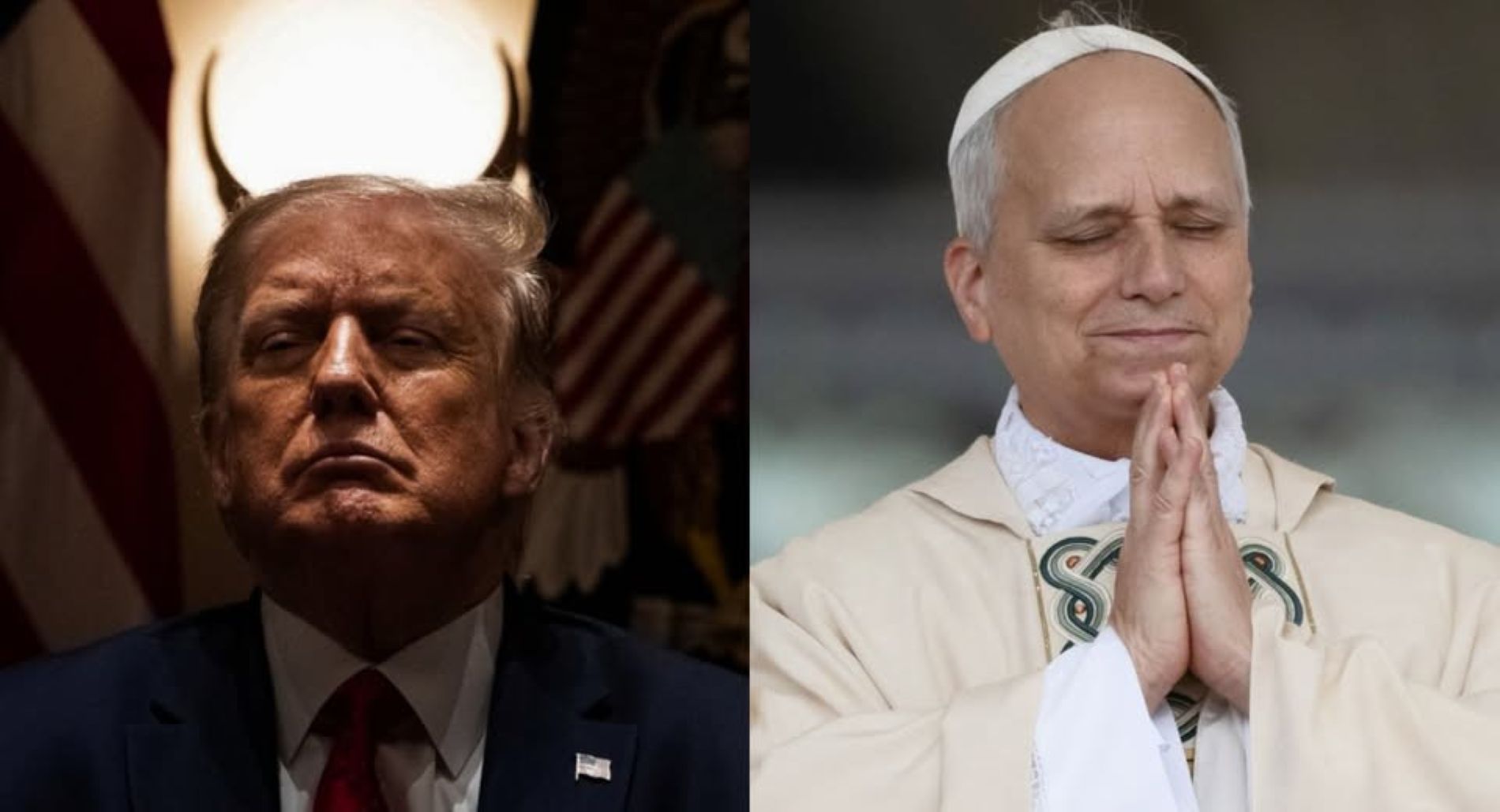
U.S. President Donald Trump has drawn widespread attention after launching an unusually direct and personal attack on Pope Leo, calling the pontiff “terrible” in remarks that have stirred political and religious tensions.
The comments, made during a media appearance and later echoed online, mark one of the most blunt criticisms of a sitting pope by a U.S. president in recent history.
Trump’s remarks break with longstanding diplomatic norms, where U.S. leaders typically maintain measured language when referring to the head of the Catholic Church.
While disagreements between political leaders and the Vatican are not uncommon, they are usually expressed in indirect or policy-focused terms rather than personal attacks.
Trump did not elaborate extensively on the reasons behind his criticism, but it is believed to be linked to differences over global issues such as migration, conflict and humanitarian policy.
The statement has triggered mixed reactions across political and religious circles.
Supporters of the pope described the comments as inappropriate and disrespectful, arguing that such rhetoric risks deepening divisions at a time of global uncertainty.
Others aligned with Trump defended his right to criticize international figures, especially on matters where political and religious perspectives intersect.
The clash comes amid heightened geopolitical tensions and ongoing diplomatic challenges involving the United States and several global actors.
Observers say the remarks could complicate relations between Washington and the Vatican, which often plays a quiet but influential role in international mediation efforts.
Trump is known for his unfiltered communication style, frequently targeting political opponents and public figures.
However, directly criticizing a pope in such stark terms is rare, even by his standards, and underscores the increasingly confrontational tone shaping global political discourse.
For now, the Vatican has not issued an official response, but the episode is likely to linger as another flashpoint at the intersection of politics, religion and diplomacy.