




































































U.S. President Donald Trump has ordered a naval blockade of the Strait of Hormuz, dramatically escalating tensions after peace talks with Iran failed to produce a breakthrough.
The announcement came on Sunday, just days after a fragile two-week ceasefire had raised hopes of de-escalation in the six-week conflict between both countries.
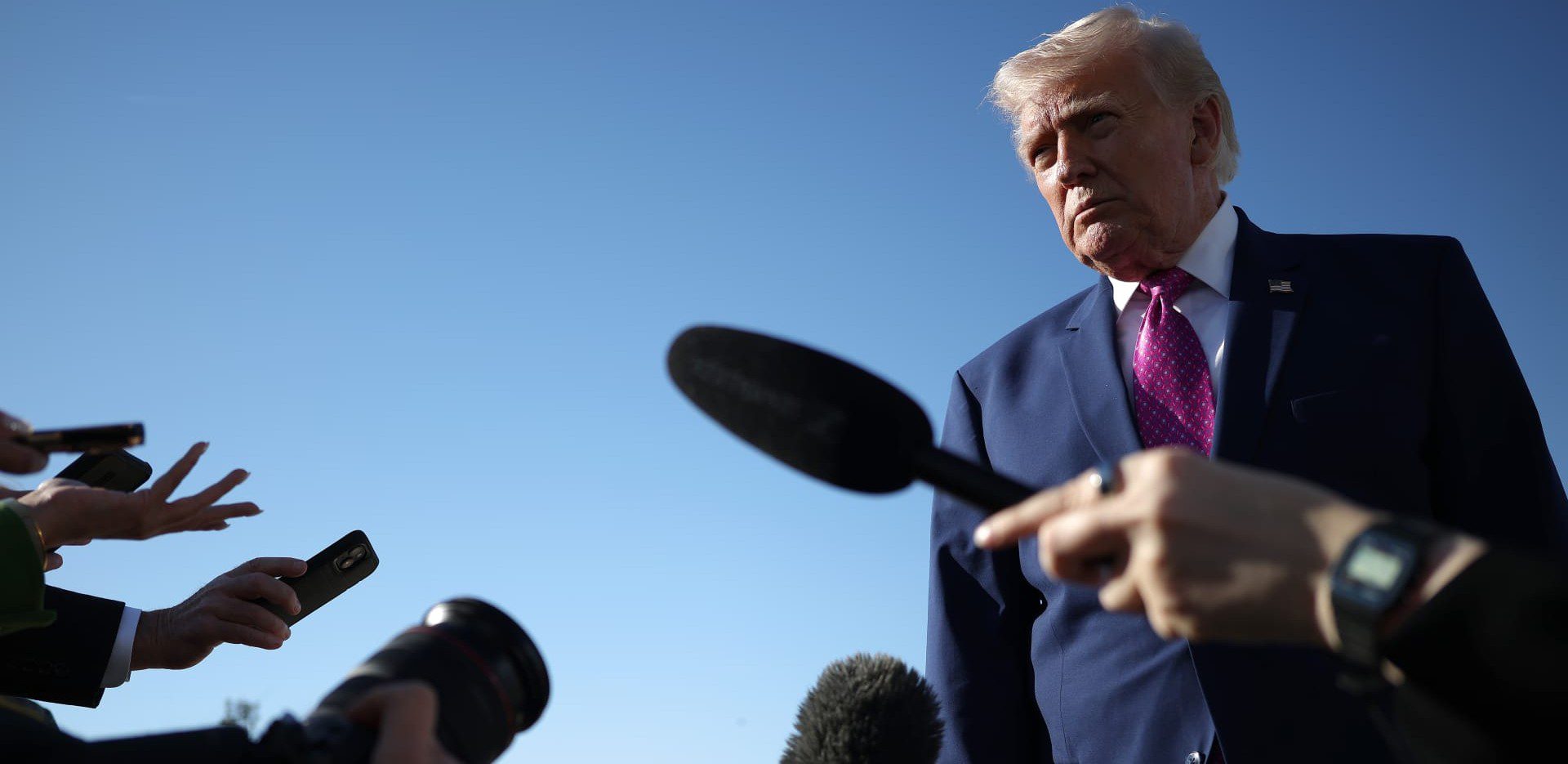
In a post on Truth Social, Trump said the U.S. Navy would immediately begin intercepting ships moving through the strategic waterway, which handles roughly 20 percent of global oil supply.
“Effective immediately, the United States Navy… will begin the process of blockading any and all ships trying to enter or leave the Strait of Hormuz,” he said.
High-stakes escalation
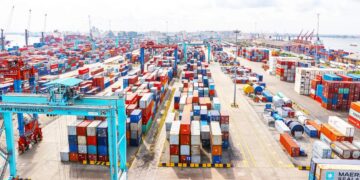
The Strait of Hormuz is one of the world’s most critical energy corridors, and any disruption has immediate global economic implications.
Trump also directed U.S. forces to target vessels that have paid transit fees to Iran and to clear naval mines allegedly deployed in the strait.
The move raises the risk of direct confrontation, with Trump warning that any Iranian attack on U.S. forces or commercial shipping would be met with overwhelming force.
Talks collapse in Islamabad
The escalation follows the collapse of high-level talks between U.S. and Iranian officials in Islamabad, the first such direct negotiations in more than a decade.
U.S. Vice President JD Vance, who led the American delegation, said Iran had refused key demands, including commitments to abandon its nuclear ambitions.
“Iran is unwilling to give up its nuclear ambitions,” Trump later said, reinforcing Washington’s position.
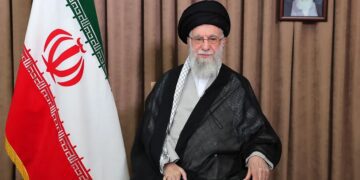
On the Iranian side, delegation leader Mohammad Baqer Qalibaf accused the U.S. of failing to build trust, despite what he described as constructive proposals.
Iranian officials insist that any deal must include sanctions relief, war reparations, and broader regional conditions, including a ceasefire in Lebanon.
Regional tensions deepen
Even as talks were underway, conflict continued elsewhere in the region.
Israel has maintained airstrikes against Hezbollah positions in Lebanon, a key Iranian ally, with both Washington and Tel Aviv insisting that front remains separate from the U.S.-Iran ceasefire.
Iran, however, has made a halt to fighting in Lebanon one of its core demands, further complicating negotiations.
Fragile ceasefire at risk
The breakdown in talks now threatens the already fragile ceasefire announced earlier in the week.
Despite tensions, some oil shipments have resumed, with a small number of tankers navigating the strait, suggesting cautious optimism among some traders.
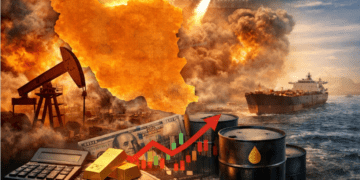
However, analysts warn that a full blockade could send oil prices surging again and destabilize global markets.
Uncertain path forward
While Trump expressed confidence that Iran would eventually return to the negotiating table, positions on both sides remain far apart.
With military pressure increasing and diplomatic efforts stalled, the situation in the Gulf appears to be entering a more volatile phase, with significant risks for regional stability and the global economy.