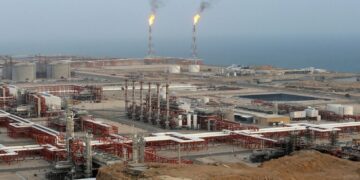























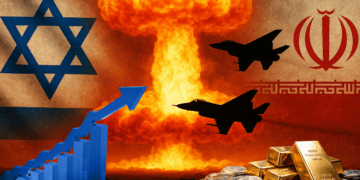

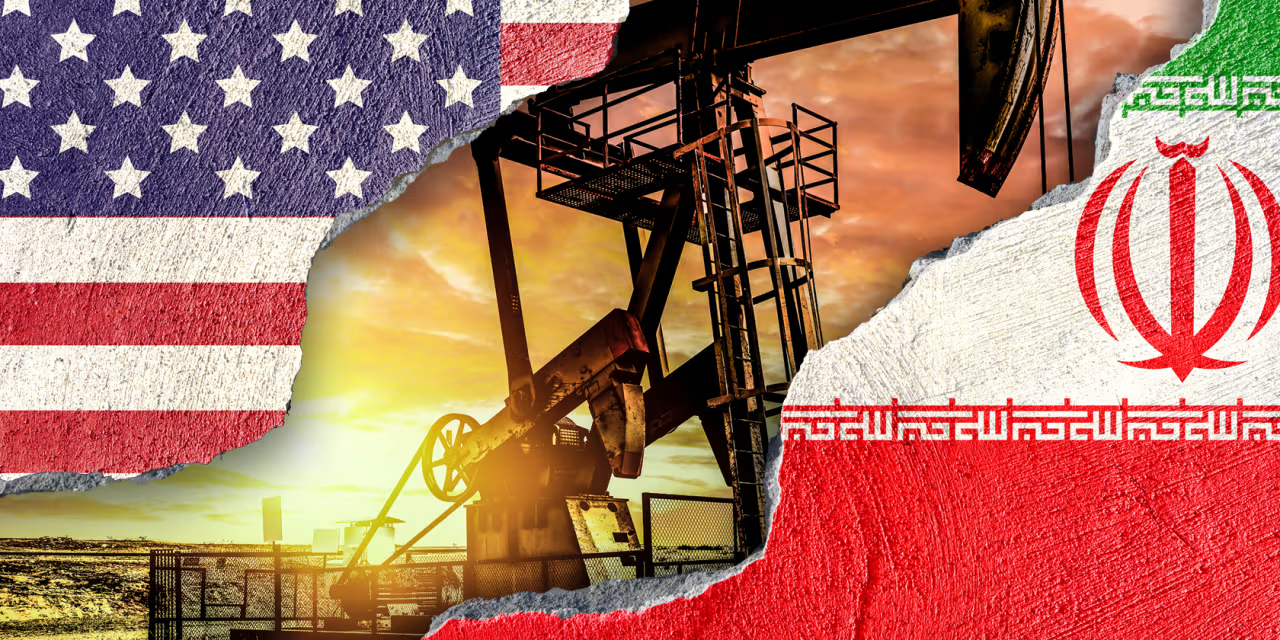























Tensions across the Middle East have sharply intensified following a warning by Donald Trump that the United States could “blow up” Iran’s section of the South Pars gas field if Tehran launches retaliatory strikes targeting Qatar.
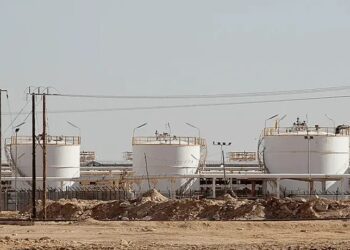
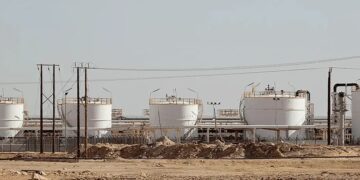
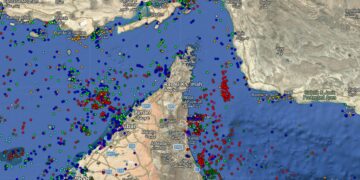
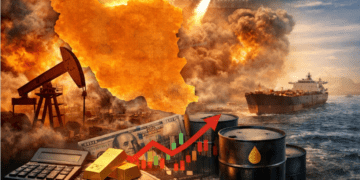
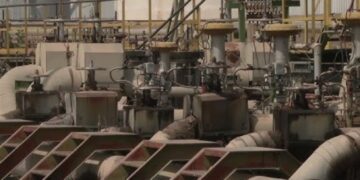
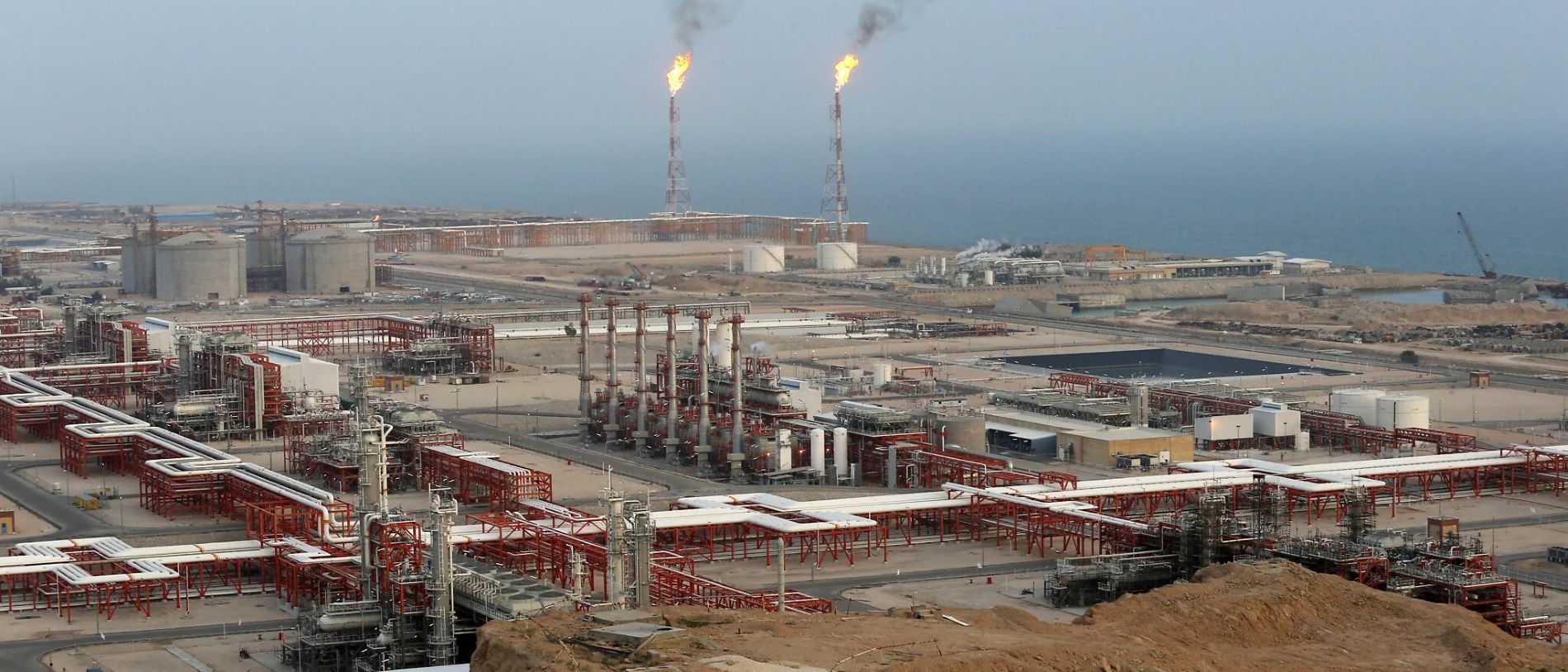
The South Pars/North Dome field, shared between Iran and Qatar, is the largest natural gas reserve in the world and a critical pillar of global energy supply. Any escalation involving the field could trigger severe disruptions in international gas markets and broader economic instability.
In remarks that signal a hardening stance, Trump indicated that while Israel is not expected to carry out further strikes on the facility, Washington would respond decisively if Iran targets Qatari infrastructure. The warning comes amid heightened fears of a wider regional conflict involving key Gulf states.
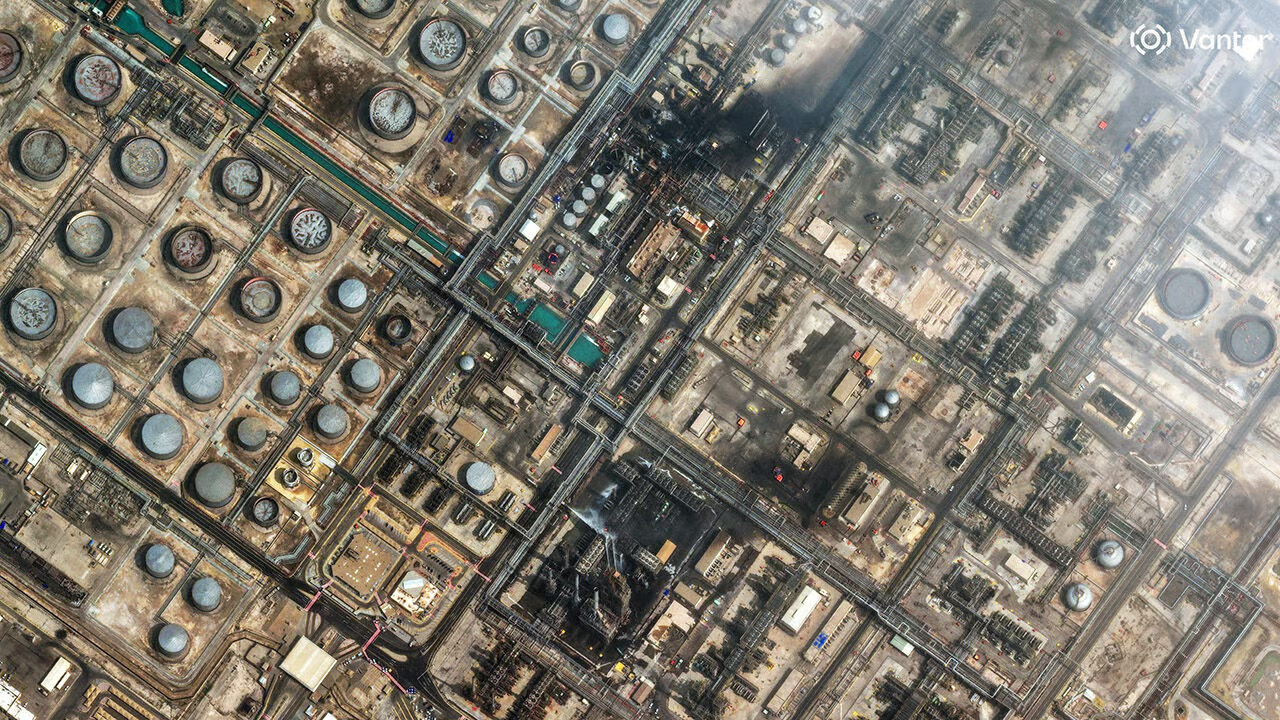
The threat follows reports of recent strikes affecting Iran’s energy assets, marking a dangerous escalation in the ongoing confrontation between Israel and Iranian-aligned forces. Analysts warn that targeting shared infrastructure such as South Pars risks drawing multiple nations into direct conflict.
Simultaneously, fighting has intensified along the Israel-Lebanon border, with Hezbollah and Israeli forces exchanging heavy fire in southern Lebanon. The clashes have raised concerns about the opening of a second major front, compounding an already volatile security environment.
Military sources report increased cross-border artillery exchanges and aerial strikes, with both sides signaling readiness for sustained engagement. Civilian populations in border communities continue to face displacement risks as hostilities escalate.
Energy experts caution that any damage to the South Pars field could have far-reaching consequences, given its role in liquefied natural gas (LNG) exports, particularly from Qatar, one of the world’s leading suppliers. A disruption could drive energy prices higher and strain supply chains already under pressure from geopolitical instability.
Diplomatic efforts to de-escalate tensions appear limited, with major powers closely monitoring developments. The situation underscores the fragile balance in the Gulf and the broader Middle East, where interconnected security, energy, and political interests make localized conflicts potentially global in impact.
As rhetoric intensifies and military activity expands across multiple fronts, the risk of miscalculation remains high. Observers note that threats targeting critical infrastructure mark a significant escalation threshold, one that could redefine the trajectory of the crisis in the coming days.