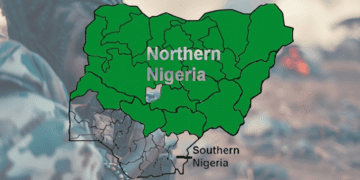









































































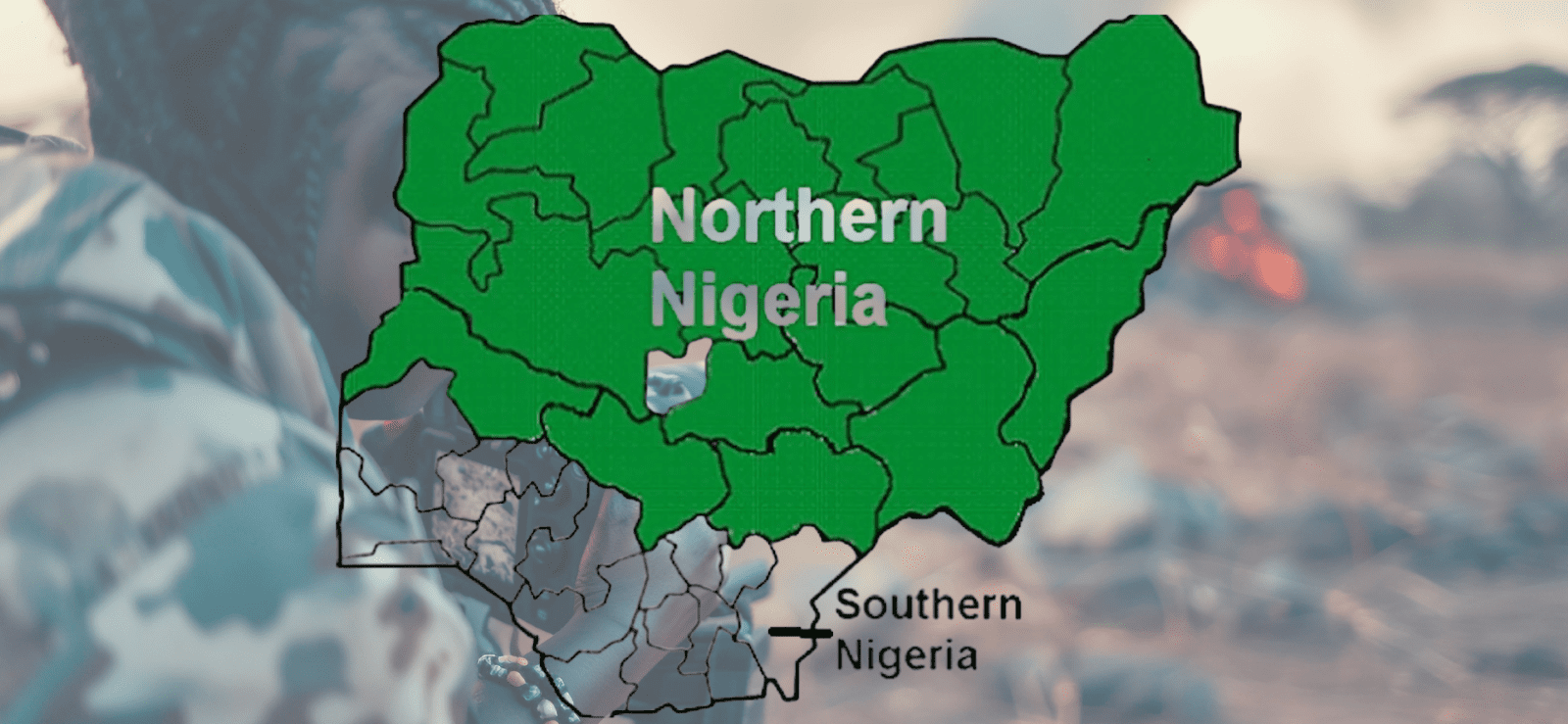
A coordinated series of attacks across three Nigerian states has turned the Easter holiday into a period of national mourning. According to military reports and local officials, at least 26 people were killed in separate assaults targeting civilians and security forces in Benue, Borno, and Kaduna states between Saturday and Sunday.
The “Safety Gap” in Nigeria’s rural and border regions remains a lethal reality, as the nation’s security forces struggle to contain a volatile mix of agrarian disputes, banditry, and Islamic State-affiliated insurgency.
The deadliest of the three incidents occurred on Saturday in the Mbalom community of Gwer West, Benue State. Armed men stormed the farming village, leaving at least 17 people dead.
While Governor Hyacinth Alia confirmed the tragedy on Sunday, he stopped short of providing an official death toll. Residents, however, have verified 17 fatalities.
The timing of the attack is particularly devastating. As the rainy season approaches, farmers are being driven from their lands by the long-running cycle of violence between herders and farming communities.
“How do people go to their farms now?” asked local a resident, highlighting a looming food security crisis that follows physical violence.
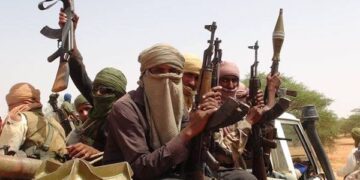
In the early hours of Saturday, the Borno State Police Headquarters became the target of a protracted gunfight with an Islamic State-affiliated group, leaving four police officers dead in the line of duty.
Borno Police PRO Kenneth Daso confirmed that while the officers held their ground, the level of sophistication in the insurgent attack underscores the persistent threat of terror groups in the region despite years of military intervention.
The violence reached its peak on Sunday during an Easter service in Ariko village, Kaduna State.
The Nigerian Army confirmed that troops responded to a distress call, forcing terrorists to abandon 31 hostages during their retreat.
Regrettably, five worshippers were found dead at the scene. The Army reported “significant casualties” among the fleeing terrorists, evidenced by blood trails along their escape routes.
This attack follows the January abduction of over 150 worshippers in the nearby Kurmin Wali village, signaling a targeted trend against religious gatherings in Southern Kaduna.
The recurring nature of these attacks has ignited a fierce international debate.
In a rare and controversial move, the U.S. government reportedly launched military strikes in Sokoto on 25 December 2025, allegedly targeting Islamic State cells.
While some U.S. lawmakers have characterized the violence as “Christian persecution,” the Nigerian government has rejected the label of “genocide.” They maintain that the crisis is a complex security failure driven by land disputes and criminal banditry rather than state-sponsored religious targeting.