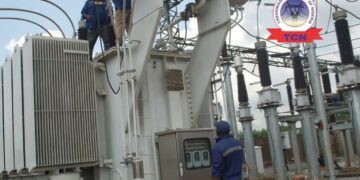












































































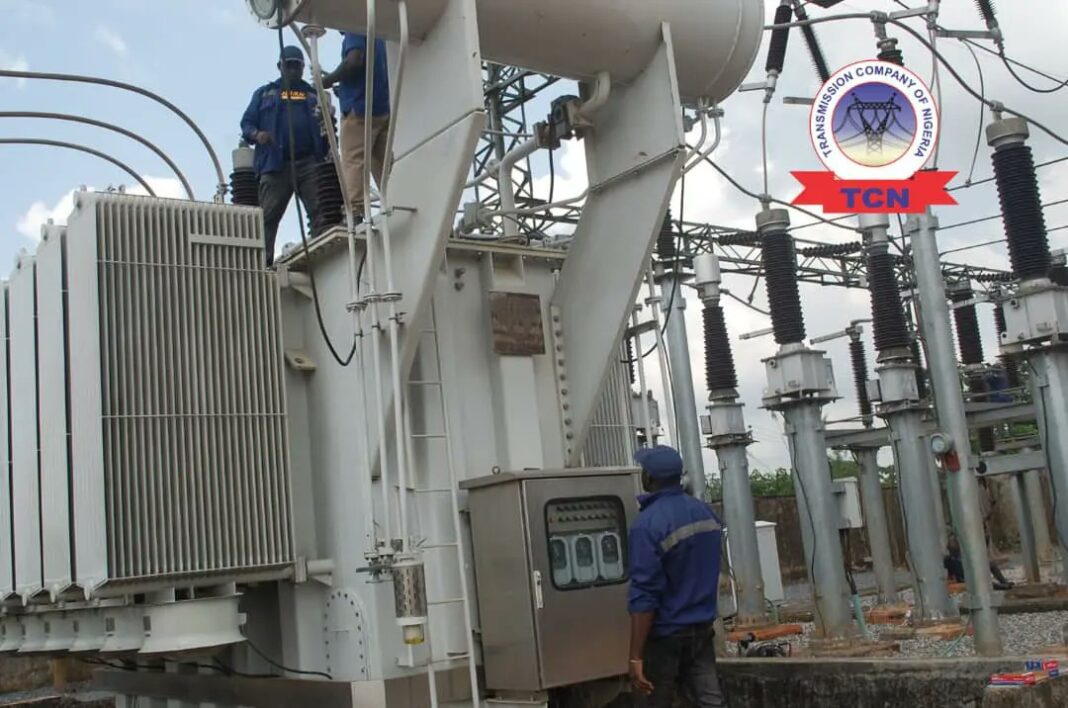
The Transmission Company of Nigeria (TCN) has expressed concern over persistent delays affecting the completion of the 624-megawatt Abuja power transmission project, warning that the setbacks are slowing efforts to improve electricity supply to the Federal Capital Territory and surrounding states.
According to the company, the project, designed to significantly strengthen power evacuation and distribution capacity in Abuja, has been hampered by a combination of right-of-way challenges, delayed contractor timelines, and logistical constraints. TCN officials say these issues have pushed back key milestones, despite the strategic importance of the infrastructure to national power stability.
The 624MW transmission scheme is intended to relieve pressure on existing substations, reduce load shedding, and support the integration of additional generation capacity into the national grid. Once completed, it is expected to improve supply reliability for residential, commercial, and industrial consumers across Abuja and parts of the North-Central region.
TCN noted that prolonged delays not only increase project costs but also undermine broader government efforts to reform the power sector and stimulate economic activity. The company warned that without timely resolution of the bottlenecks, the benefits of recent investments in power generation could remain unrealized due to weak transmission capacity.
Industry analysts say the situation reflects a recurring challenge in Nigeria’s electricity value chain, where transmission infrastructure often lags behind generation expansion. They argue that addressing land acquisition disputes, improving inter-agency coordination, and enforcing stricter project timelines are critical to preventing similar delays in future projects.
While reaffirming its commitment to completing the Abuja transmission project, TCN called on relevant stakeholders—including host communities, contractors, and government agencies, to cooperate more closely to fast-track implementation. The company maintained that accelerating the project remains vital to improving power supply, supporting business growth, and meeting rising electricity demand in the nation’s capital.
As Nigeria continues to pursue power sector reforms, the outcome of the Abuja 624MW transmission project is being closely watched as a test of the country’s ability to translate infrastructure plans into tangible improvements for electricity consumers.