











































































A “perfect storm” of political resistance and a deepening revenue crisis is threatening to derail Nigeria’s 2026 Fiscal Plan, as the Federal Government admits to a massive shortfall in current revenue targets.
While the executive pushes for a “fundamental reset” through new tax laws set to take effect on 01 January 2026, lawmakers and regional leaders are raising alarms over persistent borrowing and the socio-economic impact of the reforms.
The credibility of the 2026 budget projections has been called into question following startling admissions by the Federal Government regarding its 2025 performance.
The FG revealed it realized only ₦10 trillion out of a targeted ₦40 trillion revenue for the 2025 fiscal year. Despite the 2025 gap, the 2026 Medium-Term Expenditure Framework (MTEF) proposes a ₦54.5 trillion ($37.7bn) budget, with a projected deficit of ₦20.1 trillion (3.61% of GDP).
Debt servicing is forecast to consume ₦15.9 trillion in 2026, nearly half of all expected federal revenue, leading economists to warn of a potential “debt trap” where the government borrows primarily to service existing loans.
President Tinubu’s four landmark tax bills, signed in June 2025, are facing a coordinated pushback just weeks before their scheduled implementation.
Northern governors and leaders continue to oppose the new VAT distribution model, fearing it will favor industrialized states like Lagos and Rivers at the expense of the North.
A new coalition has called for the immediate suspension of the laws, labeling them an “assault on livelihoods.” They specifically criticize the requirement for all adults to file tax returns by March 31, 2026, regardless of employment status.
The Peoples Redemption Party (PRP) and other critics have condemned a recent MoU between the FIRS and France’s tax authority (DGFiP) for digital transformation, calling it a “neo-colonialist” move that compromises Nigeria’s data sovereignty.
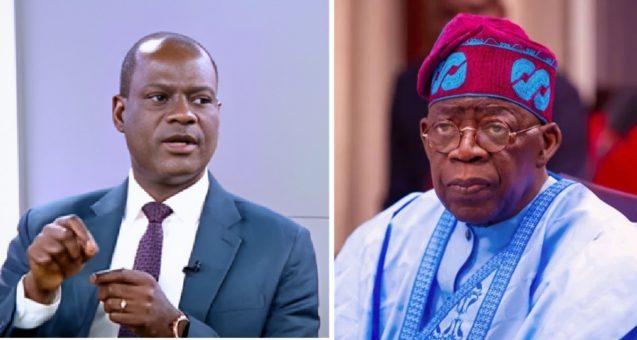
In a bid to calm the waters, Taiwo Oyedele, Chairman of the Presidential Fiscal Policy and Tax Reforms Committee, has been highlighting the benefits for the private sector.
Under the new laws, businesses will be eligible to claim an estimated ₦3.4 trillion in input VAT credits. This allows companies to recover VAT paid on assets, inventory, and overheads, money that was previously “lost” as a business cost.
Oyedele emphasized that food, education, and healthcare will be zero-rated (0% VAT), allowing producers in these sectors to reclaim their costs and potentially lower prices for consumers.
2026 Budget Assumptions at a Glance
| Benchmark | 2026 Target |
| Oil Price | $64.85 per barrel |
| Oil Production | 1.84 million bpd |
| Exchange Rate | ₦1,512 / $1 |
| GDP Growth | 4.68% |