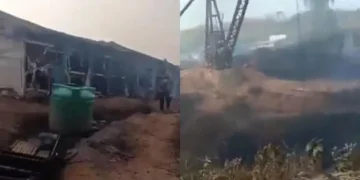









































































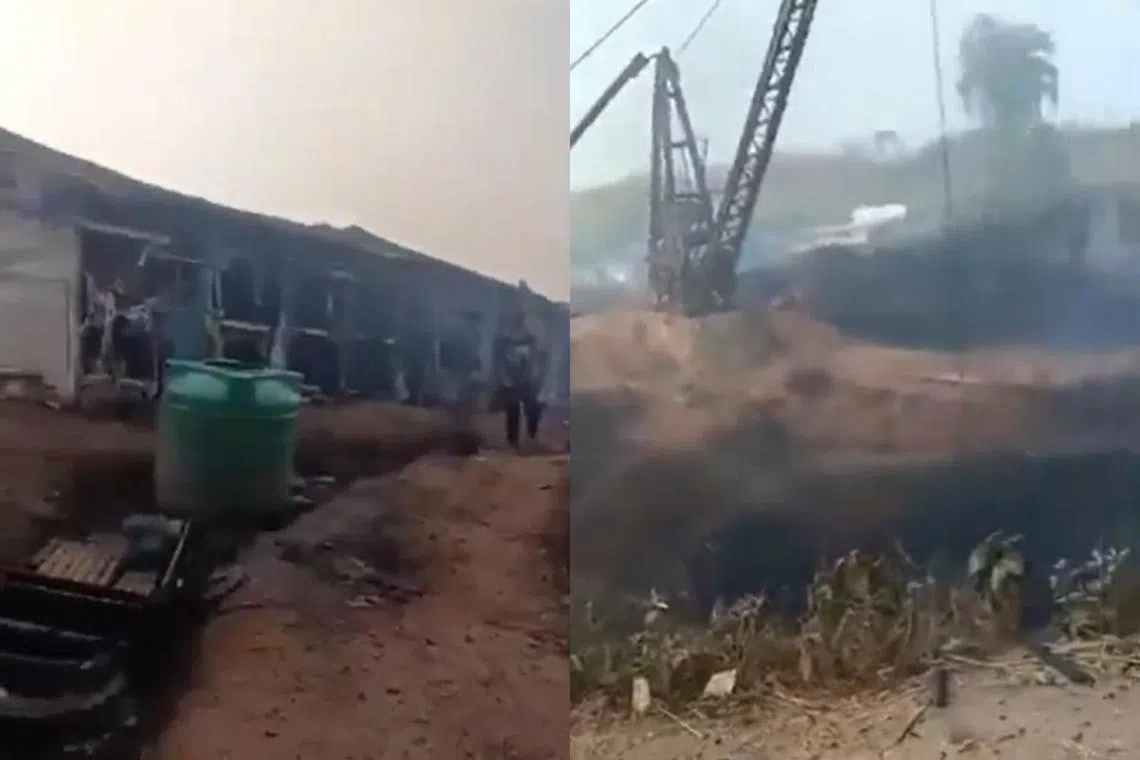
At least 16 people were killed, and several others were feared trapped after an explosion at an illegal coal mine in India’s northeastern state of Meghalaya on Thursday, local officials said, highlighting the continued risks posed by banned mining practices in the region.
The blast occurred around 10:00 a.m. local time (0430 GMT) at a so-called “rat-hole” mine in East Jaintia Hills district, according to the district’s deputy commissioner, Manish Kumar. Rat-hole mines are narrow tunnels dug by hand, just wide enough for workers to crawl through, and are widely regarded as dangerous.
Eight people were injured in the explosion, Kumar said. Rescue operations were launched, but efforts to reach those trapped were suspended due to a lack of specialized equipment and the mine’s remote location.
“The terrain is extremely difficult. It takes several hours of off-road travel for state and federal rescue teams to reach the site,” Kumar said, adding that search and rescue operations would resume once reinforcements arrived.
Rat-hole mining was banned by India’s top court in 2014 because of repeated fatal accidents and severe environmental damage, but the practice has persisted in parts of northeastern India, driven by poverty, weak enforcement and demand for coal.
Meghalaya Chief Minister Conrad Sangma said the state government had ordered a comprehensive investigation into the incident.
“Accountability will be fixed, and those responsible will face strict legal action,” Sangma said in a post on X.
According to federal government estimates, at least 63 people have died in illegal rat-hole mining incidents in the northeastern states of Assam and Meghalaya since 2012, despite the ban.