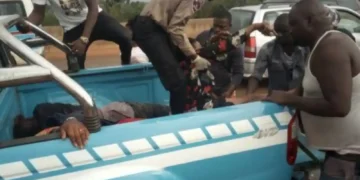
















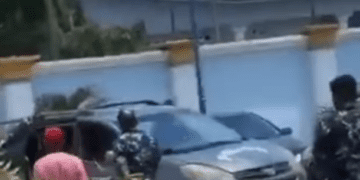















































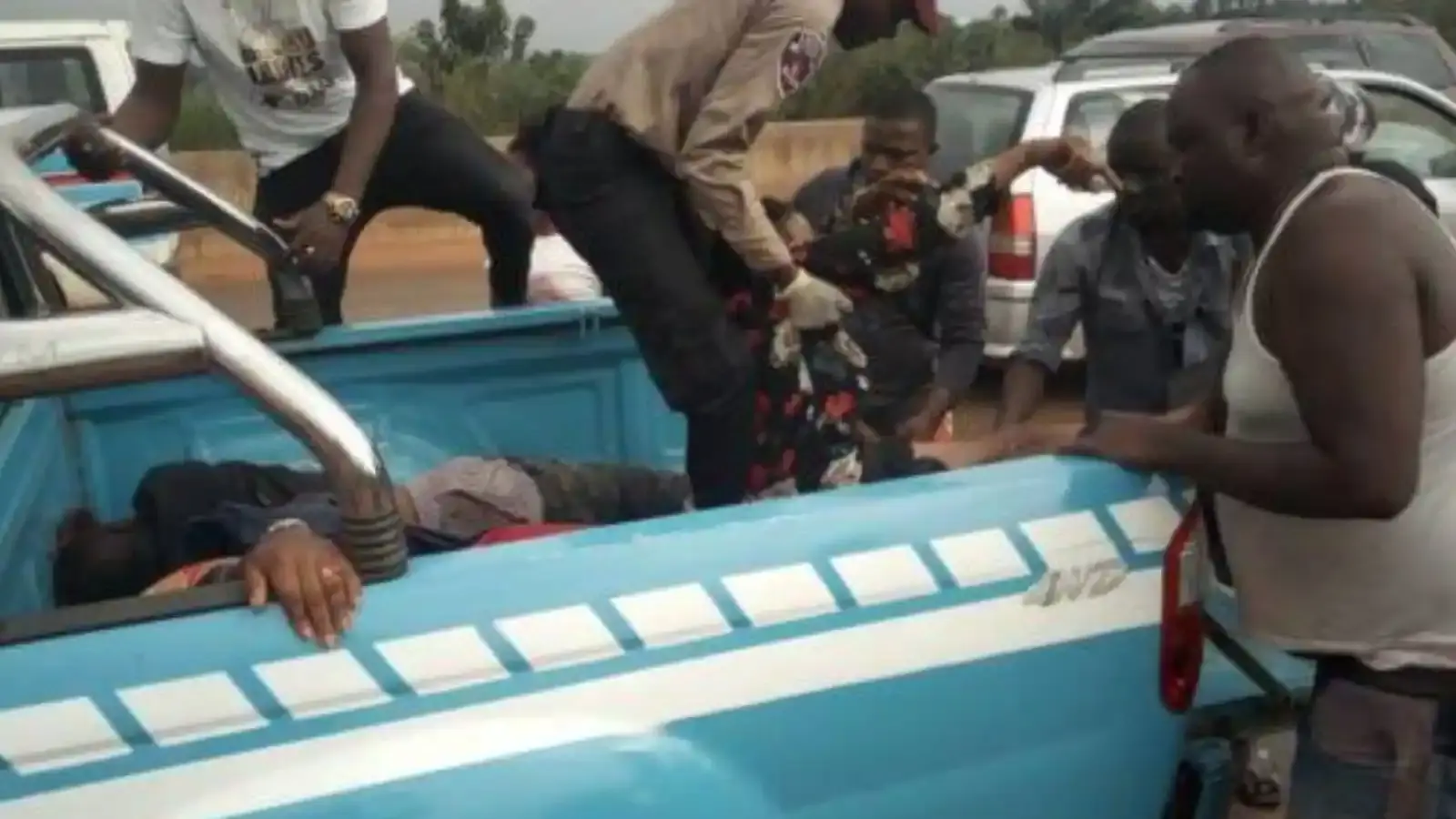
A fatal road accident has claimed the lives of six people and left 13 others severely injured on the dangerous Lokoja-Okene highway. The tragedy is compounded by the fact that the victims were passengers returning from the official commemoration of the 2025 International Day of Persons with Disabilities held in Lokoja.
The devastating crash, which occurred late yesterday, has thrown the state into mourning, with the Governor ordering immediate full coverage of the medical bills for all survivors.
Details released by the Kogi State Government and eyewitnesses confirmed the grim circumstances in the crash that occurred along the notorious Lokoja–Okene highway, a major artery known for high-speed traffic and frequent fatal accidents.
The bus involved was transporting participants who had attended the International Day of Persons with Disabilities event in the state capital earlier in the day.
Six passengers died instantly at the scene. Thirteen others sustained varying degrees of injuries, including fractures and deep cuts, and were immediately rushed to different hospitals for emergency treatment.
While the Federal Road Safety Corps (FRSC) is yet to release a detailed investigation report, initial reports suggest the bus was likely a commercial vehicle and the crash was due to a loss of control, a recurring factor on this route.
The Kogi State Government has officially responded to the tragedy, expressing deep sorrow and taking immediate action.
Commissioner for Information and Communications, Kingsley Fanwo, described the incident as “devastating” and one that has brought “deep sorrow” to the people of the state.
Governor Ahmed Usman Ododo has directed the State Ministry of Health to ensure that the medical bills of all injured victims are fully covered by the government, and officials have been deployed to the hospitals to monitor their care and support the bereaved families.
This tragedy casts a dark shadow over the efforts to recognize and support persons with disabilities in the state. It underscores the perpetual danger posed by Nigeria’s major highways:
The Lokoja–Okene axis remains one of the country’s most hazardous roads, repeatedly featuring in FRSC fatality reports. The frequent crashes highlight the urgent need for structural improvements, better signage, and stricter speed enforcement.
The fact that the victims were participants in a disability event adds a layer of vulnerability to the incident, prompting questions about the safety measures provided for their transport.
The focus must now shift to ensuring the injured survivors receive top-tier care and implementing immediate, tangible safety measures to curb the continuous carnage on this vital corridor.