

























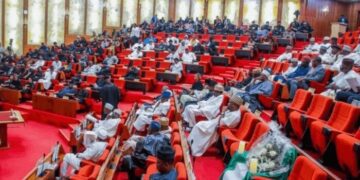





































Nigeria’s Senate has set 17 March as the target date to pass the ₦58 trillion 2026 Appropriation Bill, signalling an accelerated legislative timetable aimed at ensuring early implementation of the federal government’s spending plan.
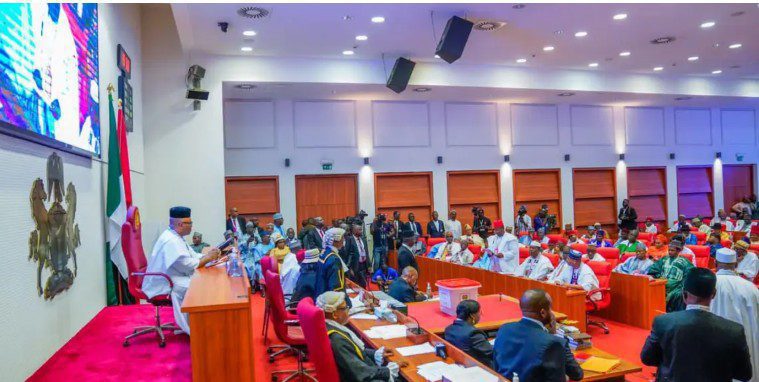
Senate leadership disclosed the timeline following a closed-door meeting with principal officers and chairmen of key committees, where lawmakers reviewed progress on the budget defense sessions currently underway across ministries, departments, and agencies (MDAs).
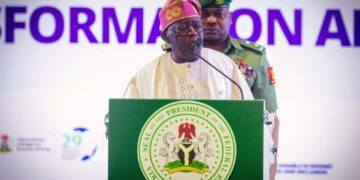
The proposed 2026 budget, presented to the National Assembly by President Bola Tinubu, outlines government priorities including infrastructure development, security, social welfare, education, healthcare, and economic reforms. It is anchored on revenue projections driven by oil sales, tax reforms, and improved remittances from government-owned enterprises.
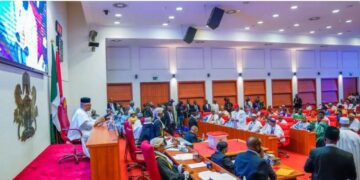
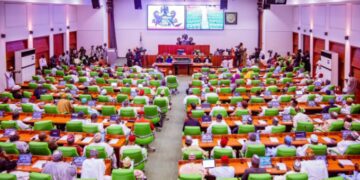
Speaking on the floor of the Senate, the Chairman of the Senate Committee on Appropriations said lawmakers were committed to completing scrutiny of the estimates within the shortest possible time, noting that early passage would allow the executive to return to a January–December budget cycle.
“Our goal is to conclude work on the budget and pass it by March 17,” he said. “This will give the executive ample time for implementation and improve fiscal discipline.”
Key Focus Areas
Senators said attention is being paid to:
- Revenue realism, amid concerns over past budget shortfalls
- Debt servicing and deficit financing, given rising public debt
- Capital expenditure, especially for roads, power, and security
- Social spending, including wages and targeted interventions
Several lawmakers stressed the need to align spending with Nigeria’s current economic realities, warning against inflated projections that could undermine implementation.
Budget Defenses Ongoing
Committees are currently engaging MDAs to justify their allocations, with some agencies already facing reductions over poor budget performance in previous years. Lawmakers have also vowed to ensure strict oversight once the budget is passed.
If the March 17 deadline is met, the budget will be transmitted to the House of Representatives for concurrence before being forwarded to the president for assent.
Fiscal policy experts say timely passage could help stabilize planning for both government agencies and the private sector, though they caution that execution, not speed, will ultimately determine the budget’s impact.
As Nigeria grapples with inflation, currency pressures, and security challenges, the 2026 budget is being closely watched as a key test of the government’s economic reform agenda and capacity to translate policy into measurable outcomes.