















































































Nigeria’s Senate on Wednesday rejected a proposal that would have made the electronic transmission of election results compulsory, opting instead to retain the existing, more flexible provisions of the Electoral Act.
The decision came during consideration of amendments to the Electoral Amendment Bill, where lawmakers voted down a proposed change to Clause 60, Subsection 3, according to reports by Channels Television.
Had it been approved, the amendment would have required presiding officers of the Independent National Electoral Commission (INEC) to upload polling unit results electronically to the INEC Result Viewing Portal (IREV) in real time, immediately after completing Form EC8A. The form is typically signed and stamped by the presiding officer and countersigned by party agents at the polling unit.
Instead, the Senate chose to maintain the wording of the current law, which states that “the presiding officer shall transfer the results, including the total number of accredited voters and the results of the ballot, in a manner as prescribed by the Commission.”
By rejecting the amendment, lawmakers left INEC with discretion over how and when election results are transmitted, rather than binding the commission to mandatory electronic upload from polling units.
Supporters of electronic transmission have argued that compulsory real-time uploads would reduce manipulation, enhance transparency, and strengthen public confidence in elections. Critics within the legislature, however, have raised concerns in the past about infrastructure gaps, network coverage, and operational challenges, particularly in rural areas.
The Senate’s decision is likely to reignite debate among political parties, civil society groups, and election observers who have long pushed for technology-driven reforms to Nigeria’s electoral process.
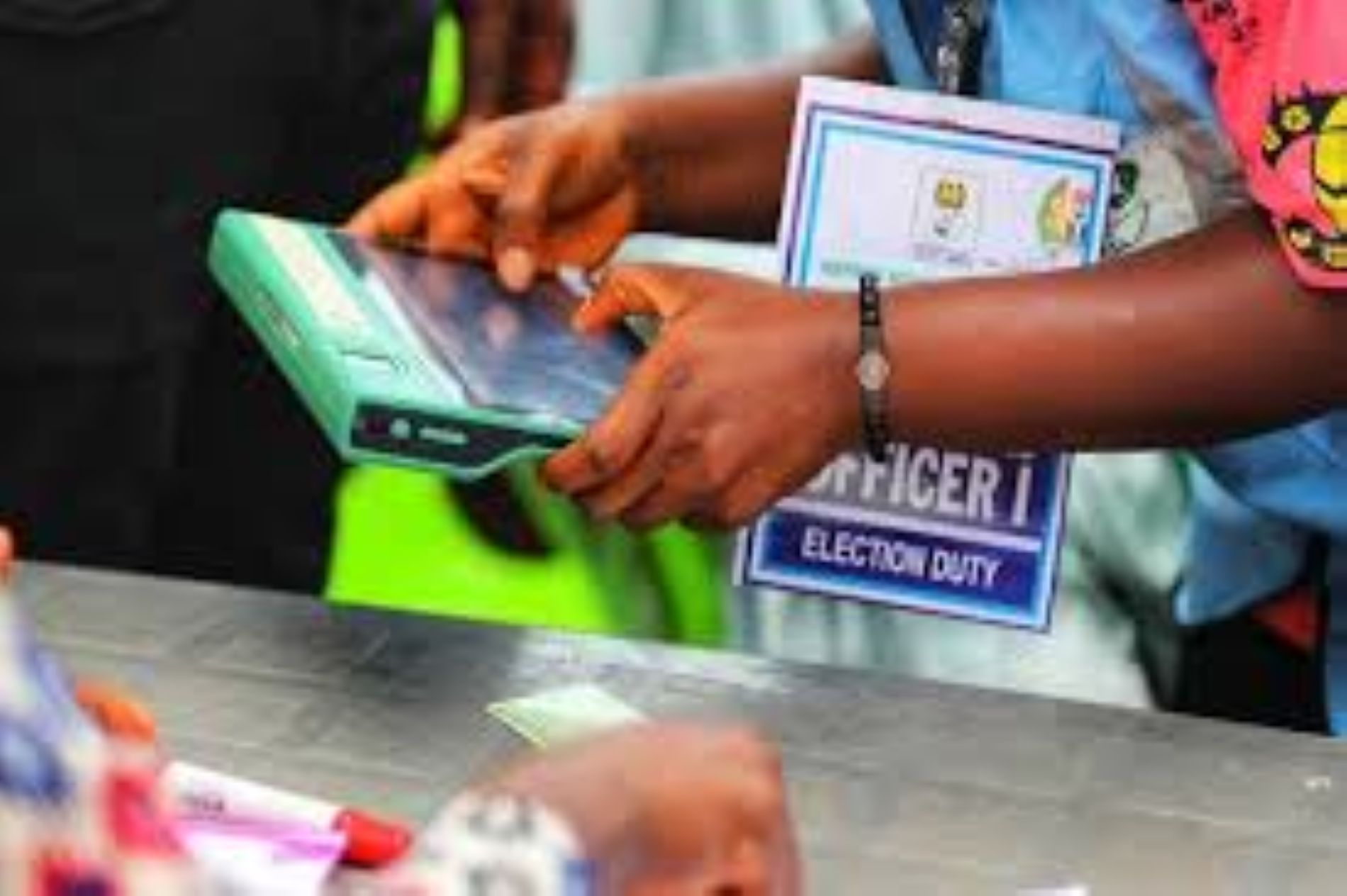
While INEC has increasingly relied on technology, including the Bimodal Voter Accreditation System (BVAS) and the IREV portal, the absence of a legal mandate for electronic transmission has remained a contentious issue in post-election disputes.
Further deliberations on other provisions of the Electoral Amendment Bill are expected to continue, with more details anticipated as the legislative process unfolds.