




















































The House of Representatives Ad hoc Committee investigating Nigeria’s power sector reforms and expenditure from 2007 to 2024 has opened a major oversight probe, demanding immediate clarification from the AZURA-Edo Independent Power Plant over its failure to account for over ₦18 billion received from the Nigerian Bulk Electricity Trading Plc (NBET) in 2023.
The move marks a significant legislative intervention into the often-controversial financial dealings within Nigeria’s power sector, particularly concerning foreign-backed private power projects.
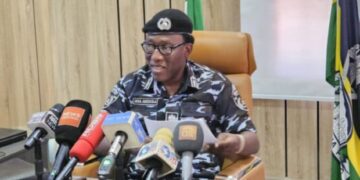
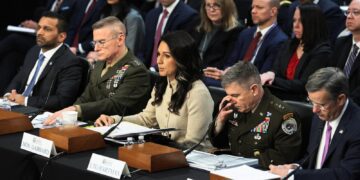
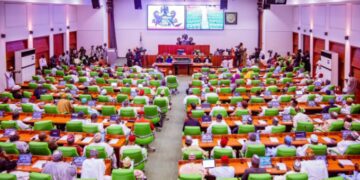
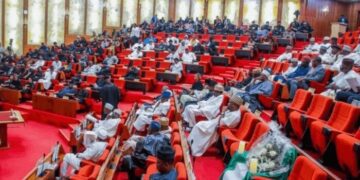
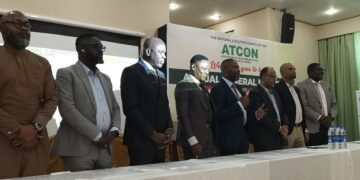
The Committee Chairman, Rep. Ibrahim Aliyu, issued the query during the resumed investigative hearing at the National Assembly Complex in Abuja on Monday.
Official records presented to the Committee showed that the Azura-Edo Power Plant received over ₦18 billion between January and June 2023 as excess tariff payments and other financial settlements from NBET.
The Committee Chairman noted that these substantial financial inflows were not disclosed in the written submission Azura-Edo provided to the legislative panel.
The Chairman stressed that the Committee’s mandate extends beyond technical performance data and covers all financial obligations of the Federal Government to private operators, including funds routed through NBET, Central Bank intervention programmes, and statutory appropriations.
In response to the query, Akeem Olabende, Azura’s Head of Legal and Compliance, admitted that the company’s initial submission was incomplete and failed to include documentation relating to the NBET payments.
Olabende attributed the omission to a “misunderstanding” of the Committee’s documentation requirements, stating that Azura had primarily focused on operational data like generation and dispatch figures.
“We did not fully understand the documentation that the committee required,” Olabende said. “Now that I have a clearer understanding, we will go back and ensure that all the financial documents and additional details the committee has requested are provided.”
The Committee members, however, issued a stern warning, reminding Azura of its constitutional obligations and warning that continued failure to provide full disclosures could compel them to exercise their legislative powers to enforce compliance.
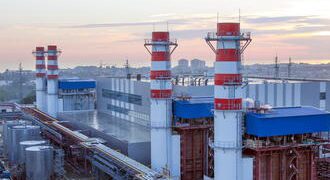
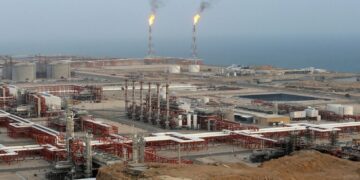
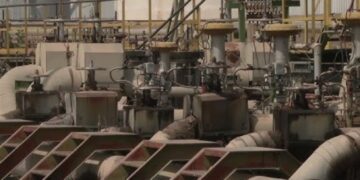
The Azura-Edo Power Plant, a 461MW gas turbine facility commissioned in 2018, has long been a source of controversy due to its “Take-or-Pay” Power Purchase Agreement (PPA).
This agreement obligates NBET (and, by extension, the Federal Government, which guarantees the contract) to make regular payments covering capacity charges and energy charges, regardless of whether the national grid can fully absorb the electricity generated. Since the national grid often struggles with capacity, these non-dispatched capacity charges form a substantial portion of the government’s financial liability to the company.
The current probe is scrutinizing how the excess funds, including the N18 billion from tariff reconciliations and financial settlements, were received and utilized by the private operator.