


















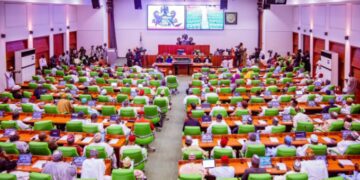



































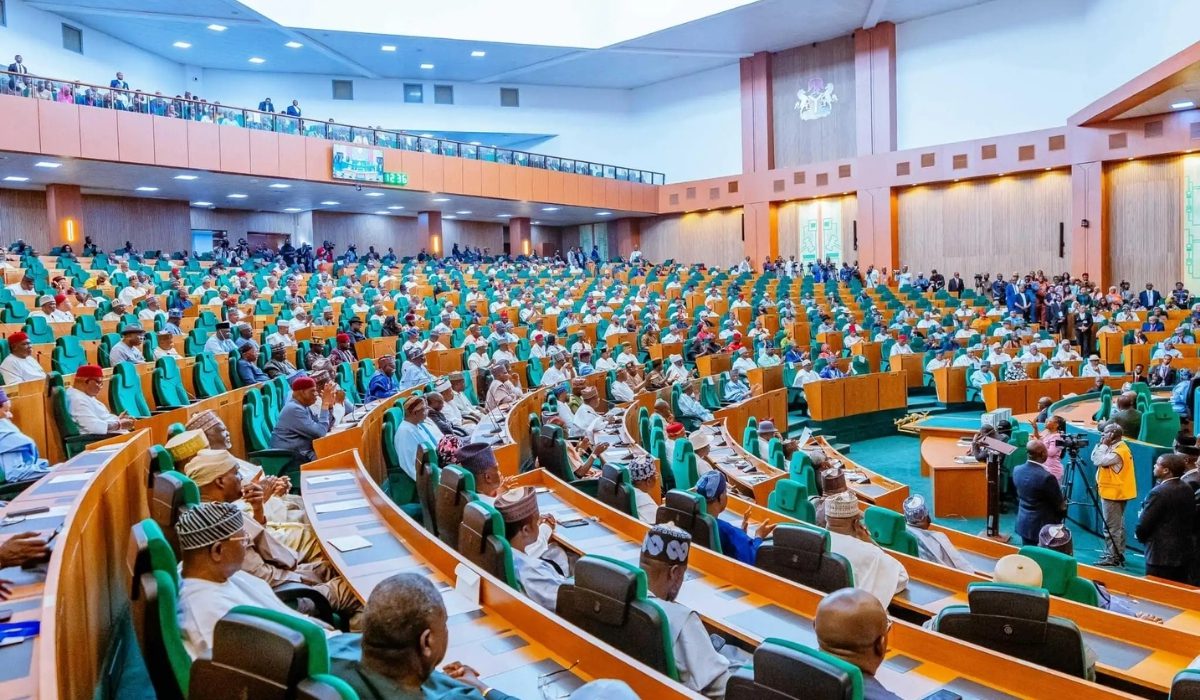
The House of Representatives Ad-hoc Committee Investigating Nigeria’s Power Sector Reforms and Expenditure (2007–2024) has levelled a fresh and severe accusation against Electricity Distribution Companies (DisCos), claiming they have been actively “crippling” the nation’s power system through willful poor investment and a refusal to expand infrastructure.
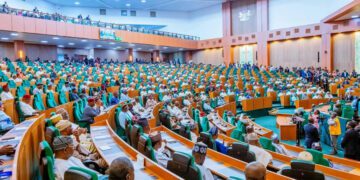
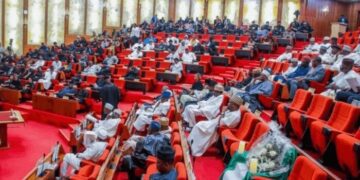
The accusation was made today, Thursday, December 4, 2025, during a resumed investigative hearing at the National Assembly, reigniting the contentious debate over the success of the 2013 privatization.
The Chairman of the Ad-hoc Committee, Hon. Ibrahim Almustapha Aliyu, led the charge against the distribution companies, using data on grid capacity to support his claims.
Aliyu expressed shock that despite the Transmission Company of Nigeria (TCN) having the capacity to wheel up to 8,000 megawatts (MW), DisCos consistently refuse to take more than 4,000 MW due to their dilapidated and inadequate infrastructure.
The Chairman stated that most DisCos misled the government during the privatization process by presenting strong business plans but then failing to deliver the promised infrastructure upgrades more than a decade later.
The committee argued that the DisCos’ refusal to invest, expand, or adopt franchising options has directly worsened challenges like, energy theft and meter bypassing, growing consumer dissatisfaction, and a system where many Nigerians pay for electricity that is either insufficient or not supplied at all.
Aliyu sharply reminded the DisCos that Nigerians had expected improved service after privatization, noting that some areas even enjoyed better electricity under the former NEPA-era system.
In their defense, representatives of the distribution companies countered the accusations by pointing to the government’s continued subsidy regime as the primary obstacle to investment.
The Chief Regulatory and Compliance Officer of Kaduna Electricity, Dr. Mahmood Abubakar, claimed that about 60 per cent of the electricity supplied nationwide is subsidized.
Abubakar argued that with only 40 per cent of electricity consumption being cost-reflective, DisCos cannot recover their full revenue requirements. This situation “undermines investor confidence” and makes it virtually impossible for them to attract the required long-term financing and secure loans needed to upgrade distribution networks.
The Ad-hoc Committee, which is currently probing all power sector expenditure from 2007 to 2024, is expected to continue grilling DisCo executives and other power sector stakeholders in the coming days as part of its mandated oversight function.