
















































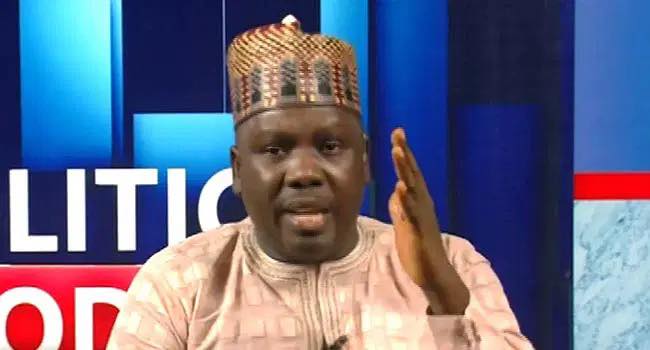
The Federal Government has promised a breakthrough in the fight against insecurity, with a high-ranking presidential aide announcing that the identities of individuals and entities actively funding terrorism in Nigeria will be exposed “in the coming days.”
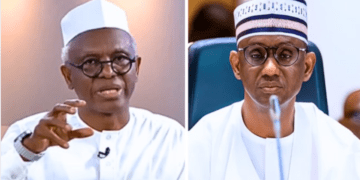
Mr Daniel Bwala, the Special Adviser to the President on Policy Communication, disclosed this during a weekend interview, describing the move as a “decisive intervention” designed to finally dismantle the financial backbone sustaining groups like Boko Haram, ISWAP, and numerous bandit gangs across the North.
Bwala stated that the combined efforts of Nigeria’s security and financial intelligence agencies, notably the National Financial Intelligence Unit (NFIU) and the National Counter Terrorism Centre (NCTC), have reached a critical juncture. The promise of public exposure suggests that the ongoing investigations into illicit financial flows, which include the use of informal money transfer systems (Hawala), trade-based money laundering, and even the exploitation of commodity markets, have yielded actionable intelligence.
“We have long known that the foot soldiers are merely symptoms; the sponsors are the disease,” Bwala stated. “The government is committed to absolute transparency and will, in the coming days, shed light on the identities of those involved in sponsoring and financing these destructive activities.”
This announcement aligns with recent strategic shifts by the government, including the launch of the NCTC Strategic Plan (2025–2030) , which prioritizes enhancing intelligence analysis and strengthening legal support for prosecuting terrorism financing. Nigeria is currently working to meet international standards set by the Financial Action Task Force (FATF) to exit its grey-list status, a process heavily reliant on successful prosecution and disruption of terror funding networks.
The promise to publicly name terror financiers is a calculated high-stakes move with profound implications, but it carries a severe risk of backfire.
Successfully naming, arresting, and prosecuting high-profile individuals, be they politicians, business moguls, or foreign entities, would be the most powerful statement yet of the Tinubu administration’s resolve. It would cut the cash flow, directly freezing the financial lifelines of terror groups; restore public trust in providing concrete proof that the government is tackling the systemic corruption that enables insecurity, rather than just the visible symptoms as well as offers deterrence, creating an intense chilling effect, forcing potential sponsors to immediately cease their activities due to fear of public shaming and severe legal penalties.
However, this public commitment places immense pressure on the intelligence community and the judiciary. TheLink News posits, if the Federal Government names individuals without following up swiftly with irrefutable evidence and successful prosecutions, the entire effort could be fatally undermined due to legal backlash with named individuals launching damaging lawsuits for defamation and wrongful accusation, eroding the credibility of the intelligence agencies. Political weaponization could also factor in because there is a high risk that the process could be seen as being politicized, used to settle scores rather than pursue justice, which would compromise the integrity of the anti-graft war.
For this intervention to be “decisive,” the public naming must be accompanied immediately by arrests, asset freezing, and a fast-track legal process under the Terrorism (Prevention and Prohibition) Act of 2022. Anything less will be perceived as political rhetoric and could deepen public cynicism, turning this promised breakthrough into a spectacular failure.