





























































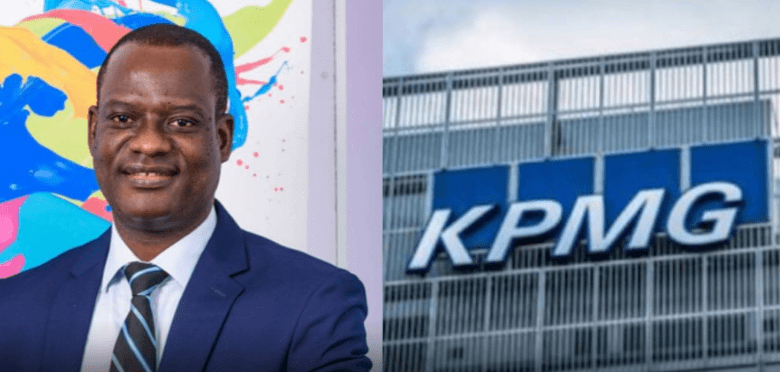
The Presidency has issued a stern rebuttal to a recent report by KPMG Nigeria, which raised concerns regarding the potential adverse effects of the newly enacted Nigeria Tax Bill 2025. In a detailed statement released on Saturday, 10 January, the Special Adviser to the President on Revenue, Mr Zacch Adedeji, defended the administration’s fiscal policies, describing them as “necessary surgery” for a long-ailing economy.
In its latest fiscal outlook, KPMG, one of the “Big Four” global accounting firms, cautioned that the recent tax reforms might inadvertently stifle the growth of Small and Medium Enterprises (SMEs) and increase the cost of living for vulnerable Nigerians. The report specifically highlighted the 2% development levy concerns over the impact on corporate profit margins; the potential inflationary pressure of moving toward a 10% Value Added Tax (VAT) rate by 2026; and the complexity of transitioning to the new unified tax code.
The Presidency dismissed KPMG’s findings as “speculative and narrow,” arguing that the firm’s analysis failed to account for the broader macroeconomic stability the laws are designed to create.
“We are not raising taxes to punish citizens; we are consolidating them to eliminate the ‘tax jungle’ that has frustrated investors for decades,” Adedeji stated.
The government’s rebuttal focused on four key pillars of the reform: the elimination of multiple taxation with the new law collapsing over 60 different federal and state levies into just eight single heads, significantly improving the ‘ease of doing business’; the protection for low-income earners, as the presidency clarified that individuals earning below the national minimum wage remain exempt from personal income tax, a detail it claims KPMG overlooked; the corporate tax reduction noting that while certain levies were introduced, the overall effective Corporate Income Tax (CIT) for small businesses has been reduced from 30% to 20% to encourage formalization.; and revenue for infrastructure maintaining that the ₦17.5 trillion revenue target for 2026 cannot be met without these structural adjustments, which are earmarked for the Lagos-Calabar coastal highway and other critical infrastructure.
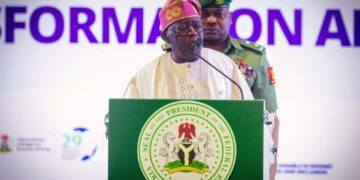
The Presidency also challenged KPMG to provide “empirical evidence” that simplified tax codes lead to business closures, citing successful similar models in emerging markets like India and Rwanda. The statement concluded by reaffirming President Bola Tinubu’s commitment to a “tax-friendly but revenue-driven” economy, insisting that the short-term friction of the reforms would yield long-term prosperity.
Despite the friction between the government and the consulting firm, the Nigerian Exchange (NGX) remained stable on Friday, with investors reportedly waiting for the first quarter (Q1 2026) implementation guidelines from the Federal Inland Revenue Service (FIRS).