







































































Airline pilots flying through the Middle East are facing growing safety risks as escalating military conflict sends missiles and attack drones into some of the world’s busiest air corridors.
The ongoing war involving Iran, Israel and the United States has dramatically increased pressure on aviation crews navigating the region’s airspace, which is already among the most heavily trafficked in the world.
Since hostilities intensified, hundreds of ballistic missiles and armed drones have been launched across parts of the Middle East, raising the risk of accidental encounters with civilian aircraft.
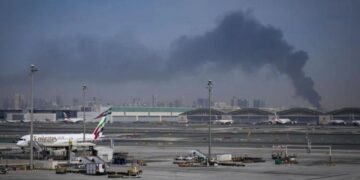
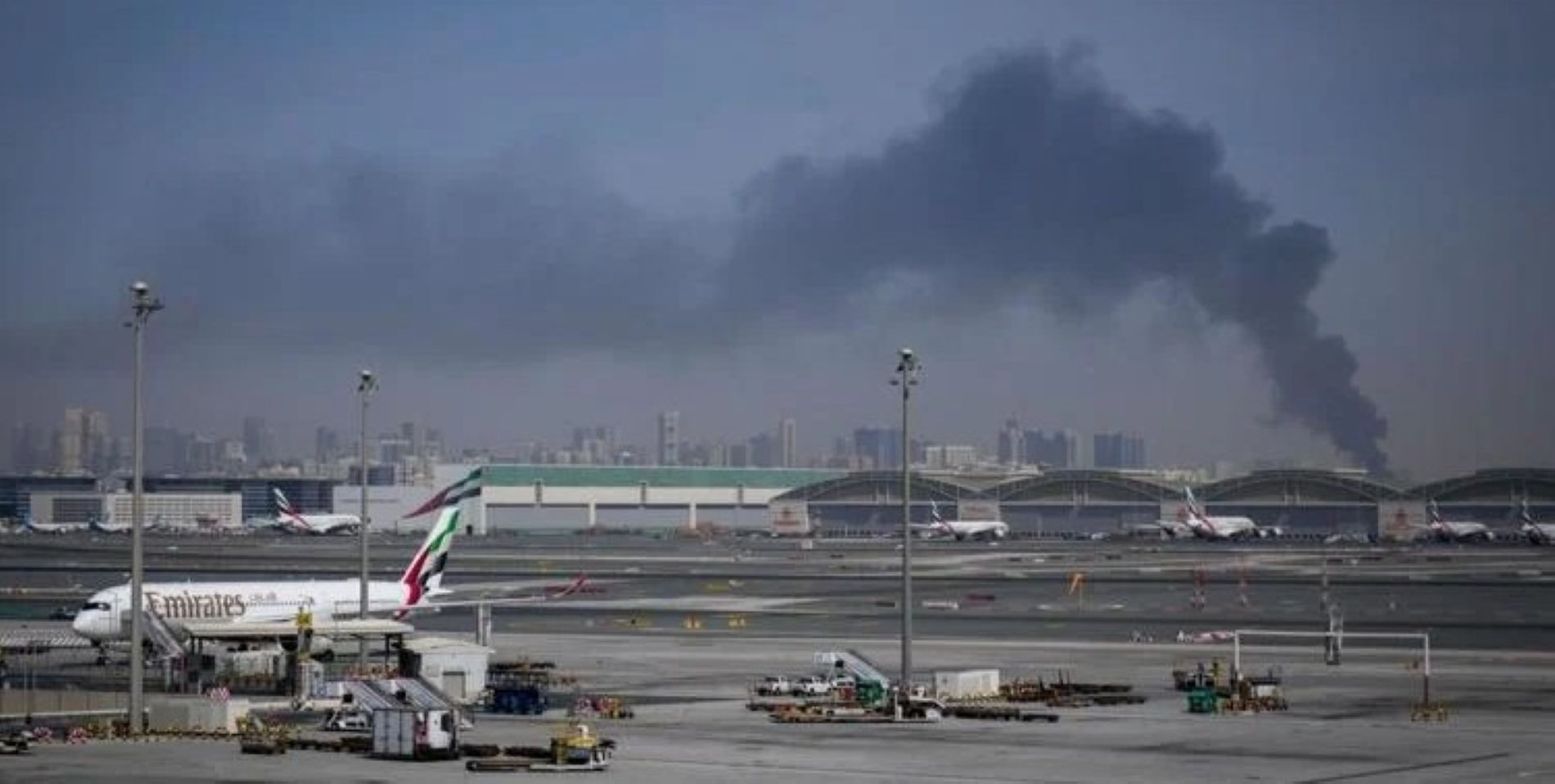
Iran’s retaliation against the U.S. and its allies has included strikes that reached major aviation hubs, forcing the closure of airports and grounding numerous commercial flights.
Key airports in cities such as Dubai and Abu Dhabi experienced disruptions as aviation authorities scrambled to reroute aircraft and temporarily shut sections of airspace to avoid danger.
Airline pilots have increasingly had to contend with complex flight paths squeezed between restricted military zones and conflict areas.
Experts say the situation has created one of the most challenging operating environments for civil aviation in recent years.
The region already faces periodic airspace closures due to political tensions, but the current conflict has dramatically increased the number of hazards in the sky, including unmanned aerial vehicles, missile interceptions and rapidly changing military activity.
Aviation safety analysts warn that these conditions significantly increase cockpit workload and psychological stress for pilots responsible for passenger safety.
The disruption has forced airlines to cancel or reroute hundreds of flights across the Middle East and beyond.
Airspace closures and security alerts have affected major transit hubs linking Europe, Africa and Asia, creating knock-on effects across global airline networks.
Some emergency and rescue flights have managed to reach airports in the region to evacuate stranded passengers, though operations remain limited.
Aviation regulators and airlines are closely monitoring the evolving security situation as the conflict continues.
Industry experts say airlines may increasingly avoid certain corridors altogether if missile and drone threats persist, potentially adding hours to long-haul routes and increasing operational costs.
For pilots flying through the region, however, the stakes remain immediate, balancing passenger safety against the complex realities of operating aircraft in a rapidly shifting conflict zone.