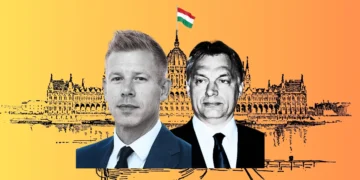






































































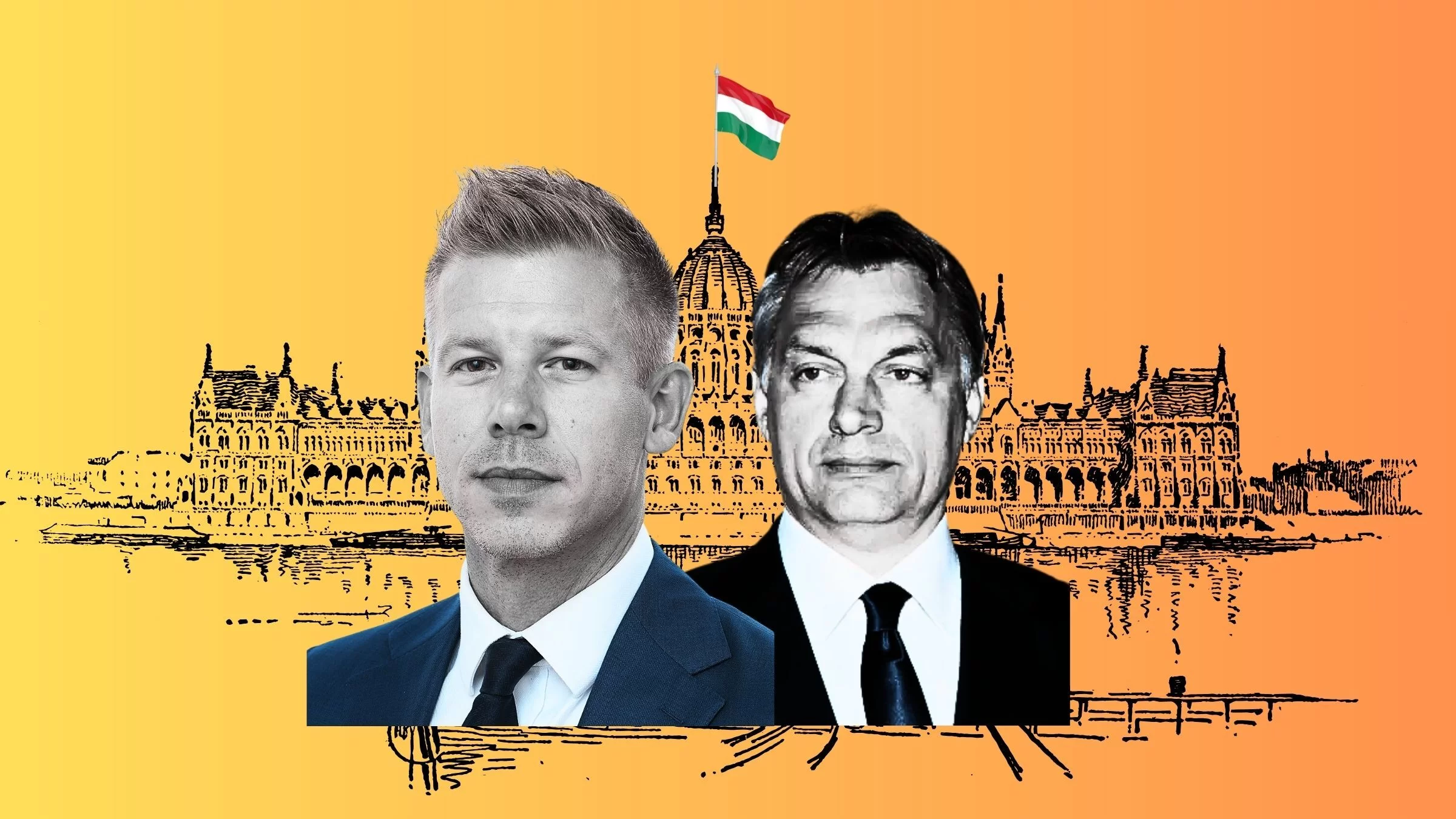
Hungary’s long-serving nationalist leader Viktor Orbán has been voted out of office after 16 years, in a landmark election that signals a potential shift in the country’s political direction and could ripple across the European Union.
Preliminary results from Sunday’s vote show a decisive victory for the centre-right Tisza party, ending Orbán’s prolonged dominance and opening a new chapter in Hungarian politics.
End of an era
Orbán, one of Europe’s most prominent conservative figures, has led Hungary since 2010, shaping the country with a strong nationalist and anti-immigration agenda.
His tenure often put Hungary at odds with the European Union over issues such as rule of law, media freedom and democratic standards.
The election result marks the first time in over a decade that Hungarian voters have chosen an alternative path, reflecting growing fatigue among sections of the electorate.
Rise of a new force
The victory of the Tisza party, led by Péter Magyar, represents a significant political upset.
Positioning itself as a centre-right reform movement, the party campaigned on restoring institutional balance, improving governance and repairing Hungary’s relationship with European partners.
Magyar, a relatively new figure in frontline politics, gained rapid support by appealing to voters seeking change without abandoning conservative values.
What it means for Europe
Orbán’s defeat could have wider implications for political dynamics within the European Union.
For years, he has been a leading voice among nationalist and eurosceptic leaders, often challenging EU policies and forming alliances with like-minded governments.
A shift in Hungary’s leadership may ease tensions between Budapest and Brussels, potentially reshaping debates on migration, judicial independence and democratic norms within the bloc.
Uncertain transition
Despite the opposition’s win, analysts caution that the transition may not be straightforward.
Orbán’s party retains a strong base of support, and his influence over state institutions built over years in power could complicate reforms.
At the same time, expectations are high for the incoming government to deliver tangible improvements, particularly on economic management and governance.
A turning point
The election outcome reflects a broader question facing European politics: whether voters are moving away from entrenched nationalist leadership toward more moderate alternatives.
While it remains to be seen how durable this shift will be, Hungary’s vote marks a significant moment, both domestically and within the wider European political landscape.