

































































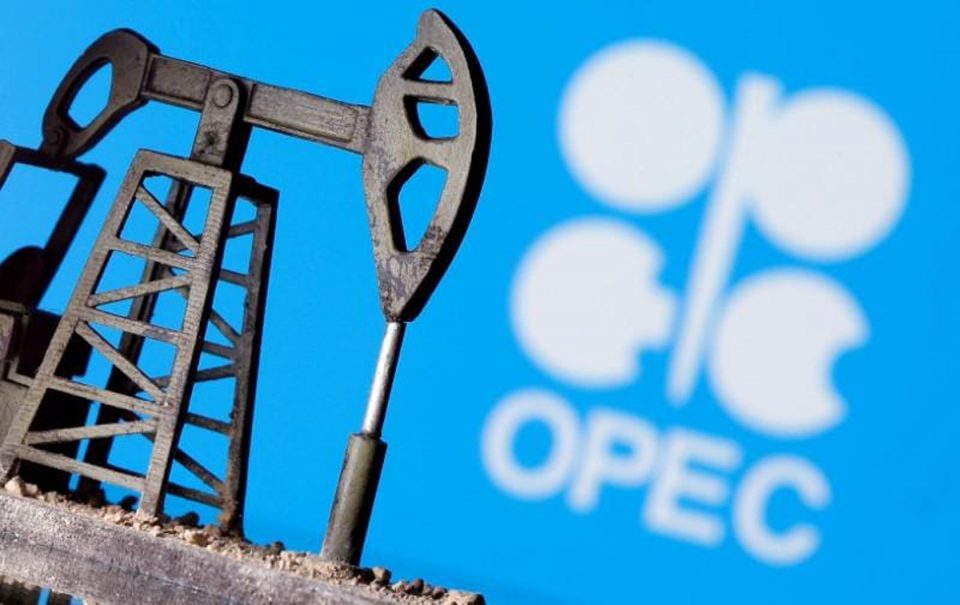
Oil production among members of the Organization of the Petroleum Exporting Countries declined in January, weighed down by reduced output from Nigeria and Libya, according to a Reuters survey released Monday, raising fresh questions about supply trends within the global oil cartel.
Data compiled from shipping flows and industry sources showed that OPEC pumped an estimated 28.34 million barrels per day (bpd) in January, down about 60,000 bpd from December. The decrease came despite increased production in some member states, illustrating a mixed supply picture as the group navigates capacity limits and external pressures.
The largest drop among OPEC members was recorded in Nigeria, where officials and industry trackers reported a significant reduction in crude supply, partly linked to operational challenges and lower export volumes. Libya also saw a downturn, with adverse weather affecting loadings and hindering the delivery of crude to market.
Iran’s oil output also eased, influenced by renewed U.S. sanctions linked to Tehran’s domestic policies. Although exempt from formal OPEC production quotas, Iran’s supply dynamics continue to shape overall output trends within the group.
Some OPEC producers posted higher output, with Iraq exporting more crude from southern terminals and Venezuela’s production inching closer to 1 million bpd, supported by rising exports earlier this year. These gains helped offset part of the output decline elsewhere but were insufficient to lift total production above December levels.
OPEC and its allies, collectively known as OPEC+, which includes major producers like Russia—agreed to pause planned output increases for the first quarter of 2026 amid concerns over potential oversupply, adding another layer of complexity to the oil market outlook.
The January drop comes as global oil markets balance a mix of supply risks, demand uncertainty and geopolitical tensions. Traders have been closely watching developments in Nigeria and Libya, where infrastructure constraints and security challenges have periodically disrupted production.
Meanwhile, prospective cuts in Iranian exports under U.S. pressure could tighten available supply further, even as some countries manage to increase output. The pause on OPEC+ production hikes through the early part of the year may also help prevent an unwelcome buildup of crude stocks at a time when demand growth remains uneven.
Analysts say that the shifting pattern of oil output within OPEC could influence pricing and market sentiment in the months ahead, particularly if supply disruptions persist or if members struggle to meet quota targets amid capacity constraints.
With Nigeria and Libya at the centre of recent production declines and other producers managing to partly counterbalance those losses, the OPEC landscape may remain volatile, keeping energy markets attentive to monthly production surveys and policy signals from the cartel.