















































































A worrying spike in so-called “one-chance” robberies has swept across major Nigerian cities, particularly Abuja, Lagos, and Port Harcourt, raising new concerns about commuter safety and exposing long-standing vulnerabilities in the country’s urban transport systems.
The term “one-chance” refers to a form of organized street-level crime where passengers are lured into commercial vehicles operated by criminals posing as legitimate drivers. Once inside, victims are threatened, robbed, sometimes violently, and in some cases assaulted or dumped in remote areas.
In recent weeks, dozens of such incidents have been reported on social media, with victims recounting traumatic experiences. Many say they boarded what appeared to be regular minibuses or ride-hailing vehicles, only to find themselves surrounded by assailants within minutes.
“I thought I was just getting a ride to Jabi,” said Blessing A., a student in Abuja who was robbed last week. “They pulled out knives, took my phone, bank cards, and forced me to give up my PIN. I was dropped off in the middle of nowhere.
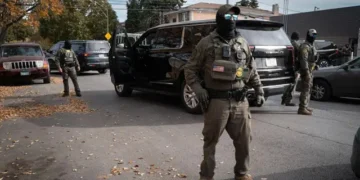
”The Nigeria Police Force has acknowledged the uptick in cases and pledged to increase undercover operations, patrols, and public awareness. In Lagos, the state command announced the arrest of a five-man one-chance gang operating near Ojota, while in Abuja, officials say they are working to regulate unregistered commercial vehicles.
“We are aware of these syndicates,” said Force Public Relations Officer ACP Muyiwa Adejobi. “We urge Nigerians to be cautious and report suspicious vehicles or drivers. We’re scaling up surveillance and intelligence-led arrests.”
However, critics argue that the police response has so far been reactive rather than preventive, with many hotspots remaining poorly monitored, especially after dark.
Experts attribute the rise in one-chance crimes to a combination of economic hardship, lack of transport regulation, and failing infrastructure.
“Nigeria’s informal transport sector is a breeding ground for opportunistic crime,” said Dr. Ayodele Iroko, a criminologist at the University of Lagos. “There’s no centralized verification system for commercial drivers, and desperate people are taking advantage.”
The economic downturn, worsened by inflation and unemployment, has also pushed more people into criminal survival strategies, with urban commuters increasingly caught in the crossfire.
While anyone can fall victim, reports suggest women and students are disproportionately targeted particularly in early morning or late-night commutes. Victims often report psychological trauma that lingers long after the incident.
“It’s not just theft, it’s terror,” said Sarah Eze, a women’s rights activist. “We need to treat this as a public health and safety crisis, not just another urban nuisance.”
Civic groups and urban safety advocates are calling for digital interventions, including verified ride-sharing apps, panic buttons in commercial buses, and public access to real-time incident reporting platforms.
Some states, including Lagos and Kaduna, have begun testing transport tracking systems and digital licensing programs, but implementation remains slow and inconsistent.
The surge in one-chance robberies reflects deeper issues in Nigeria’s urban safety net, where weak enforcement, poverty, and lack of modern infrastructure collide. Until systemic reforms are made, thousands of commuters will continue to risk their safety just to get from one place to another.