











































































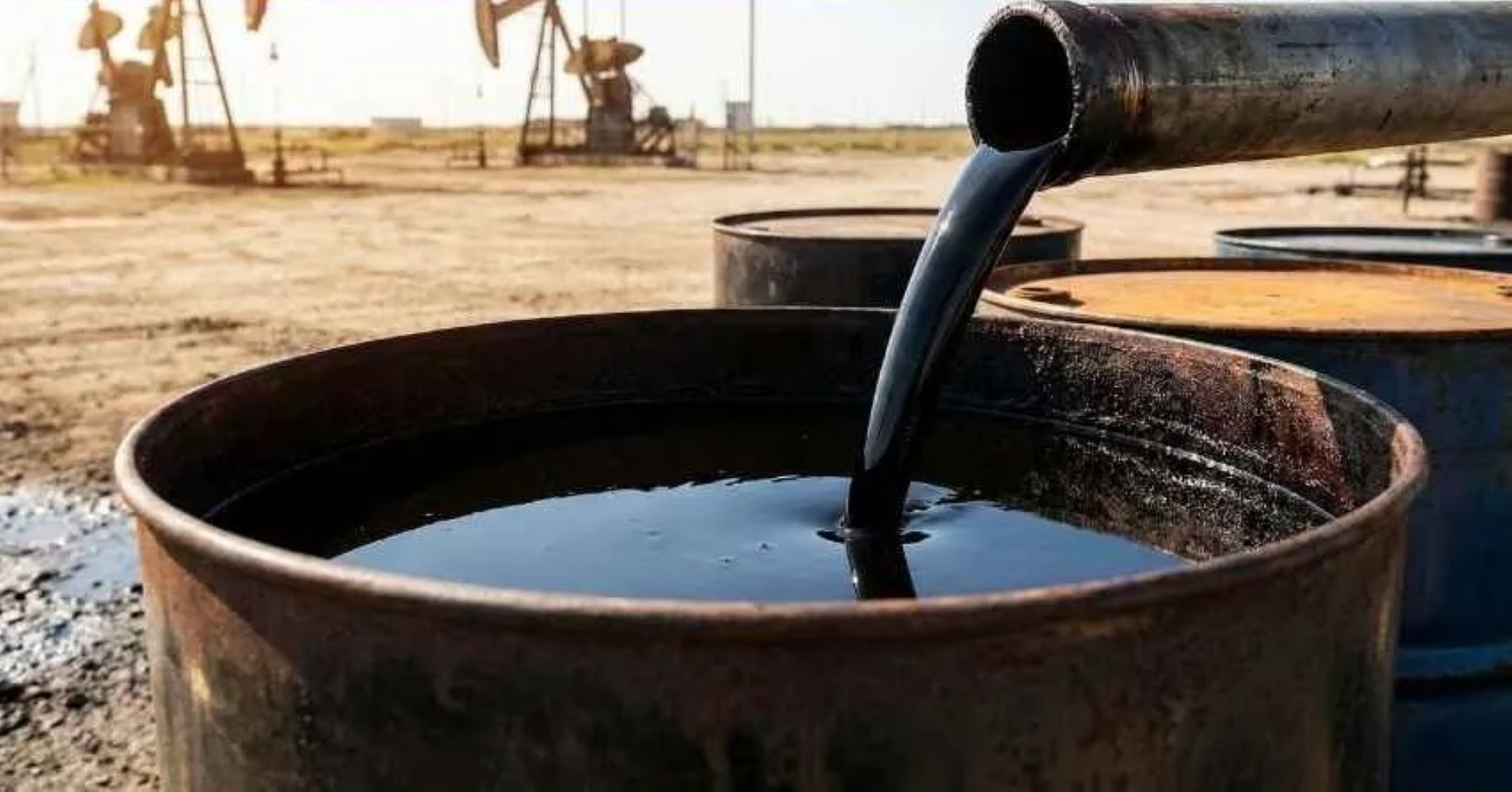
Oil prices dropped sharply on Wednesday, falling below the $100-per-barrel mark as easing geopolitical tensions and a surprise build in U.S. crude inventories weighed on the market.
Brent crude futures fell $13.57, or 12.42%, to $95.70 a barrel, while U.S. West Texas Intermediate (WTI) crude slid $16.95, or 15.01%, to $96 by mid-afternoon trading.
The selloff followed a sudden shift in policy from Donald Trump, who agreed to a two-week ceasefire with Iran, conditional on the reopening of the Strait of Hormuz. The narrow waterway is a critical corridor through which roughly one-fifth of global oil supply passes.
Markets reacted quickly to the prospect of renewed oil flows.
“Overall, the market is hopeful more oil is going to reach the market, but there are still concerns about how fragile this ceasefire is,” said Andrew Lipow, president of Lipow Oil Associates.
The agreement came just hours before a U.S. deadline for Iran to reopen the strait or face potential military action targeting civilian infrastructure. Despite the ceasefire announcement, uncertainty lingered, with shipping sources reporting that Iranian naval forces continued to warn vessels against unauthorized passage.
Iran signaled it could allow controlled and limited transit through the strait within days, ahead of planned talks with U.S. officials in Pakistan. Analysts say the pace and scale of any reopening will be critical in determining the next direction for oil prices.
“Safe passage through the Strait of Hormuz will be central to negotiations,” said Pavel Molchanov, an analyst at Raymond James. “Prices are likely to remain elevated compared to pre-conflict levels until there is clear evidence that shipping has normalized.”
Adding to market pressure, fresh data from the Energy Information Administration showed U.S. crude inventories rose more than expected. Stockpiles increased by 3.1 million barrels to 464.7 million barrels in the week ending April 3, signaling softer demand or rising supply in the world’s largest oil consumer.
The inventory build helped trim earlier losses slightly but reinforced the broader bearish sentiment.
Meanwhile, tensions in the region remained high despite the ceasefire. Iran reportedly launched an attack on Saudi Arabia’s East-West Pipeline shortly after the agreement, targeting a key export route. Several Gulf states also reported missile and drone activity, underscoring the fragile security environment.
On the diplomatic front, Trump said Washington had received a 10-point proposal from Tehran that could form the basis for longer-term negotiations, including discussions around tariffs and sanctions relief.
For now, oil markets appear caught between cautious optimism and persistent risk. Traders are watching closely for concrete signs that shipments through the Strait of Hormuz are resuming smoothly, while also weighing the impact of rising inventories and broader economic signals.
Until then, volatility is likely to remain a defining feature of global energy markets.