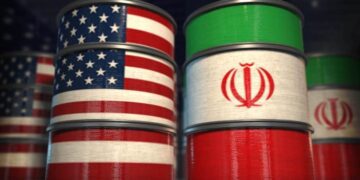

















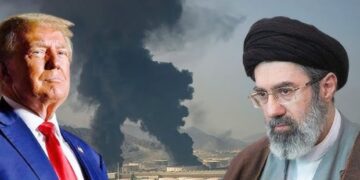





















































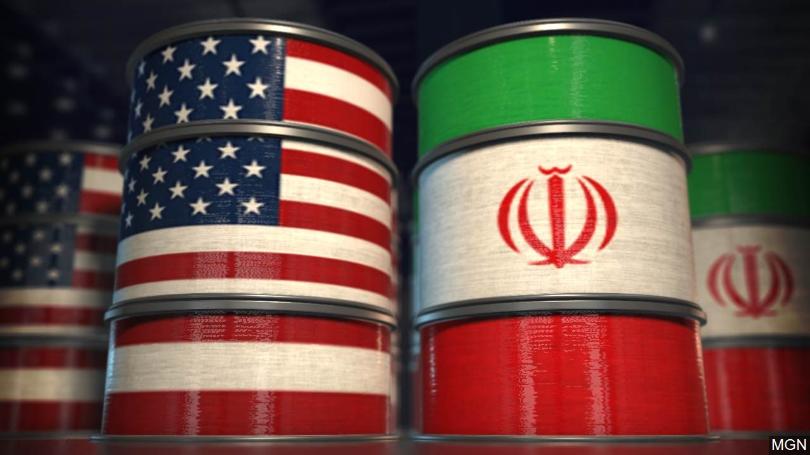
Oil markets began the trading week relatively stable on Monday, 09 February 2026, as investors reacted to a new round of diplomatic engagement between the United States and Iran that eased fears of a military escalation in the Middle East, a region central to global energy flows.
International benchmark Brent crude futures edged slightly higher, trading near $68.22 a barrel, while U.S. West Texas Intermediate (WTI) crude also ticked up modestly. The gains came after a late-week selloff and reflected a rebound from recent volatility.
Despite these small gains, broader price moves were mixed over recent sessions. Analysts noted that both Brent and WTI remain in a range-bound pattern, with markets adjusting as geopolitical tensions fluctuate.
The market calm on Monday followed diplomatic developments in Oman, where officials from Washington and Tehran pledged to continue indirect nuclear negotiations. Both sides described discussions last week as constructive, helping to lighten the geopolitical risk premium that had built up around oil prices in recent weeks due to concerns over possible conflict.
Oil prices had previously swung sharply in response to ups and downs in the U.S.–Iran relationship. For example, earlier in the week, prices dropped more than 1 % at market open as the prospect of eased tensions reduced the spectre of supply disruptions.
Crude markets are acutely sensitive to developments in the Middle East because roughly one-fifth of the world’s oil consumption passes through the Strait of Hormuz, a strategic chokepoint between Iran and Oman. Any escalation in regional tensions has historically driven up risk premiums in oil prices due to fears that supply could be restricted.
Thus, even the possibility of sustained diplomatic engagement can exert downward pressure on prices as traders reassess the likelihood of supply disruptions.
Alongside the diplomatic backdrop, traders are also watching broader supply and demand fundamentals. In recent sessions, shifts in global crude flows, including changes in Russian oil shipments to major importers, have added complexity to pricing dynamics.
Furthermore, market participants remain alert to other technical and economic signals, including OPEC+ production policy and currency trends such as the strength of the U.S. dollar, which can influence commodity pricing more broadly.
With negotiations between Washington and Tehran expected to continue, markets are likely to remain sensitive to geopolitical headlines in the near term. Continued diplomatic progress could keep price movements subdued, while any signs of setbacks or renewed tension could quickly reignite risk premiums.
Analysts say that investors will continue to monitor political developments alongside traditional energy market indicators, including inventory reports, production data and global demand forecasts, for clearer signals on the direction of crude prices.