









































































Crude oil prices surged today, Monday, 26 January 2026, as a brutal “polar vortex” swept across the United States, paralyzing production in America’s oil heartlands. With temperatures dropping to record lows in Texas and the Permian Basin, hundreds of thousands of barrels of daily output have been taken offline, tightening a global market already on edge.
As the US struggles with ‘freeze-offs’ where water in oil wells freezes and halts production, international benchmarks Brent and WTI have both hit multi-month highs.
The harsh winter conditions have caused a series of “cascading failures” across the US energy supply chain:
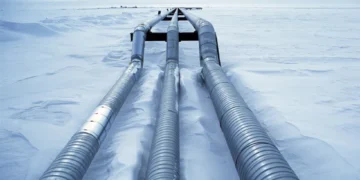
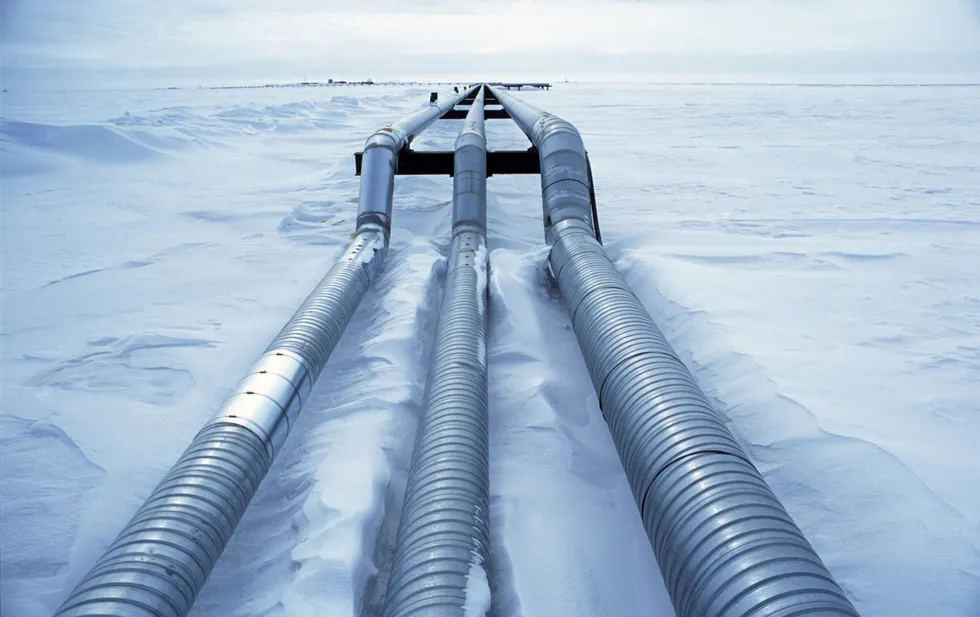
Permian Basin Freeze-Offs: Production in the world’s most active oil field has dropped by an estimated 500,000 to 800,000 barrels per day (bpd) as wells and pipelines freeze over.
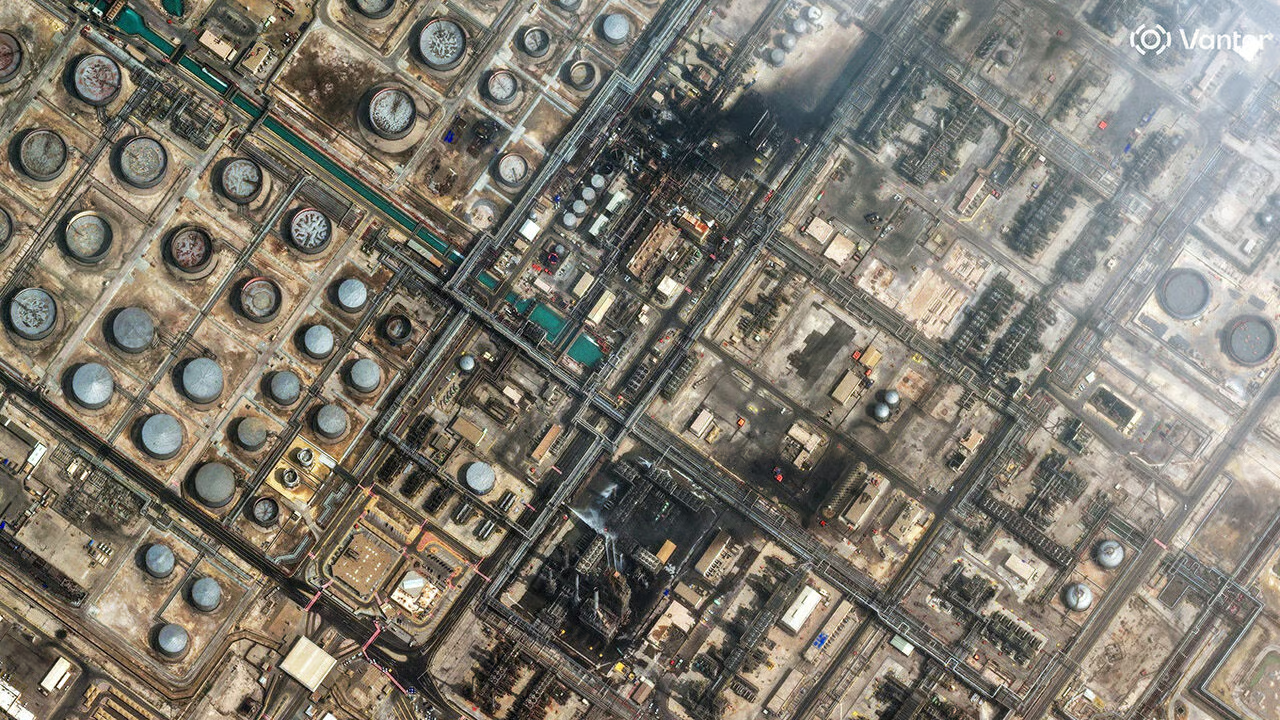
Refinery Disruptions: Major refineries along the Gulf Coast have been forced to throttle back operations due to power outages and equipment failures, leading to a spike in gasoline and heating oil futures.
Logistics Paralysis: Icy roads and frozen waterways have slowed the transport of crude from storage hubs like Cushing, Oklahoma, to global export terminals.
Current Market Prices (Jan 26, 2026)
| Benchmark | Current Price | Daily Change (%) | Market Outlook |
| Brent Crude | $92.40 | +2.8% | Bullish (Supply Tightness) |
| WTI (US Oil) | $88.15 | +3.5% | Extreme Bullish (Local Shortage) |
| Natural Gas | $4.20 | +5.1% | High Demand (Heating) |
The Global Ripple Effect
The US production dip is being felt thousands of miles away, particularly in oil-dependent economies:
OPEC+ Watching Closely: There is growing speculation that OPEC+ may resist calls to increase production, preferring to let prices rise while the US output is temporarily sidelined.
Nigeria’s Dilemma: As a major oil producer, higher prices are good for Nigeria’s foreign reserves. However, the rising cost of imported refined petrol (PMS) could lead to renewed pressure on domestic fuel prices and inflation.
The “Gold-Oil” Connection: With Gold hitting $5,000 today, the surge in Oil reinforces a broader “commodity super-cycle” where hard assets are outperforming currencies.