












































As of Saturday, 27 December 2025, more specific details have emerged regarding the unprecedented U.S. military strikes in Northwest Nigeria. While the U.S. has framed the action as a response to the “persecution of Christians,” the Nigerian government is emphasizing a “joint strategic partnership” to secure the border against foreign fighters.
The Nigerian Ministry of Information and local authorities in Sokoto State have identified the specific areas hit during the Christmas Day operation, and Minister Mohammed Idris confirmed that two prominent ISIS camps in this forest were the primary targets.
Residents also reported that these specific settlements, known to house militant hideouts, were among the locations struck.
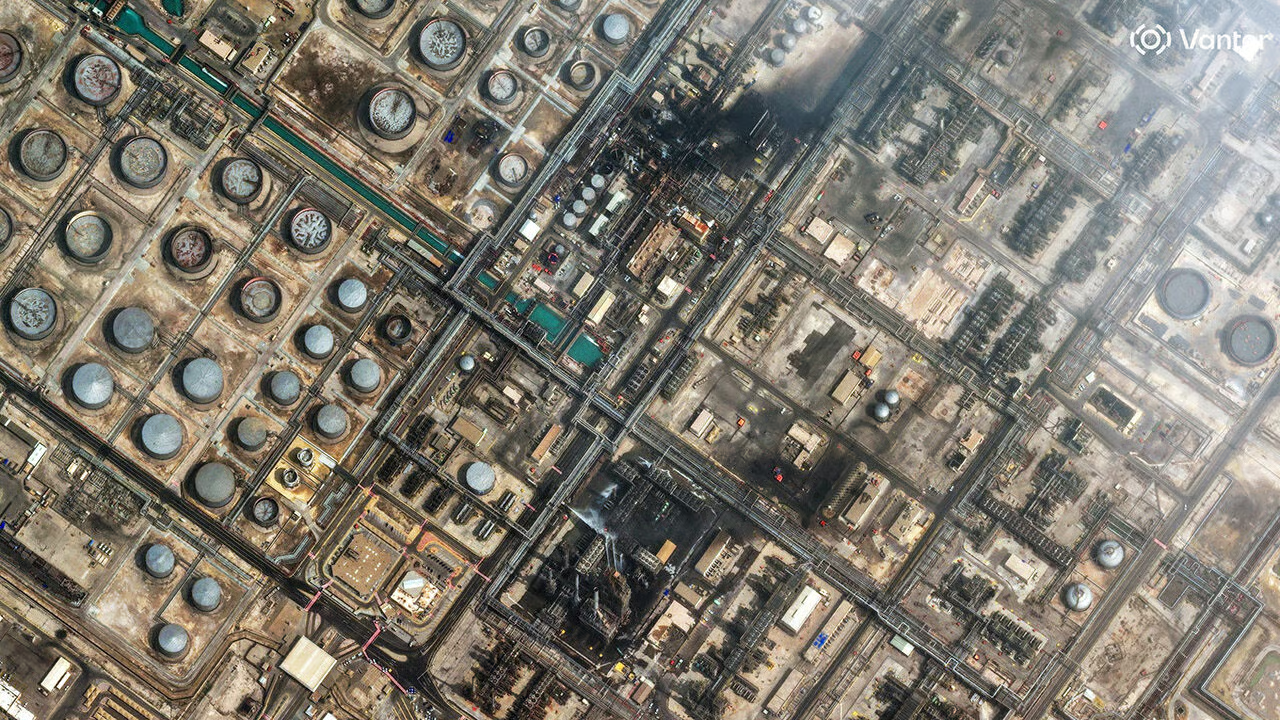
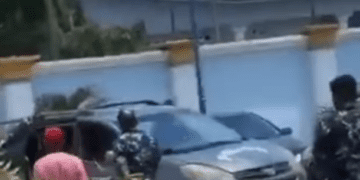
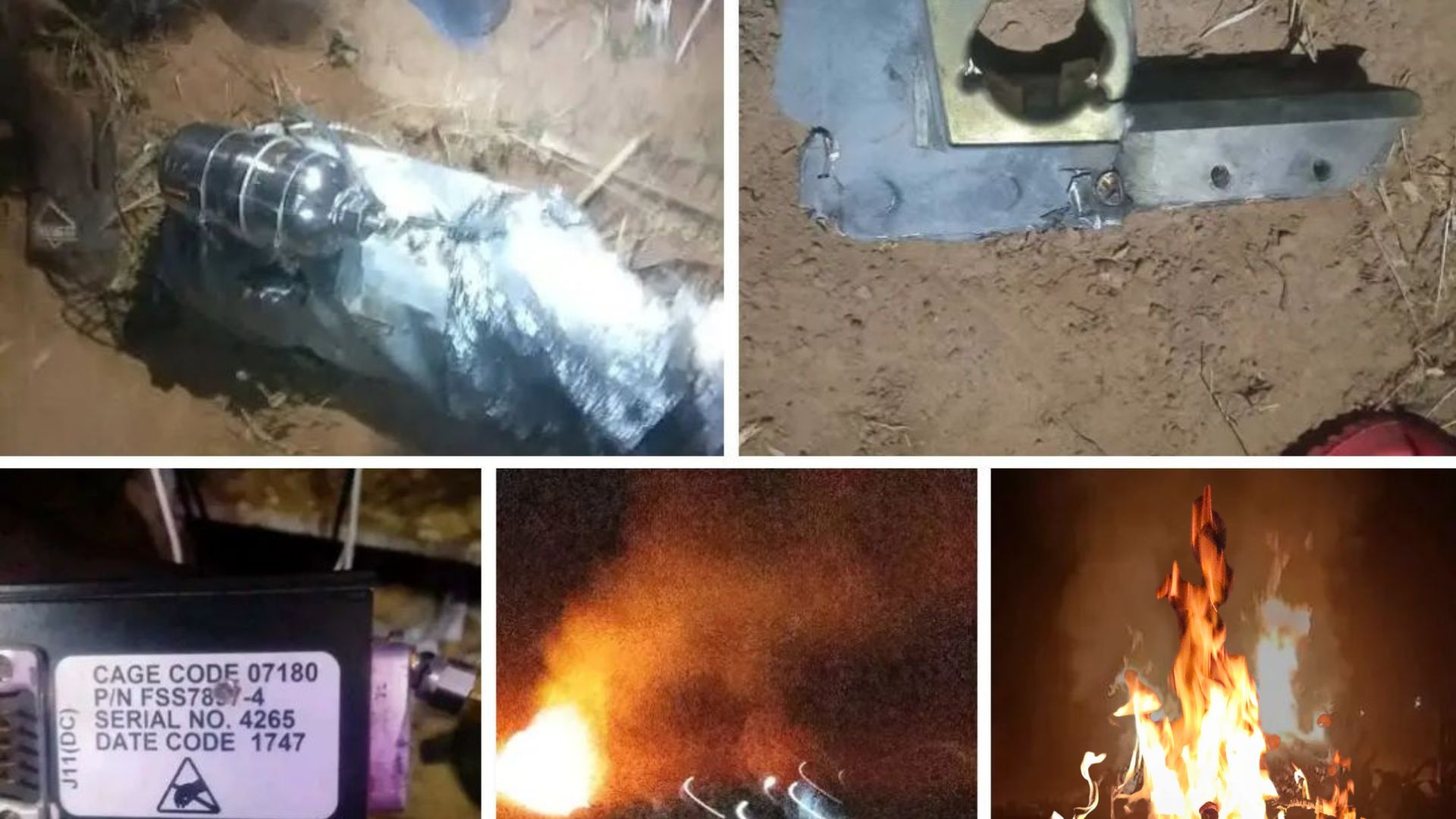
While not the primary targets, debris from the precision munitions fell in some areas. In Offa, five civilians were reportedly wounded and four buildings damaged, though the government maintains there were no fatalities among the civilian population.
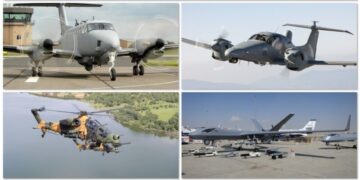
The operation was a sophisticated multi-platform attack launched from the Atlantic Ocean: Over a dozen Tomahawk cruise missiles were fired from the USS Paul Ignatius, an Arleigh Burke-class destroyer positioned in the Gulf of Guinea.
The missiles were supplemented by 16 GPS-guided munitions launched from MQ-9 Reaper drones with the main strikes occurring between 00:12 and 01:30 WAT on 26 December 26 (shortly after midnight on Christmas Day).
Security analysts and the Nigerian military have identified the targets as members of two specific factions. The Lakurawa (ISIS-Sahel), a group that recently migrated from Niger and Mali into Sokoto and Kebbi states. They are known for enforcing a harsh version of Sharia law and clashing with local bandits, and ISWAP (Islamic State West Africa Province), elements of the group’s northwest expansion who were also reportedly hit.
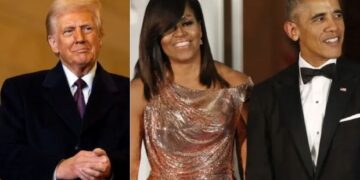
U.S President, Donald Trump has described the the strike as a “deadly blow” to stop the “slaughter of innocent Christians,” linking it to his recent designation of Nigeria as a Country of Particular Concern (CPC).
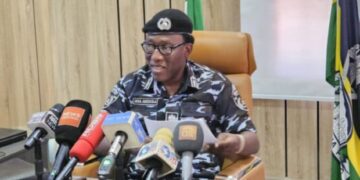
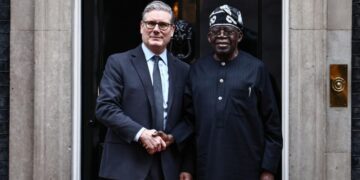
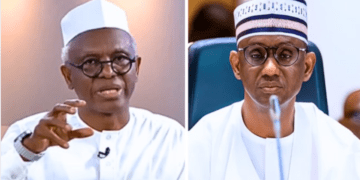
However, the Federal Government has framed the event as a “joint operation” resulting from months of intelligence sharing. Foreign Minister Yusuf Tuggar insisted the strikes “had nothing to do with a particular religion.”
On his part, the Minister of Defense, General Christopher Musa (retd.) cautioned that military intervention solves only 30% of the problem, with the remaining 70% requiring “good governance” and local authority in rural villages.
Critically, local residents who reported the sky “glowing red like daytime” for hours have presented diverse views on this development. While some celebrate the help, village leaders in Jabo expressed fear of retaliatory “searchlights” from fleeing terrorists.