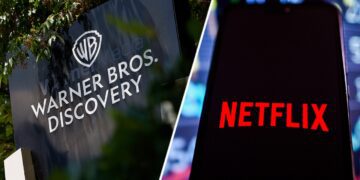














































































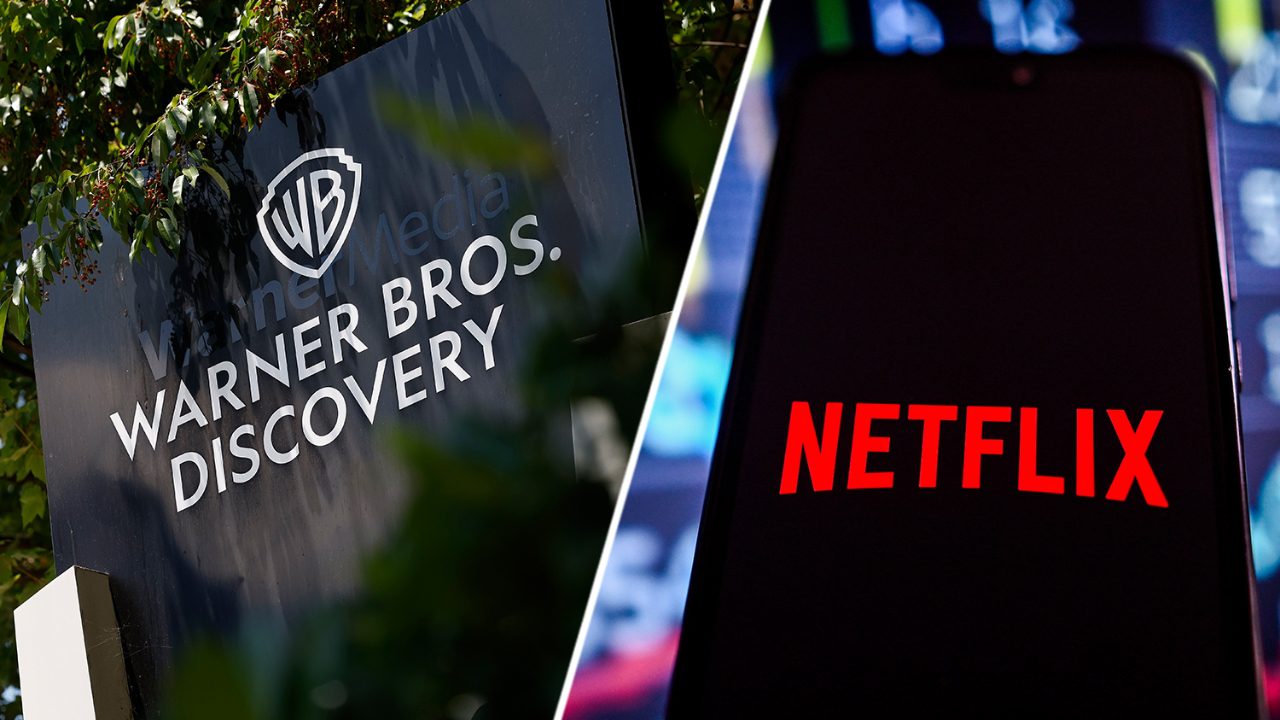
The deal, valued at $82.7 billion (including debt), is set to fundamentally reshape the global entertainment industry by combining the world’s largest streaming service with one of Hollywood’s most prestigious and historic studios.
Netflix will acquire Warner Bros. Studios (film and television production), HBO, and the streaming service HBO Max. Crucially, WBD’s cable networks, including CNN, TBS, TNT, and the Discovery channels, will be spun off into a separate, publicly traded entity called Discovery Global before the Netflix deal closes.
The total enterprise value is approximately $82.7 billion, with an equity value of around $72 billion. This deal is expected to close in the third quarter of 2026, pending mandatory shareholder approval and rigorous review by regulatory bodies.
Notably, this is Netflix’s largest acquisition by far and marks a strategic shift from its traditional organic growth model. The motivation is three-fold, one being that Netflix will gain immediate and permanent control over one of the most valuable content libraries in existence. This includes, Harry Potter, DC Comics (Batman, Superman), Game of Thrones, and the Lord of the Rings film rights as well as the full library of HBO shows (The Sopranos, Succession, The Wire, The White Lotus).
The acquisition also removes a primary rival (HBO Max) from the increasingly competitive streaming landscape, consolidating Netflix’s market dominance and giving the combined company control of an estimated 21% of US streaming viewership.
Netflix will also acquire Warner Bros.’ century-old production infrastructure and global theatrical distribution network, positioning it as a fully integrated powerhouse that both produces and distributes content on a global scale.
However, the merger faces significant challenges, primarily from antitrust regulators in the United States and the European Union, who fear it will give Netflix excessive power.
Critics warn that combining the two streaming giants will stifle competition and give Netflix too much pricing power over consumers.
Hollywood studios and theatrical cinema owners are lobbying against the deal, fearing Netflix will shorten the exclusive theatrical release window for major Warner Bros. films, potentially devastating the movie theater business.
Recognizing the regulatory risk, Netflix included an unusually large $5.8 billion breakup fee to be paid to WBD if the deal fails to clear antitrust hurdles.
The path to completion is expected to be lengthy and contentious, making regulatory approval the single biggest factor determining the success of the merger.