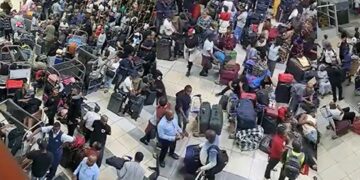





























































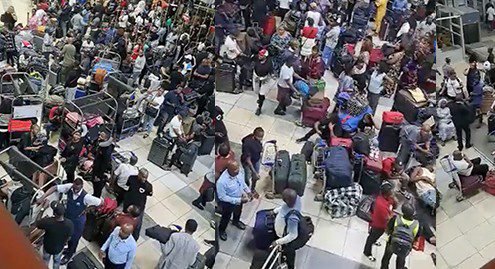
The Nigerian Civil Aviation Authority (NCAA) has issued a final warning to domestic airlines, stating that persistent flight delays, last-minute cancellations, and the abandonment of passengers will now attract severe sanctions, including fines of up to ₦100 million.
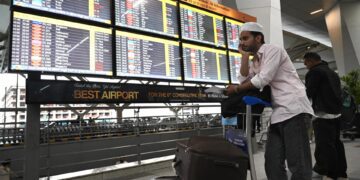
The directive was reinforced today, Tuesday, December 23, 2025, as the authority intensifies its “Consumer Protection Awareness Campaign” launched this week at the Nnamdi Azikiwe International Airport to address the “unacceptable” surge in passenger complaints during the peak Yuletide season.
The NCAA’s Director of Public Affairs and Consumer Protection, Michael Achimugu, expressed dismay over reports of airline staff “intentionally disappearing” from terminals during disruptions, leaving frustrated passengers to vent their anger on NCAA officials.
The NCAA also reminded airlines that under Part 19 of the NCAA Regulations, they are legally obligated to provide refreshments (no matter the cause of delay) and hotel accommodation for passengers stranded between 10:00 PM and 4:00 AM.
Airlines have been ordered to submit their fare filings immediately. The NCAA uncovered instances where tickets were resold at inflated prices exceeding ₦500,000, which Achimugu described as “ticket racketeering” that would trigger further regulatory action.
“Selling tickets for flights you know will not operate is criminal,” Achimugu stated during a recent high-level meeting with operators, warning that regulatory tolerance has reached its limit.
The regulator revealed that its tougher stance has already yielded significant results this year. Between May and July 2025 alone, domestic airlines paid out over ₦1 billion in refunds and compensations—a record achieved through stricter enforcement of Part 19.
The NCAA recently engaged with Rano Air, United Nigeria Airlines, and XeJet over alleged consumer protection breaches. Previously, enforcement actions were initiated against major carriers including Air Peace, Arik Air, and Ethiopian Airways.
In their defense, the Airline Operators of Nigeria (AON), through spokesperson Prof. Obiora Okonkwo, attributed many disruptions to infrastructure-driven factors beyond their control. Citing, faulty conveyor belts and inadequate check-in counters at major airports as primary causes of boarding congestion and “cascading” delays.
Additionally, while seasonal weather conditions have begun to reduce visibility, a factor for which airlines are not technically “at fault” however, are still required to provide “care” (refreshments).
On extreme delays in processing refunds in a growing number of instances, operators have continued to fault technical glitches with third-party ticketing agents and banking platforms.