




































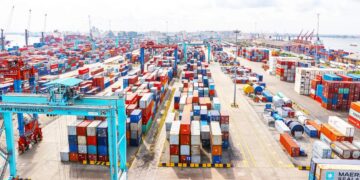







































Nigeria’s long-sought-after National Single Window (NSW) initiative is gathering significant momentum, with the Federal Government pushing the project towards its confirmed March 2026 operational deadline. The unified, digital trade platform is currently undergoing rigorous testing, with high-level officials asserting that the system will transform Nigeria’s port operations, cut costs, and reduce cargo clearance time by over 60 per cent.
The NSW, a cornerstone of President Bola Tinubu’s economic reform agenda, aims to consolidate all import, export, and transit trade compliance processes into a single electronic portal, eliminating the labyrinthine, paper-based processes that have long plagued Nigerian ports.
The project, which has seen several false starts in the past, is now backed by strong political will and is hitting crucial development targets.
Vice President Kashim Shettima, representing President Tinubu, has assured delegates at the recent Customs Partnership for African Cooperation in Trade Summit that the NSW will go live in March 2026.
The Federal Government has commenced UAT with the first cohort of participating stakeholders, including the Nigeria Customs Service (NCS), Nigerian Ports Authority (NPA), FIRS, SON, and NAQS.6 This testing phase validates workflows and ensures all agencies are integrated.
The primary objective is to significantly reduce cargo clearance timelines from the current average of 21 days to below seven days, aligning Nigeria with global best practices and the requirements of the African Continental Free Trade Area (AfCFTA).
Another phase of testing is scheduled for January 2026, with full-scale training for users across the entire trade ecosystem set to begin in February 2026.
The successful implementation of the NSW is viewed as critical to unlocking Nigeria’s non-oil economy and achieving the government’s target of a $1 trillion economy.
| Benefit | Expected Impact | Current Challenge Addressed |
| Cost Reduction | Logistics costs could fall by 25% to 30% | High demurrage fees, multiple fees, and operational inefficiencies. |
| Revenue Generation | Expected to reduce revenue leakages and boost government revenue. | Corruption, manual processes, and non-transparent transactions. |
| Transparency | Real-time tracking of consignment status for all stakeholders. | Lack of visibility, bureaucratic bottlenecks, and human interface corruption. |
| Global Ranking | Expected to significantly boost Nigeria’s ranking in the Ease of Doing Business Index. | Long delays and complex regulatory hurdles. |
Experts cite successful single window implementations in nations like Singapore, South Korea, and Rwanda, where processing times were drastically reduced, and believe Nigeria can match these results within one to two years of full deployment.
The project steering committee, which includes all major trade-related agencies, is operating directly from the Office of the President, highlighting the political priority assigned to the platform’s success.