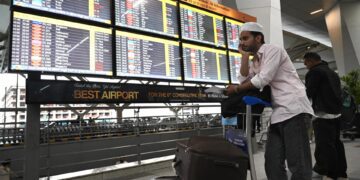



































































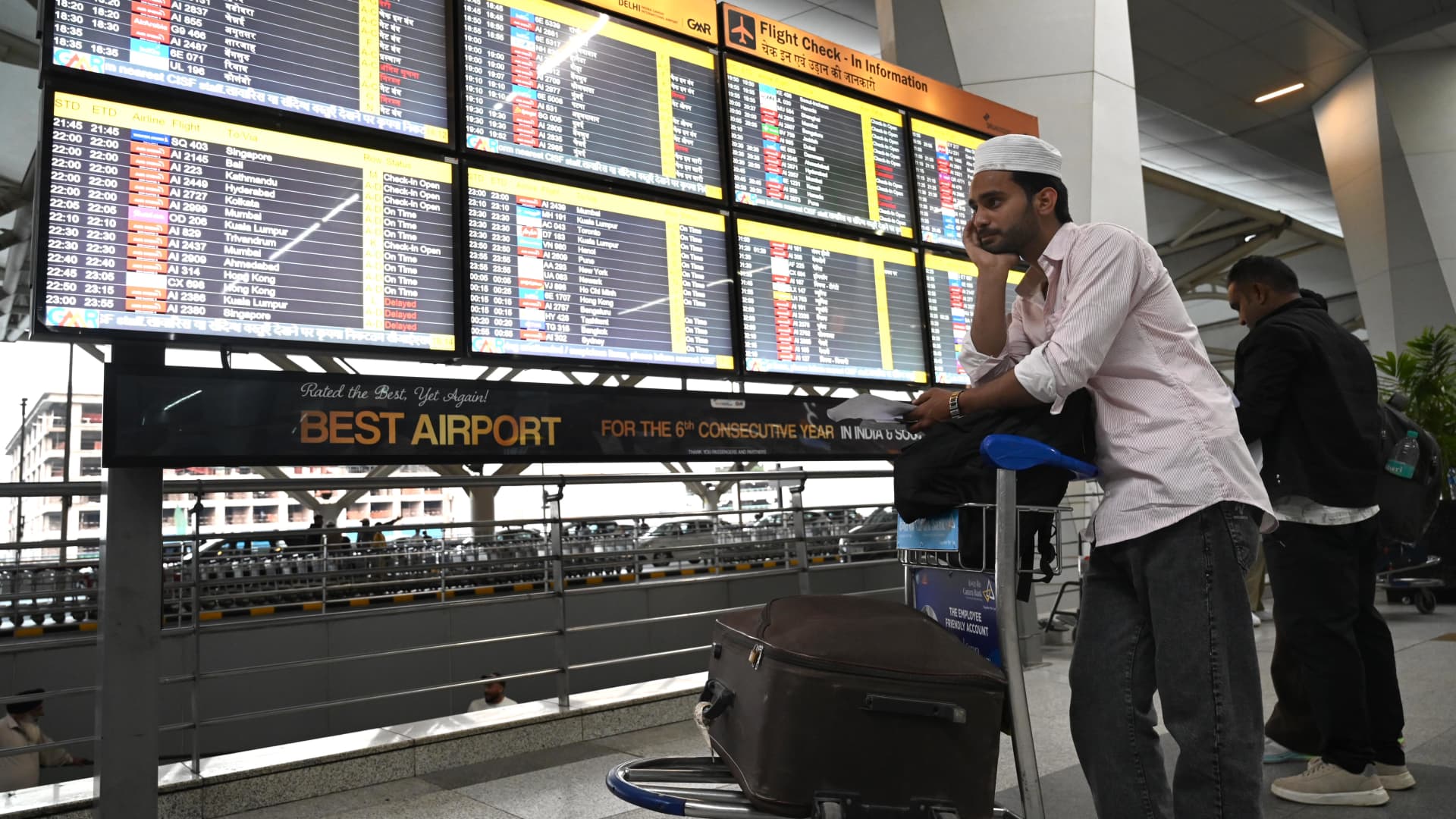
More than one-third of flights scheduled to operate to and from the Middle East were cancelled on Tuesday, underscoring the deepening disruption to global air travel as the conflict involving Iran, Israel and the United States enters a fourth day.
Aviation analytics firm Cirium said nearly 1,900 of the more than 5,450 flights scheduled across the region were scrapped, reflecting widespread airspace closures, safety concerns and operational uncertainty.
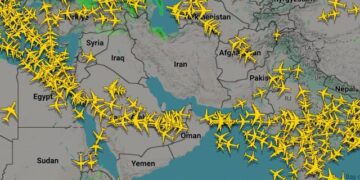
Several countries in the region have temporarily shut their airspace or imposed restrictions following missile and drone exchanges, forcing airlines to cancel services or reroute aircraft. The cancellations have affected major transit hubs that link Europe, Africa and Asia, compounding delays and leaving thousands of passengers stranded.
Airlines operating long-haul routes that typically cross Middle Eastern airspace have also been forced to take longer alternative paths, increasing flight times and fuel consumption. Industry analysts warn that prolonged disruption could push up ticket prices and strain airline schedules globally.
The scale of cancellations highlights the strategic importance of the Middle East as a global aviation corridor. The region hosts some of the world’s busiest transit hubs, and even partial closures can ripple across international networks within hours.
Passengers were advised to check flight status with their airlines before heading to airports, as schedules remain fluid and further changes are likely if hostilities persist.