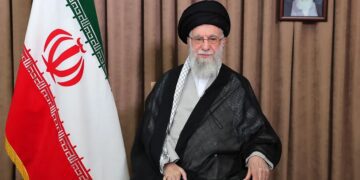





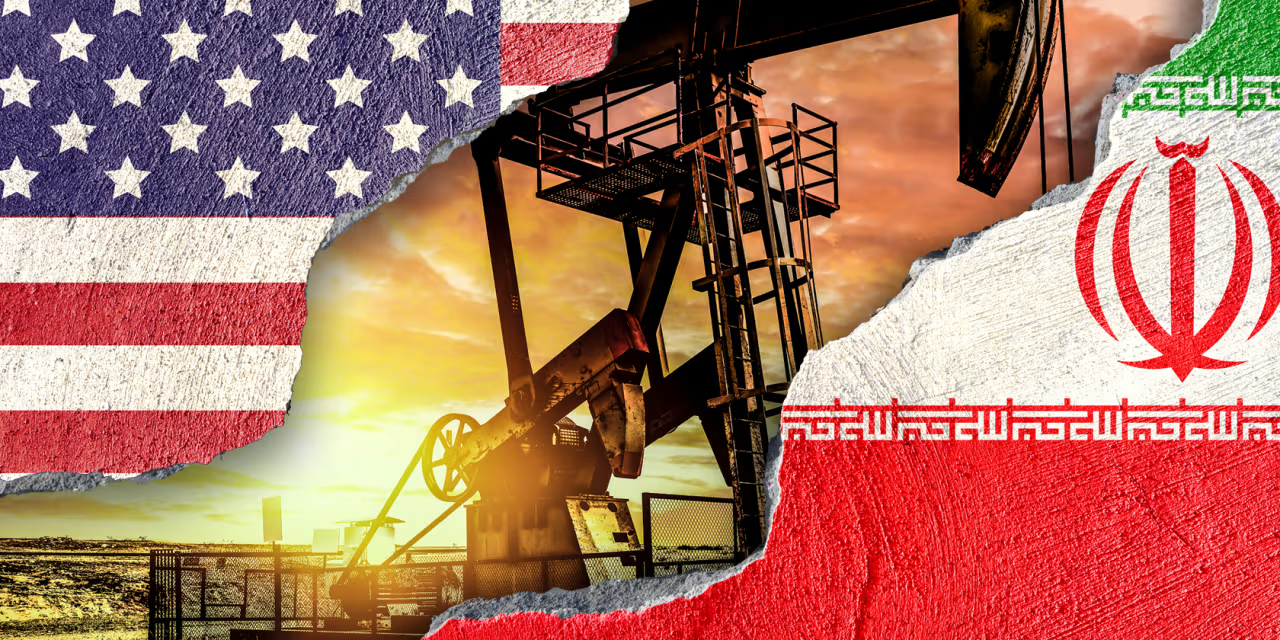













































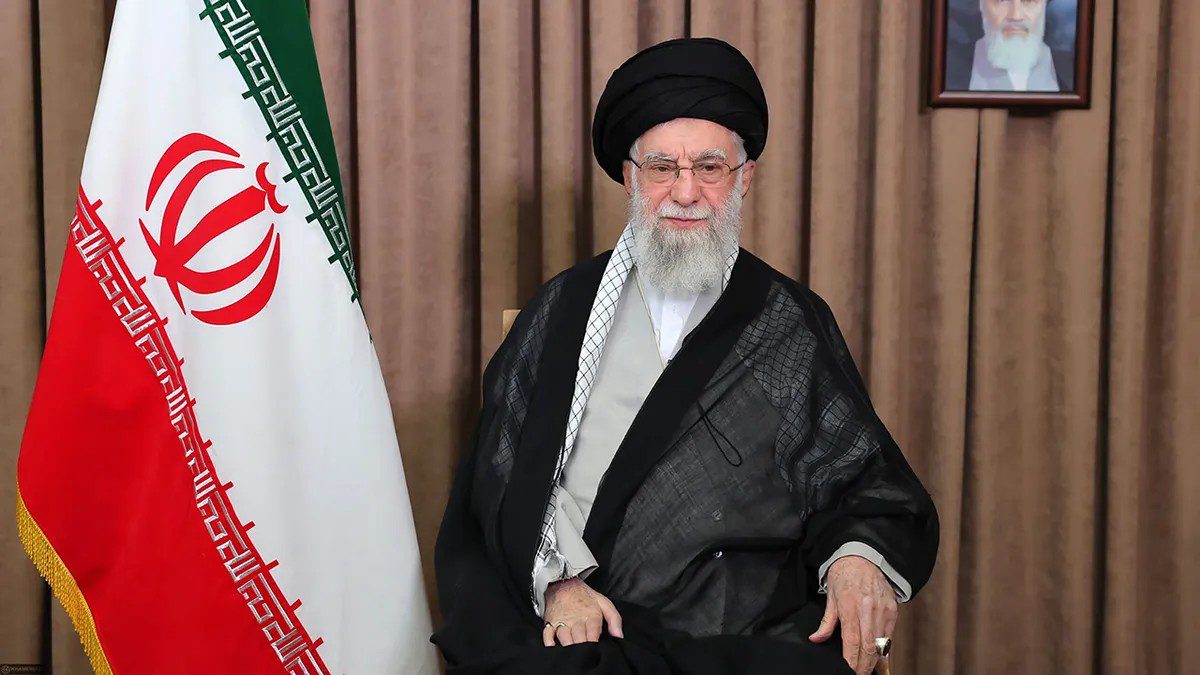
Iranian state media have confirmed the death of Supreme Leader Ayatollah Ali Khamenei following a joint military offensive by the United States and Israel, marking one of the most consequential geopolitical events in the Middle East in decades. Iranian authorities announced a period of national mourning and several public holidays in response to the news.
Iranian state television, citing official sources, said Khamenei, 86, was killed during early morning strikes on Saturday that targeted his leadership compound and other strategic locations. Iran announced a 40-day mourning period and a seven-day public holiday to honour the late leader.
Before the official Iranian confirmation, U.S. President Donald Trump said on social media that Khamenei had been killed in coordinated strikes aimed at crippling what he described as a longstanding threat to global security. Israeli officials also reported finding Khamenei’s body after strikes on leadership sites in Tehran.
In addition to the supreme leader’s death, Iran’s state media and other reports say his daughter, son-in-law and granddaughter were also killed in the strikes. Their deaths highlight the far-reaching impact of the operation on Iran’s leadership circle and have intensified the already serious political implications.
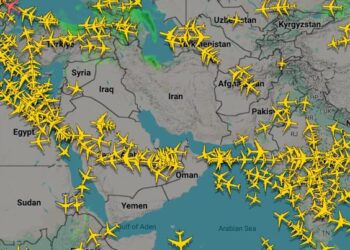
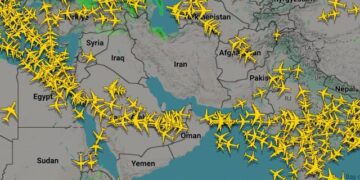
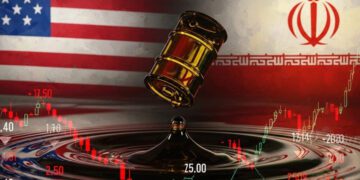
The military offensive sparked widespread regional tension. Iran responded with missile and drone attacks on Israel and U.S. bases across the Middle East, raising fears of broader conflict. Casualties have been reported on both sides, and airspaces were disrupted across the Gulf region.
State television described Khamenei as having been at his compound in downtown Tehran at the time of the strikes, with satellite imagery showing damaged areas around his official residence.
Khamenei had led Iran since 1989, wielding ultimate control over the country’s armed forces, judiciary and political direction. His death leaves a significant leadership vacuum. Iran’s ruling Assembly of Experts is constitutionally tasked with selecting a successor, but the process could unfold amid heightened military tensions and internal uncertainty.
The outlook for Iran’s domestic politics and its role in regional geopolitics is now highly uncertain, with analysts warning that factional rivalries, particularly involving the powerful Islamic Revolutionary Guard Corps, could shape the next chapter of the Islamic Republic.
International response has been swift and mixed. Some governments have expressed concern over the potential for escalation, while others have urged restraint amid fears the situation could spiral into a wider regional conflict with global security and economic consequences.