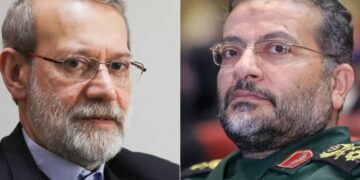

















































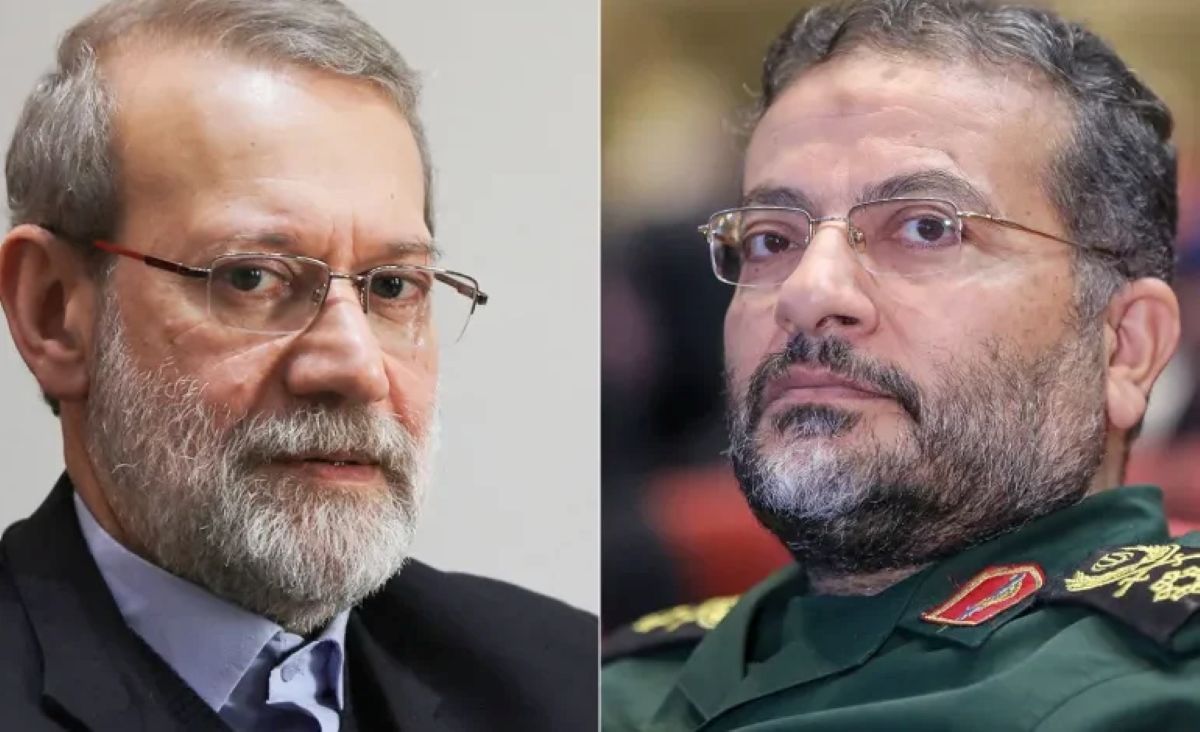
Iran has vowed retaliation following the killing of two of its most powerful security figures, Ali Larijani and Gholamreza Soleimani, in strikes blamed on Israel, marking a major escalation in the ongoing Middle East conflict.
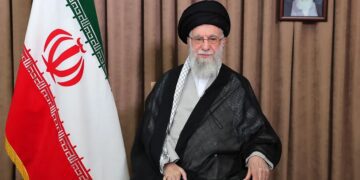
Iran’s Supreme Leader Mojtaba Khamenei described those behind the attacks as “murderers” who “must pay,” warning of imminent consequences as tensions spiral across the region.
Dual strike hits Iran’s leadership
Larijani, a key architect of Iran’s national security strategy, was killed in an airstrike in Tehran, dealing a significant blow to the country’s political and military leadership.
In a parallel strike, Gholamreza Soleimani, commander of Iran’s paramilitary Basij force, was also killed, removing another central figure in Iran’s internal security structure.
The Basij, which operates under the Islamic Revolutionary Guard Corps (IRGC), plays a critical role in maintaining internal control and supporting Iran’s regional military operations.
Analysts say the near-simultaneous targeting of both men represents one of the most significant blows to Iran’s command structure in recent history.
Iran signals retaliation
In a strongly worded response, Khamenei warned that those responsible would face consequences, raising fears of further escalation in a conflict that has already spread across multiple countries.
Iran has blamed Israel for the killings and accused the United States of backing the operation, claims that have further heightened geopolitical tensions.
The developments come as Iran has already launched missile and drone attacks in retaliation, targeting Israeli and regional positions.
Conflict spreads across region
The killings are part of a broader wave of strikes and counter-strikes that have engulfed the Middle East.
Israeli officials said the operations were aimed at dismantling Iran’s military leadership and weakening its regional influence.
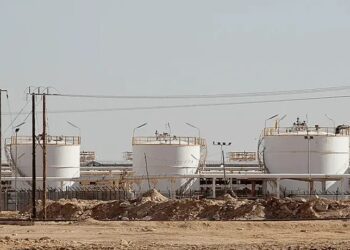
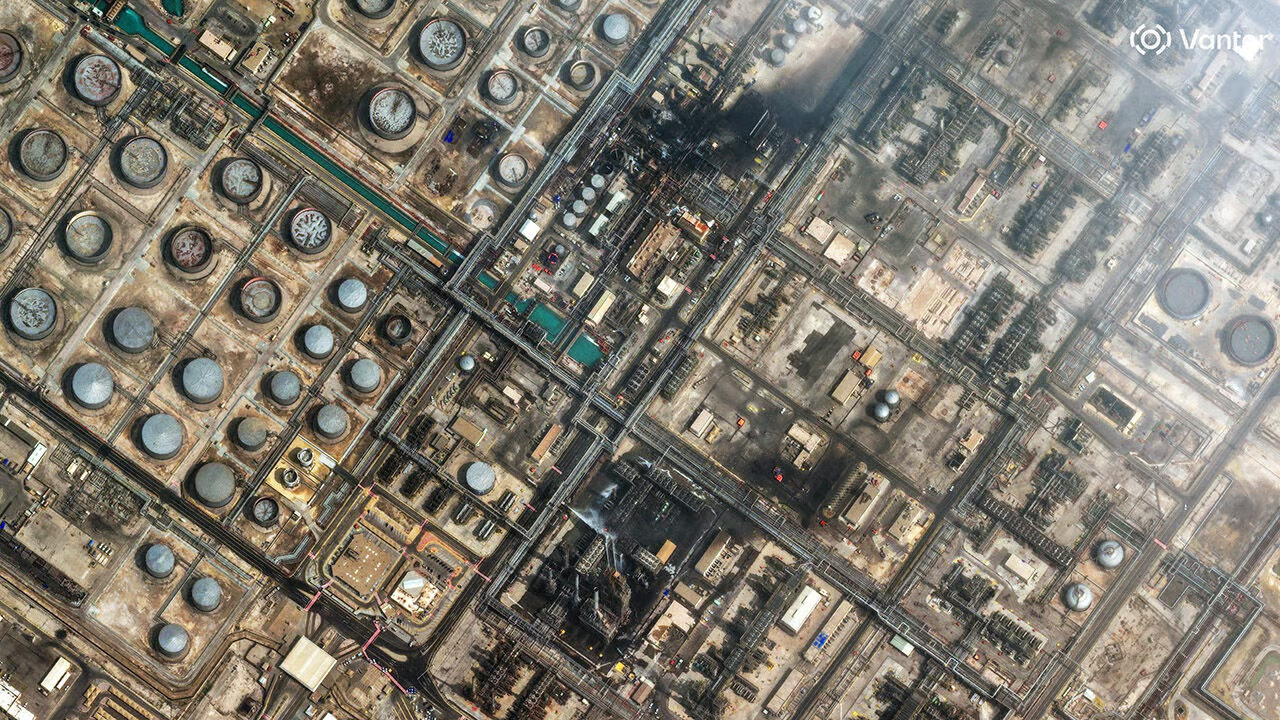
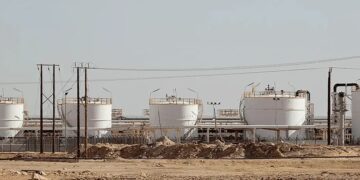
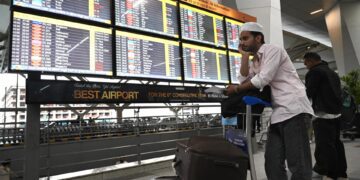
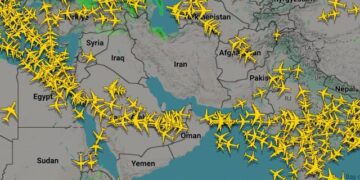
The escalating conflict has also impacted countries across the Gulf, disrupted global oil flows and heightened fears of a wider regional war.
Strategic implications
Experts warn that the loss of both Larijani and Soleimani could significantly affect Iran’s military coordination and internal stability.
Larijani was widely seen as a key decision-maker in Iran’s security and diplomatic strategy, while Soleimani oversaw the Basij’s vast network, which is crucial for domestic security and mobilisation.
“The removal of both figures at once is not just symbolic—it has operational consequences,” a regional analyst said.
Global concerns grow
The international community has expressed concern over the rapid escalation, with calls for restraint growing louder as the risk of a broader conflict increases.
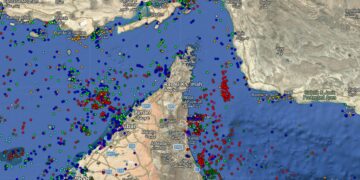
With the Strait of Hormuz already under pressure and global energy markets reacting sharply, the fallout is being felt far beyond the Middle East, including in Africa, where economies remain vulnerable to rising fuel and food prices.
For now, attention is focused on Tehran, as the world waits to see how Iran responds to one of the most significant attacks on its leadership in years.