


































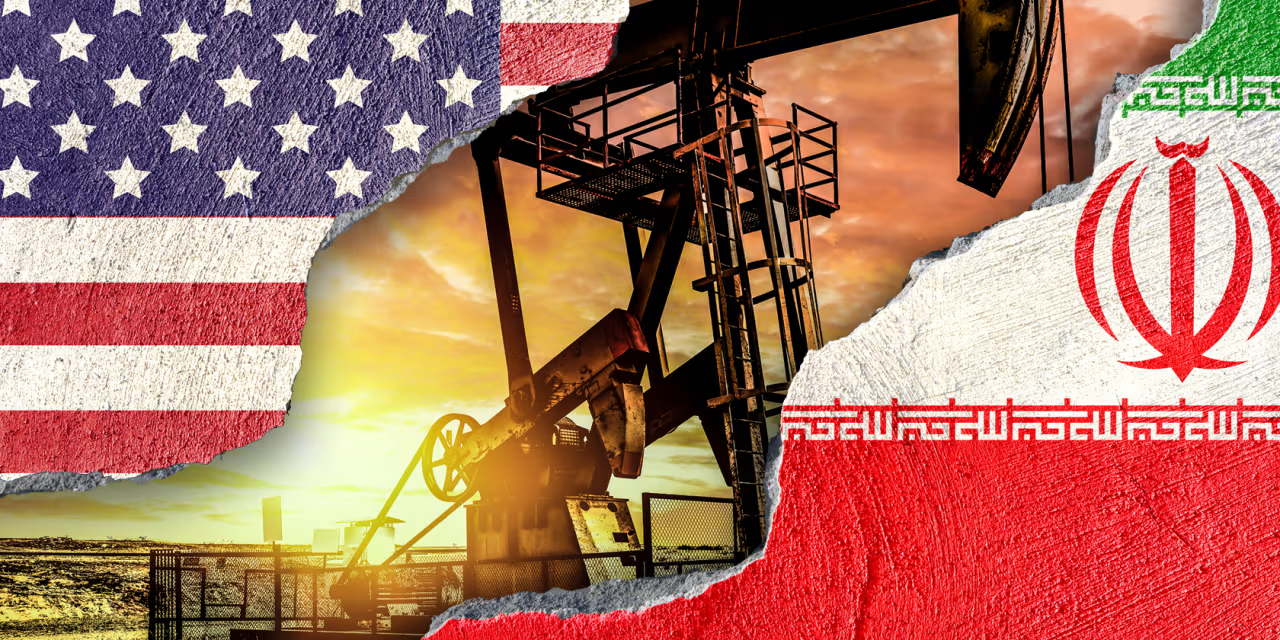





























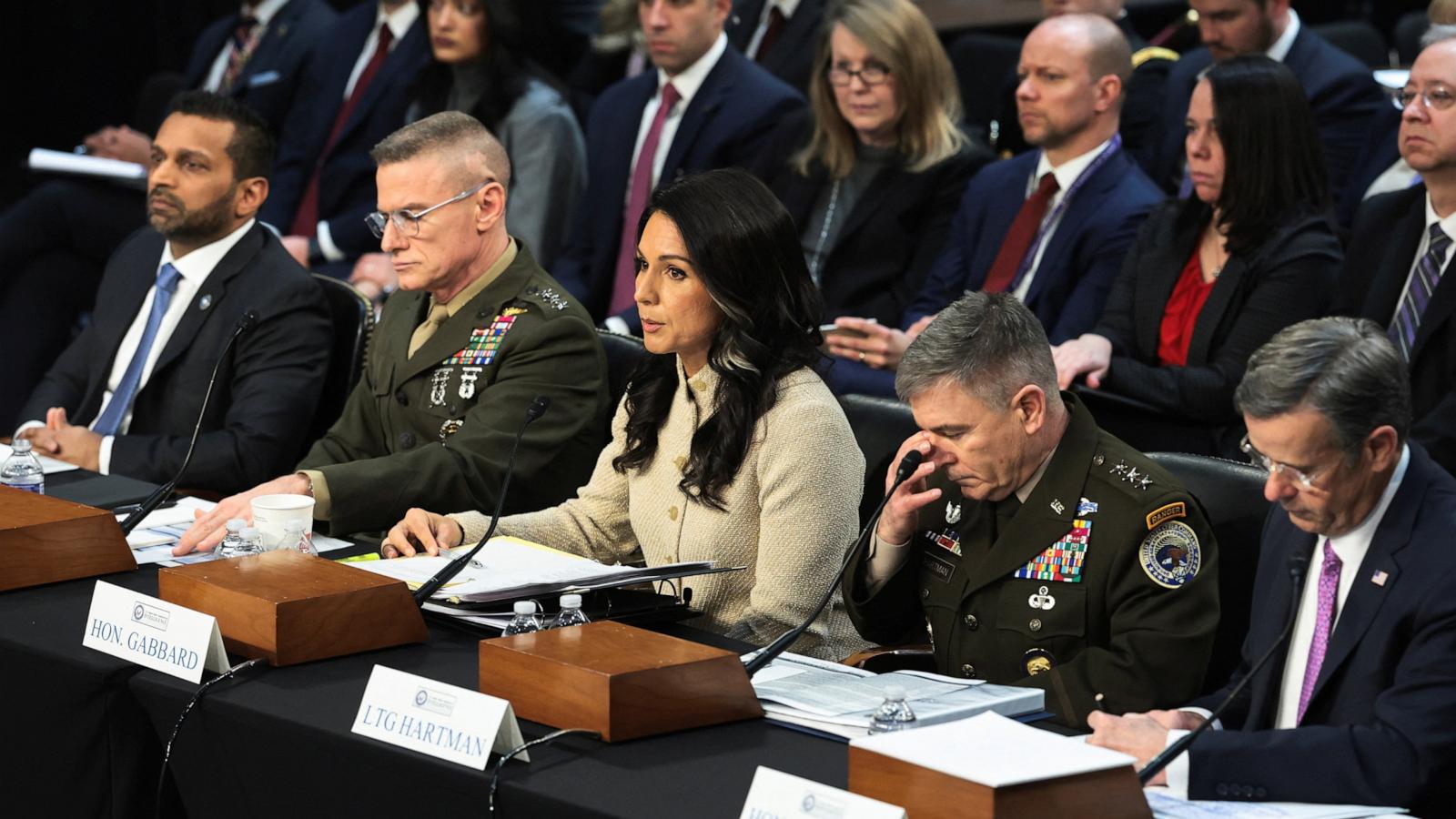
Despite weeks of sustained military strikes, Iran’s government remains intact but significantly weakened, according to Tulsi Gabbard, the United States Director of National Intelligence.
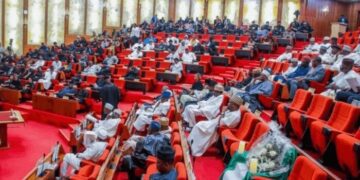
Speaking before lawmakers in Washington, Gabbard said the Iranian state has been “degraded” since the war began on February 28, but continues to function and maintain the capacity to strike back at its adversaries.
Government weakened but not collapsed
Gabbard told the Senate Intelligence Committee that while Iran’s leadership, military infrastructure and economy have suffered heavy damage, the core structure of the government remains in place.
“The regime appears to be intact,” she said, warning that Tehran still poses a threat to United States interests and those of its allies across the Middle East.
The assessment comes after weeks of intense conflict involving Israel and the United States, which have targeted Iranian military, nuclear and strategic assets.
Threat from proxies remains
Despite the damage, Gabbard warned that Iran and its network of regional allies, often referred to as proxy groups, remain capable of launching attacks.
These groups, active in countries such as Lebanon, Iraq, and Syria, have historically been used by Tehran to project influence and retaliate without direct confrontation.
Analysts say this means the conflict could continue even if Iran’s central command structure is under pressure.
Military gains, long-term risks
US officials described the military campaign as a strategic success, noting that Iran’s conventional capabilities and key infrastructure, including parts of its nuclear programme, have been severely damaged.
However, Gabbard cautioned that if the government survives the conflict, it is likely to pursue a long-term strategy to rebuild its missile and drone capabilities.
This raises concerns that the current war may only delay, rather than eliminate, Iran’s strategic ambitions.
Political tensions in Washington
The intelligence briefing also exposed divisions within the US political establishment over the war.
Lawmakers from both parties questioned the rationale, cost and long-term consequences of the conflict, including its impact on global energy markets and civilian populations.
There were also concerns about whether pre-war intelligence accurately reflected the level of threat posed by Iran.
Implications for global economy
The continued resilience of Iran’s government suggests the conflict could drag on, prolonging instability in the Middle East.
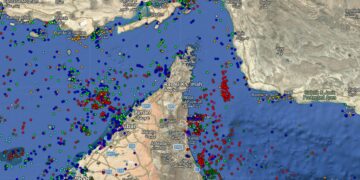
For countries in Africa, including Nigeria, this could mean sustained pressure on fuel prices, food supply chains and inflation, especially as disruptions persist around key oil routes like the Strait of Hormuz.
Uncertain endgame
With Iran still standing, though weakened, the path forward remains unclear.
Experts warn that without a diplomatic resolution, the conflict risks evolving into a prolonged regional struggle, with global economic and security consequences.
For now, the intelligence assessment underscores a critical reality: Iran may be battered, but it is far from defeated.