

































































Iran has announced it will suspend missile and drone attacks on neighbouring countries unless those nations launch strikes against it, in what officials described as a move to prevent the widening of the ongoing Middle East conflict.
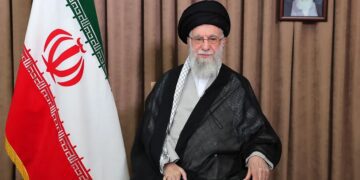
President Masoud Pezeshkian said the decision was approved by Iran’s temporary leadership council, which is currently overseeing the country following the death of Ali Khamenei in recent U.S.–Israeli attacks.
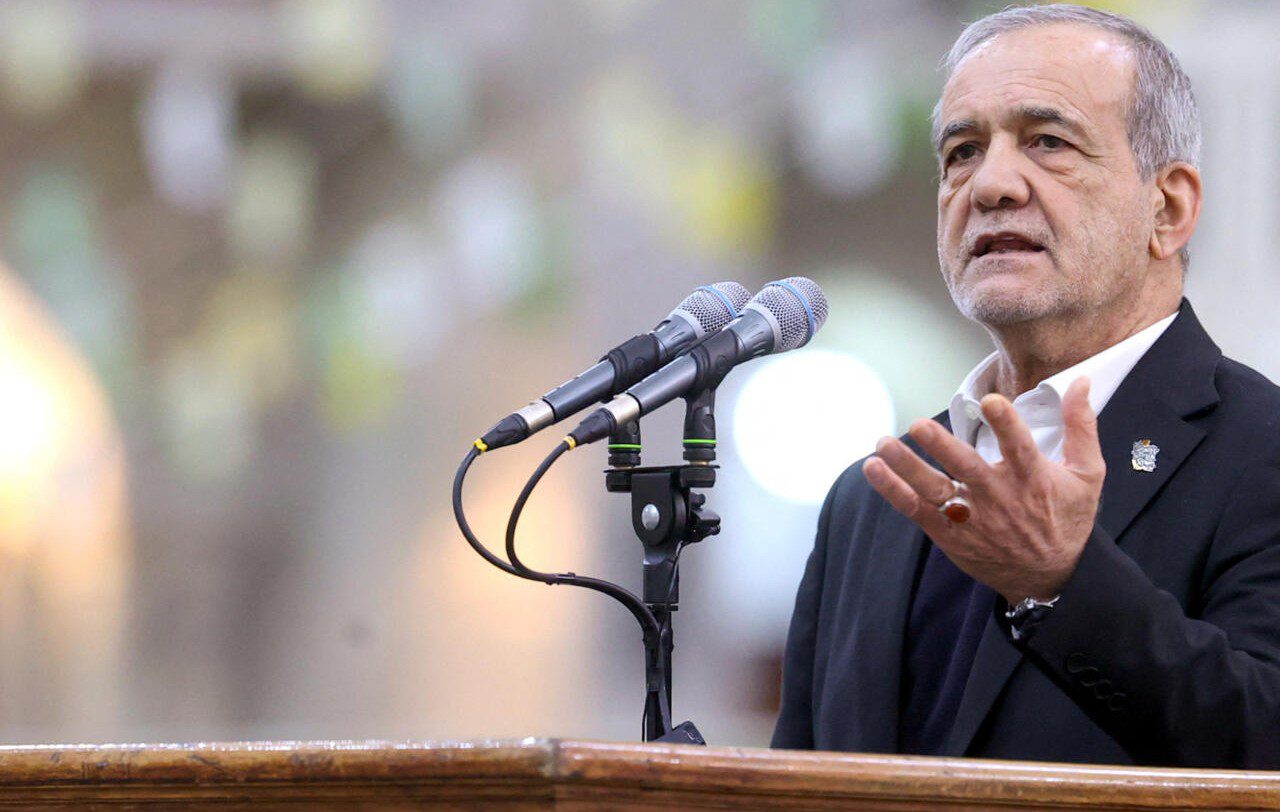
Speaking in a televised address, Pezeshkian said Iran would no longer target neighbouring countries unless attacks against the Islamic Republic originate from their territory.
“The interim leadership council agreed that there will be no more attacks on neighbouring countries and no missiles will be fired unless an attack on Iran originates from those countries,” he said.
The announcement marks a rare diplomatic signal from Tehran amid escalating hostilities with the United States and Israel, whose joint strikes on Iran triggered the current regional conflict.
Pezeshkian also issued an apology to regional governments affected by recent Iranian missile and drone attacks.
“I apologize on my own behalf and on behalf of Iran to the neighbouring countries that were attacked,” the president said, adding that Tehran has no intention of invading or confronting nearby states.
The remarks were widely interpreted by analysts as an attempt to calm tensions with Gulf states such as Qatar, Bahrain, Kuwait and the United Arab Emirates, several of which host U.S. military bases and had been struck during retaliatory Iranian operations.
Despite the de-escalation signal toward neighbouring countries, the broader conflict between Iran, Israel and the United States continues to intensify.
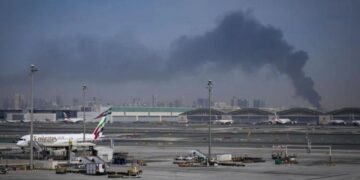
Missile exchanges, drone strikes and air raids have been reported across the region since the war erupted following coordinated U.S.–Israeli strikes on Iran in late February. The confrontation has disrupted global energy markets, aviation routes and shipping lanes, while raising fears of a wider regional war.
Pezeshkian also rejected demands from Washington for Iran’s unconditional surrender, saying such expectations were unrealistic and insisting that the country would continue to defend itself.
Analysts say the decision to suspend attacks on neighbouring states reflects Tehran’s attempt to limit the geographic spread of the conflict and avoid drawing additional countries into the war.
The interim leadership council’s policy effectively signals that Iran will concentrate its military response on what it considers the primary adversaries in the conflict while seeking to reduce friction with surrounding governments.
However, with airstrikes and missile launches continuing across parts of the Middle East, observers caution that the situation remains volatile and could escalate further if new attacks emerge from regional bases or allied forces.