































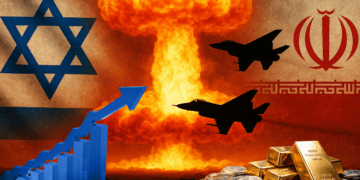

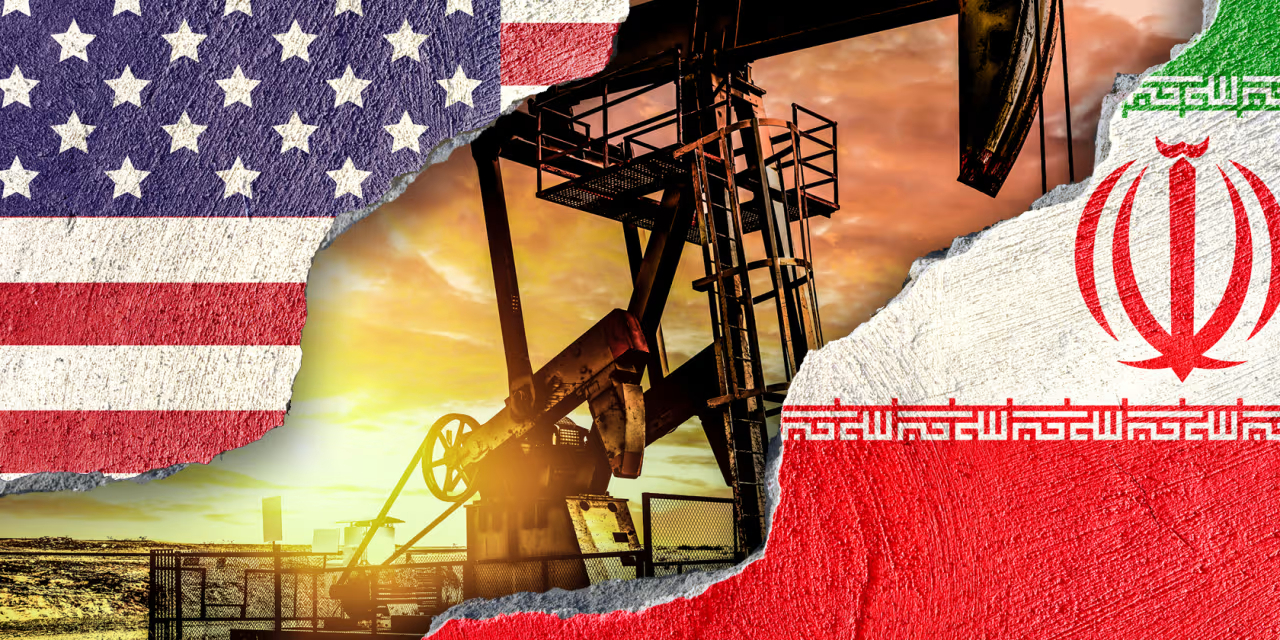

























Tensions across the Middle East have surged sharply after Iran threatened to launch attacks on energy infrastructure across the Gulf following a major strike on its critical gas facilities.
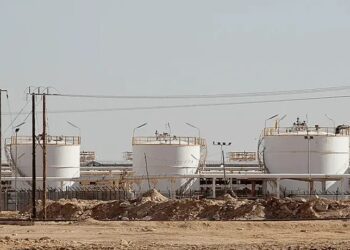
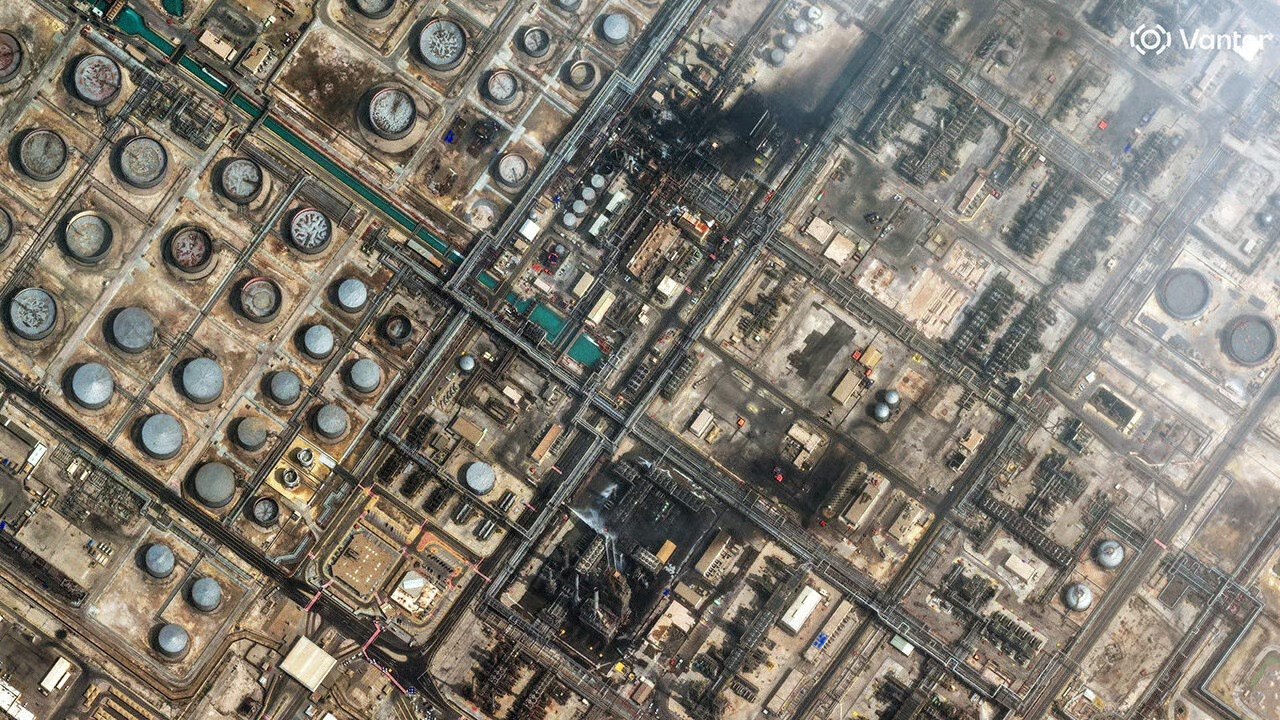
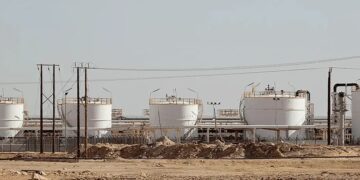
The warning came after explosions and fires were reported at the South Pars gas field, the world’s largest natural gas reserve and a cornerstone of Iran’s domestic energy supply.
Iranian officials described the attack as a dangerous escalation in the ongoing war involving Israel and the United States, vowing swift retaliation.
In a dramatic response, Iranian authorities warned that oil and gas installations across the Gulf could become targets, urging evacuations around key energy facilities in countries such as Saudi Arabia, the United Arab Emirates, and Qatar.
The threat signals a potential expansion of the conflict beyond direct military targets to include the wider global energy network.
Analysts say such a move could have devastating consequences for global markets, given the Gulf’s central role in oil and gas production.
The South Pars field, shared between Iran and Qatar, accounts for a significant portion of Iran’s energy production, supplying up to 80% of its domestic gas needs.
Strikes on the facility triggered fires and disrupted output, marking one of the most serious attacks on Iran’s energy infrastructure in the current conflict.
The field is also part of a broader system that underpins regional and global energy flows, meaning any sustained disruption could ripple across international markets.
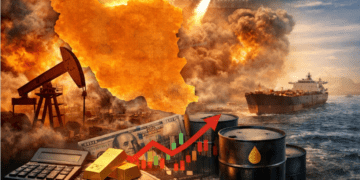
Global oil prices jumped sharply following the attack, with Brent crude climbing above $100 per barrel amid fears of prolonged supply disruptions.
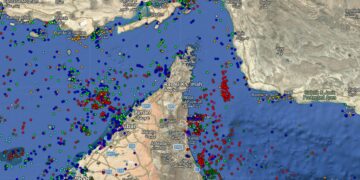
Energy analysts warn that continued escalation could push prices even higher, especially if Iran follows through on threats to target Gulf infrastructure or further disrupt shipping through the Strait of Hormuz, a route that carries roughly a fifth of the world’s oil.
Stock markets have also shown signs of volatility as investors react to the growing uncertainty.
Experts say the targeting of energy infrastructure marks a dangerous new phase in the conflict.
“Iran is signalling that if its own energy lifelines are attacked, it will respond in kind across the region,” one analyst noted, pointing to previous strikes on oil fields, refineries and shipping routes.
There are also concerns that key liquefied natural gas (LNG) facilities in Qatar, responsible for a large share of global supply, could be at risk, further tightening energy markets.
For countries across Africa, including Nigeria, the escalation could translate into higher fuel costs, rising inflation and increased pressure on already strained economies.
Many African nations depend on imported petroleum products and fertilizers linked to Gulf supply chains, making them especially vulnerable to prolonged disruptions.
With both sides escalating attacks and rhetoric, fears are growing that the conflict could evolve into a full-scale “energy war” with global consequences.
As Iran weighs its next move, the world is watching closely, aware that any strike on Gulf oil infrastructure could send shockwaves through economies far beyond the Middle East.