































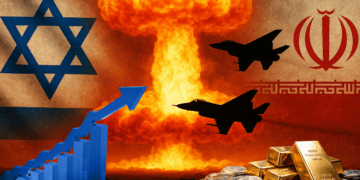






























The Middle East conflict has entered a dangerous new phase after Iran launched strikes on energy infrastructure in Qatar and fired missiles toward Saudi Arabia, following a major attack on its own gas facilities.
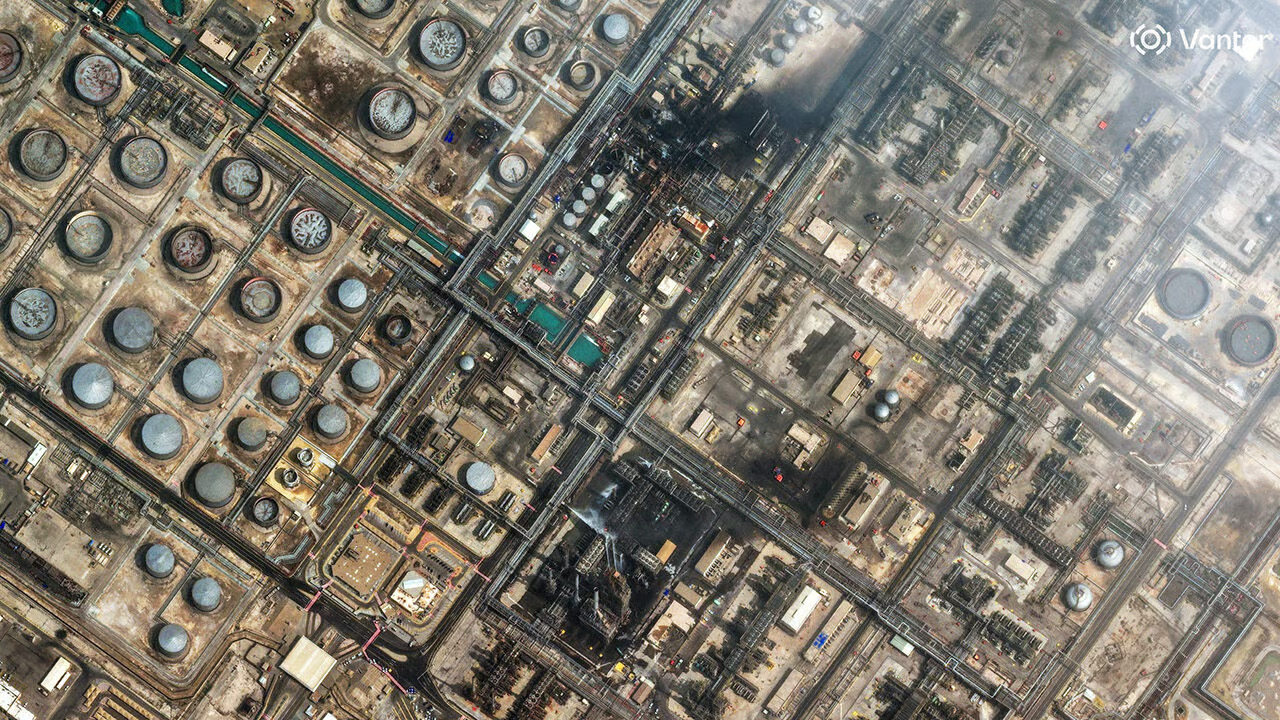
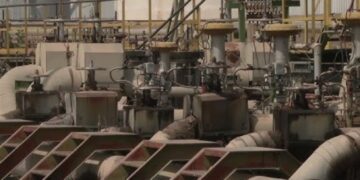
The escalation comes after Iran’s critical South Pars gas field, the world’s largest natural gas reserve, was struck, triggering fires and disrupting production in what analysts describe as a turning point in the war.
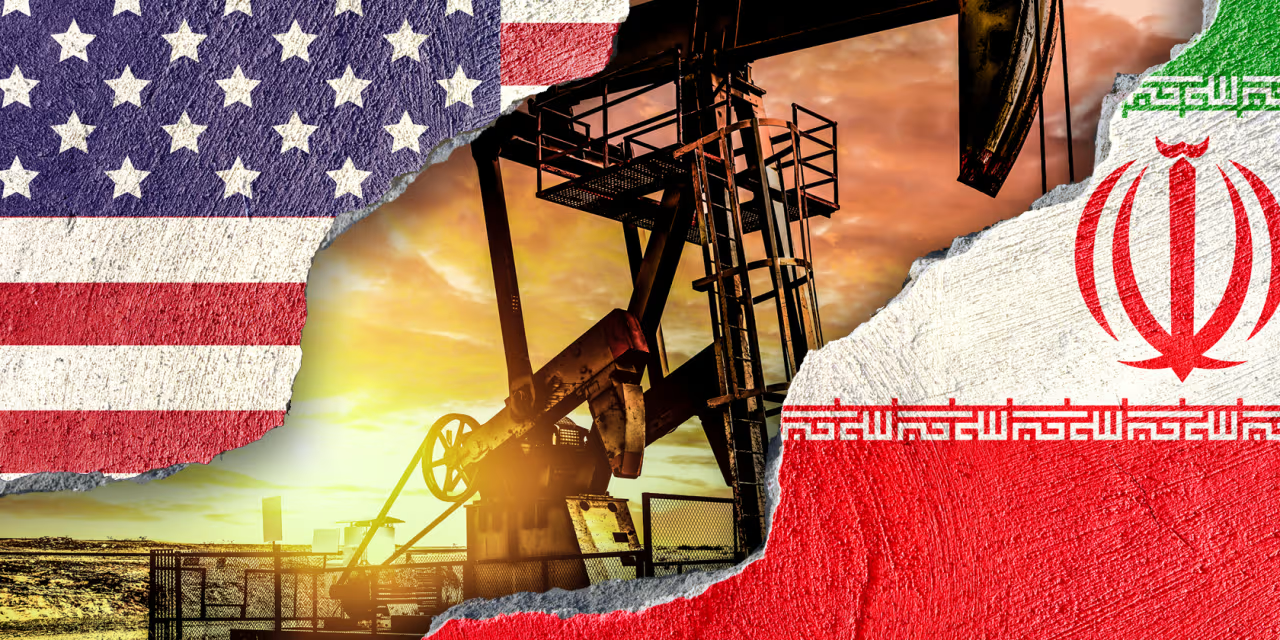
Iran had earlier warned that it would target oil and gas installations across the Gulf if its energy infrastructure came under attack.
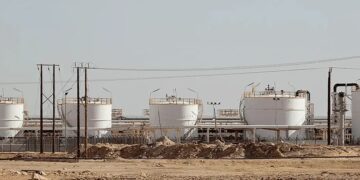
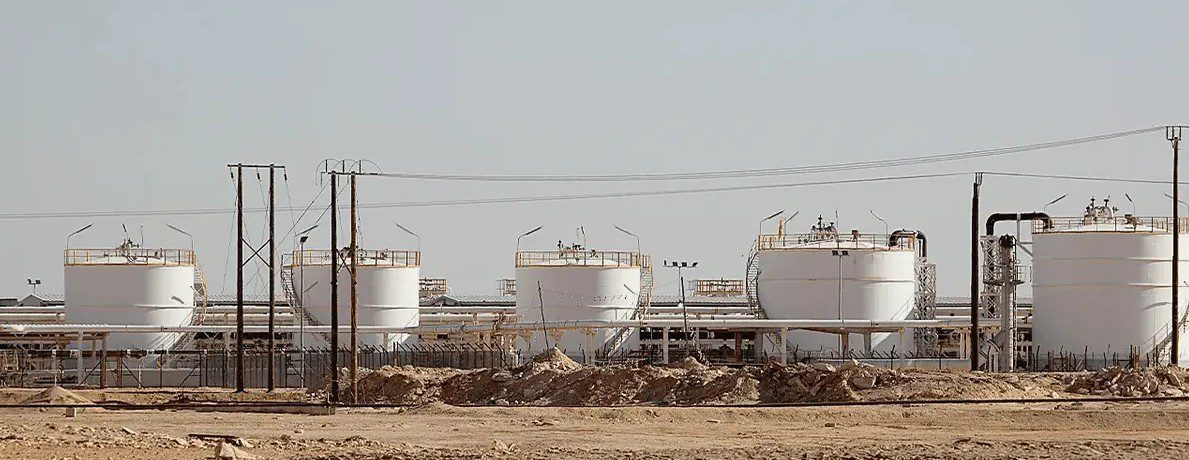
Within hours, missiles and drones were launched at key facilities, including sites linked to the world’s largest liquefied natural gas hub in Qatar.
Saudi Arabia also reported incoming projectiles aimed at its energy infrastructure, with air defence systems intercepting some of the threats.
The strikes mark one of the clearest indications yet that the conflict is shifting toward direct attacks on global energy supply chains.
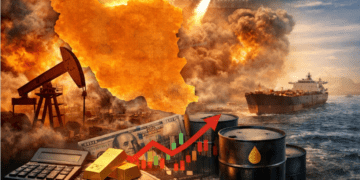
The attacks have sent shockwaves through international markets, with oil prices surging close to $110 per barrel amid fears of prolonged disruption.
Qatar, one of the world’s largest exporters of liquefied natural gas, has already faced disruptions to production, raising concerns about supply shortages in Europe and Asia.
Energy analysts warn that further strikes could destabilize a system that supplies a significant share of the world’s oil and gas.
Iran’s warnings had specifically named energy installations in Saudi Arabia, Qatar and the United Arab Emirates as potential targets.
Facilities such as refineries, petrochemical plants and export terminals are now on high alert, with some evacuations reported around key sites.
Experts say the widening scope of attacks suggests a shift toward what some are calling an “energy war”, where both sides target infrastructure critical to economic survival.
The escalation is already having global consequences, particularly for energy-importing regions.
For countries in Africa, including Nigeria, rising oil prices could translate into higher fuel costs, inflation and increased pressure on household incomes.
The disruption also threatens fertilizer supply chains, which are closely tied to gas production in the Gulf.
With both sides escalating strikes and rhetoric, fears are growing that the conflict could spread further across the region.
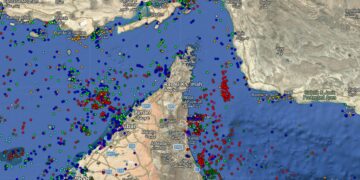
Analysts warn that continued attacks on energy infrastructure, especially around the Strait of Hormuz, a key global shipping route, could trigger even deeper economic shocks.
For now, the situation remains volatile, with the latest strikes underscoring how quickly the conflict is evolving from a military confrontation into a global energy crisis.