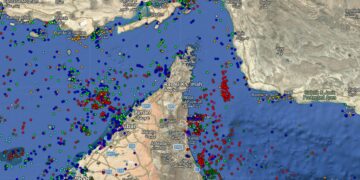

















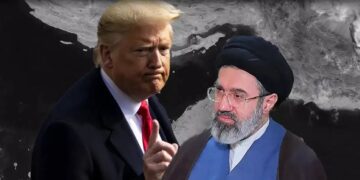

















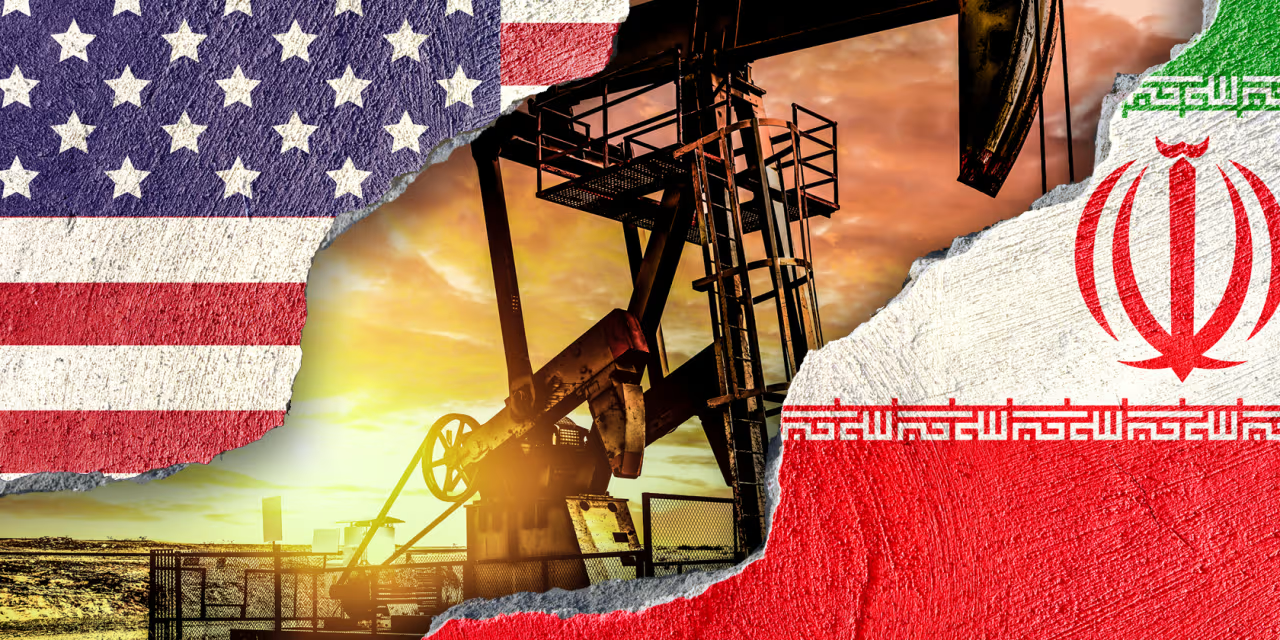


























Major world powers are resisting pressure from Donald Trump to deploy naval forces to reopen the strategically vital Strait of Hormuz, as the escalating war involving Iran, Israel and the United States threatens to widen into a broader international conflict.
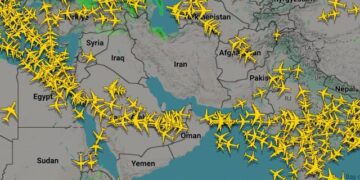
The narrow shipping channel between Iran and the Arabian Peninsula is one of the most critical energy corridors in the world, carrying a significant share of global oil and gas exports. However, tensions in the region have effectively disrupted traffic through the route, triggering fears of rising fuel prices and global supply shocks.
Trump has called on several countries, including the United Kingdom, France, China, Japan, and South Korea—to send naval forces to help secure the shipping lane.
But European governments have so far resisted the request, wary of being drawn directly into the intensifying conflict in the Middle East.
Trump warned that failure by allies to assist could damage the future of NATO, saying it would be “very bad” for the alliance if partners declined to help secure the crucial maritime corridor.
Iran, however, has rejected claims that the strait has been fully blocked.
Speaking to reporters, Abbas Araghchi, Iran’s foreign minister, said restrictions only apply to vessels linked to the United States, Israel and their allies.
The development comes amid reports that at least one oil tanker successfully passed through the strait and is now sailing toward Pakistan, a country Tehran has publicly thanked for showing “solidarity” during the ongoing conflict.
The broader conflict has continued to intensify across several parts of the Middle East.
The Israel Defense Forces said it launched a large wave of airstrikes on multiple Iranian cities, including Tehran, Shiraz, and Tabriz.
At the same time, Israel confirmed it had begun what it described as “limited ground operations” against Hezbollah in southern Lebanon.
Lebanon’s health ministry reported that 850 people have been killed since Israeli strikes began in early March following rocket fire from Hezbollah positions.
In Israel, debris from intercepted projectiles fell across several cities near Tel Aviv, including Rishon LeZion, Lod, Shoham, and Ness Ziona, though authorities reported no casualties.
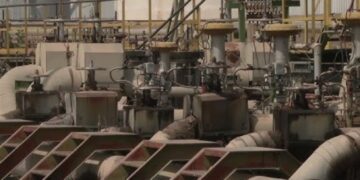
The conflict has also begun affecting Gulf states that host major oil infrastructure.
Officials in the United Arab Emirates said a drone strike triggered a fire at an industrial oil facility in Fujairah, one of the country’s key energy hubs.
Earlier in the day, the UAE reported that six ballistic missiles and 21 drones launched from Iran targeted its territory, temporarily disrupting operations at Dubai International Airport.
Meanwhile, Saudi Arabia said its air defence systems intercepted three drones over the capital, Riyadh, although authorities did not confirm their origin.
The widening conflict has raised alarm among analysts and governments worldwide due to the strategic importance of the Strait of Hormuz.
Nearly one-fifth of the world’s oil supply passes through the narrow waterway each day, meaning any sustained disruption could significantly affect global energy markets.
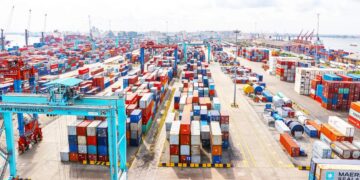
For countries across Africa, including Nigeria, analysts warn that rising fuel costs and supply disruptions could worsen inflation and deepen economic hardship.
As tensions escalate and diplomatic efforts struggle to contain the crisis, the world is increasingly watching whether the conflict will remain regional, or expand into a broader global confrontation.