












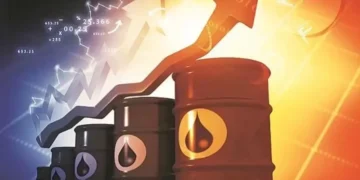











































Fuel prices in Nigeria have surged to record highs despite the full operation of the Dangote Petroleum Refinery, raising fresh concerns about the country’s energy security and exposure to global oil market shocks.
The 650,000 barrels-per-day refinery, the largest in Africa, was expected to reduce Nigeria’s dependence on imported fuel and stabilize domestic prices. Instead, petrol prices have risen by about 65 percent, the highest increase among major African economies, as global oil supply disruptions linked to the Middle East conflict continue to push prices upward.
Industry data shows the refinery has been forced to import large volumes of crude oil from the international market due to limited domestic supply, exposing Nigeria to global price volatility despite being Africa’s largest oil producer.
The supply constraint is largely linked to the financing structure of the Nigerian National Petroleum Company Limited, whose joint-venture crude production is tied to oil-backed loans and pre-export agreements. Analysts estimate that about 400,000 barrels per day of Nigeria’s crude oil production goes toward servicing debts to international oil companies, banks and commodity traders.
As a result, the Dangote refinery is only able to source a limited number of crude cargoes locally each month and must import the rest at international market prices, which have surged due to the ongoing conflict in the Middle East.
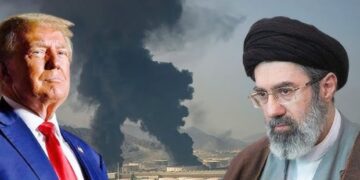
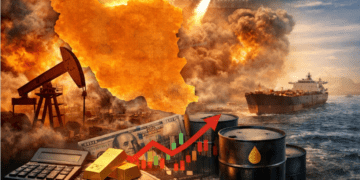
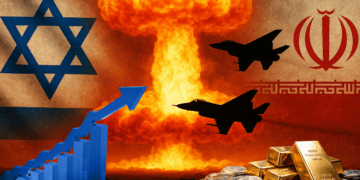
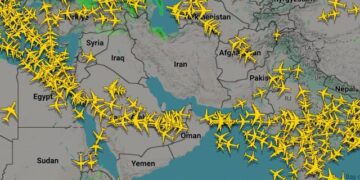
The global energy market has been severely affected by the disruption of shipping through the Strait of Hormuz, a critical route that handles about one-fifth of global oil and liquefied natural gas supply. The disruption has pushed global oil prices to above $100 per barrel, roughly 50 percent higher than before the conflict began.
Energy analysts warn that Nigeria’s lack of a strategic fuel reserve has made the situation worse, leaving the country vulnerable to global supply shocks and price spikes.
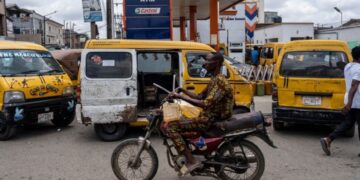
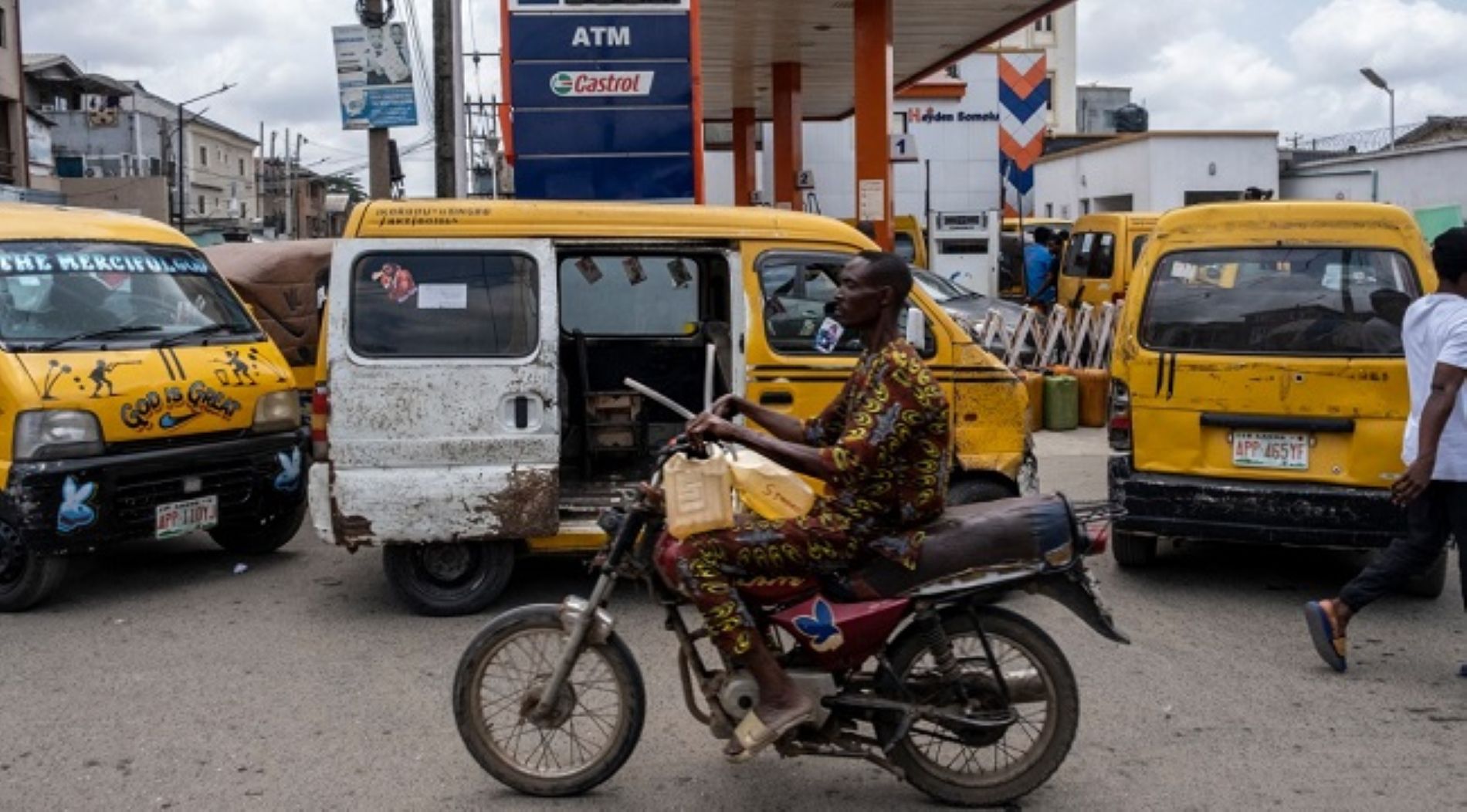
The rising fuel prices are already feeding into inflation across Nigeria. Transport costs and food prices have increased sharply, with small business owners and transport operators reporting falling sales and growing operating costs. Ride-hailing drivers in Lagos recently staged protests over rising fuel costs.
Nigeria’s unreliable electricity supply has also worsened the impact, as millions of households and businesses rely on petrol and diesel generators for power, meaning higher fuel prices quickly translate into higher living costs.
Despite the price increases, the Dangote refinery has increased petrol supply to the domestic market while also meeting growing demand from other African countries. However, the refinery sets its prices based on international crude and fuel benchmarks, including freight and insurance costs, meaning Nigerians still pay market-driven prices.
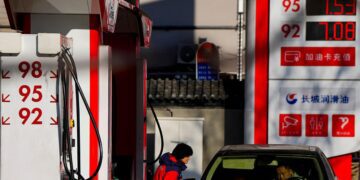
Wholesale petrol prices reportedly rose by about 61 percent in March alone, pushing pump prices to around ₦1,400 per litre in Lagos and Abuja, the highest fuel price Nigeria has ever recorded.
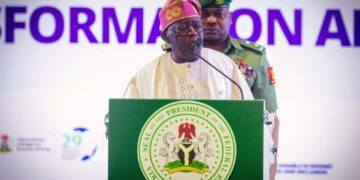
After a recent meeting with President Bola Tinubu, businessman Aliko Dangote warned that the Middle East conflict could worsen economic hardship across Africa if it continues.
Business groups and labour unions have called on the federal government to introduce emergency relief measures, including tax incentives for refiners, increased naira-based crude supply to local refineries, and temporary measures to cushion the impact on citizens.
However, Nigeria’s Minister of Finance, Wale Edun, said the government would not interfere with what he described as an “orderly market pricing system,” indicating that the government is unlikely to reintroduce fuel subsidies but may instead focus on measures to help citizens adjust to higher energy costs.
As global oil markets remain volatile and supply disruptions persist, Nigeria, despite refining its own fuel, still finds itself at the mercy of international oil prices.