











































































In a major move to bolster its commitment to the global energy transition, the Federal Government of Nigeria has announced plans to issue a ₦500 billion Sovereign Green Bond in 2026.
This ambitious financial instrument, the largest of its kind in Africa, is designed to fund critical climate-resilient infrastructure and renewable energy projects across the six geopolitical zones of the country.
The issuance, coordinated by the Debt Management Office (DMO) in collaboration with the Federal Ministry of Environment, aims to bridge the funding gap for Nigeria’s Nationally Determined Contributions (NDCs) under the Paris Agreement.
A significant portion of the funds will be directed toward scaling up the Solar Power Naija project, aimed at providing off-grid electricity to 5 million households, and financing for the Great Green Wall initiative to combat desertification in the North.
This also includes Investment in gas-to-power mass transit systems and electric vehicle (EV) charging infrastructure in major cities like Lagos, Abuja, and Kano.
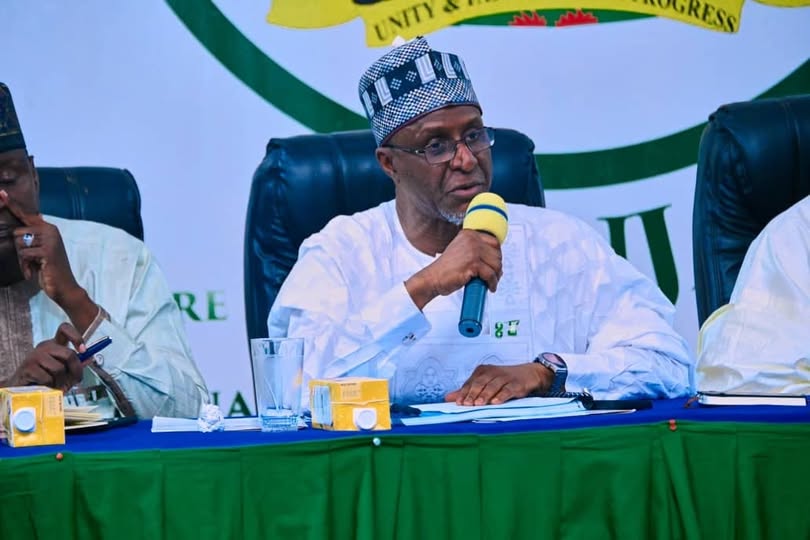
The Minister of Finance and Coordinating Minister of the Economy noted that this bond is not just about environmental protection, but about economic diversification.
“Nigeria is moving away from a mono-product oil economy. This ₦500bn green bond is a signal to the world that we are ready for a sustainable future. It will create thousands of ‘green-collar’ jobs and ensure our infrastructure can withstand the shocks of climate change.” – Minister of Finance, 15 Jan 2026.
The 2026 Green Bond is expected to attract significant interest from international institutional investors who are increasingly mandated to invest in ESG (Environmental, Social, and Governance) compliant projects. By labeling the debt as “Green,” Nigeria expects to secure a lower interest rate compared to traditional Eurobonds, effectively reducing the nation’s debt service burden.
Financial analysts predict the bond will be oversubscribed, given the success of Nigeria’s previous smaller-scale green bonds (issued in 2017 and 2019). The ₦500bn target represents a ten-fold increase in ambition, reflecting the urgency of the climate crisis in the Sahel and the Niger Delta.