





















































The Economic Community of West African States (ECOWAS) has officially declared a “state of emergency” across the sub-region, citing escalating political instability, a surge in military takeovers, and expanding security threats as core challenges.
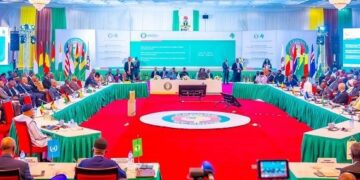
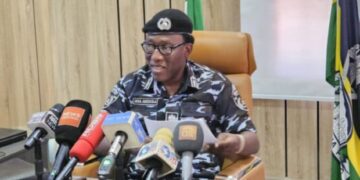
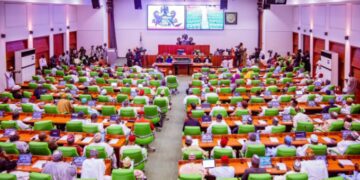
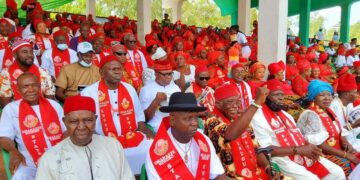
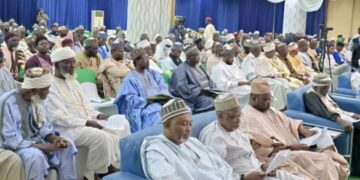
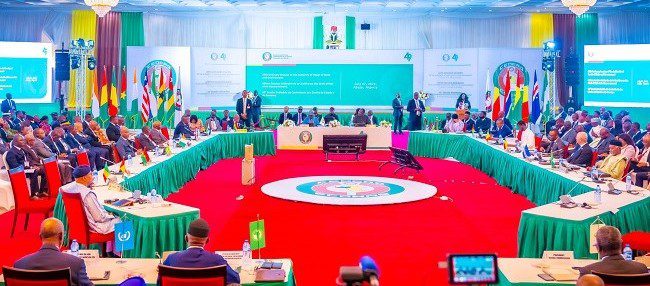
The unprecedented announcement was made today, Tuesday, December 9, 2025, by the President of the ECOWAS Commission, Omar Touray, during the 55th Session of the Mediation and Security Council at the ministerial level in Abuja.
The declaration of a state of emergency signals a collective recognition by the 15-member bloc that the crisis has reached an existential level, demanding immediate and coordinated action.
Touray stated that country-by-country analyses show West Africa currently faces an “average high-risk” security rating.
A decision was precipitated by several factors, including recent events like the successful coup in Guinea-Bissau last month and the foiled coup attempt in Benin Republic just days ago; stalled and controversial transitions in countries like Guinea; elections have becoming a major trigger of instability in communities; and the growing influence of groups in the Sahel, further destabilizing member states.
Furthermore, while the term “state of emergency” is usually applied nationally, its application regionally by ECOWAS signifies a mandate for a tougher, more unified response.
The declaration will facilitate the pooling of resources and intelligence among member states to combat terrorism, banditry, and cross-border crime more effectively.
It strengthens the legal and diplomatic grounds for the bloc to use its tools, including the ECOWAS Standby Force, to protect democratic governments and restore constitutional order where necessary.
This move underscores a definitive shift away from soft diplomacy toward preparing regional security responses and imposing stricter sanctions on military leaders who seize power, particularly given the formation of the rival Alliance of Sahel States (AES) by some coup-led nations.
The ECOWAS meeting is now focused on discussing the operational details and financial commitment required to implement the new emergency response across the region.