










































































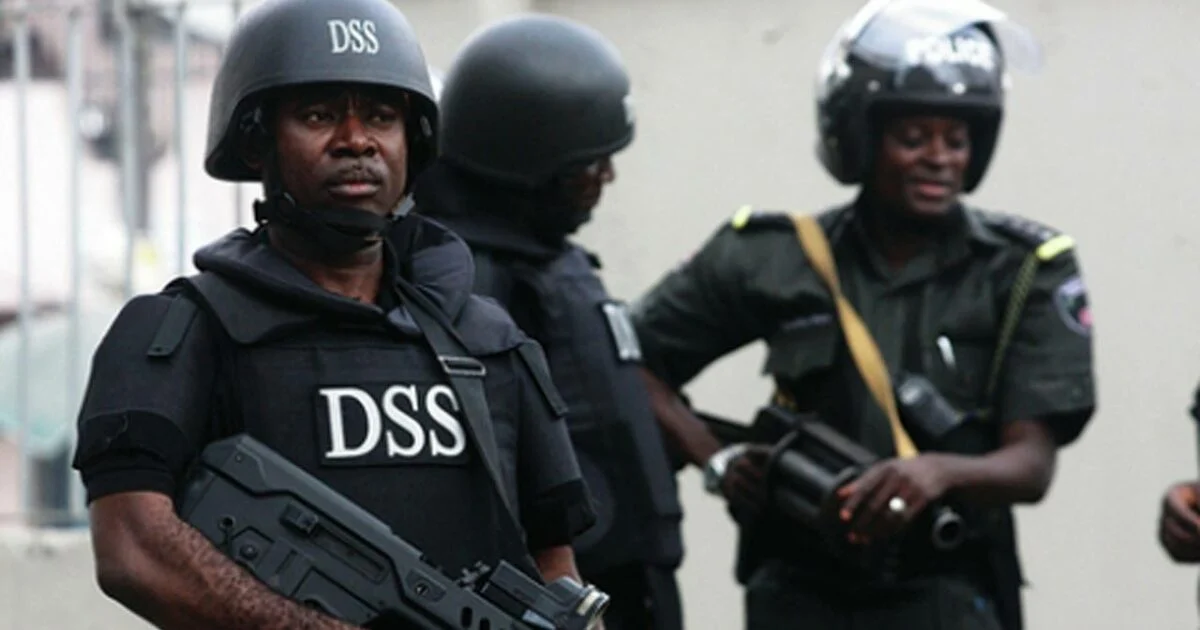
The Department of State Services (DSS) has achieved a significant operational success by arresting a medical practitioner and a key collaborator allegedly responsible for providing continuous medical treatment to wounded kidnappers and armed bandits deep inside the forest reserves of Katsina State.
While this is not the first time such an arrest has occurred, the latest operation is seen as a major blow to the logistical and operational resilience of the criminal networks, exposing a critical link between the formal sector and the bandit economy.
The arrest confirms a long-held suspicion by security agencies that the prolonged survival of bandit groups is facilitated by an underground network of informants and specialized service providers, including medical personnel.
The arrest reportedly took place following an intensive DSS intelligence operation within the Safana Local Government Area of Katsina State, a notorious flashpoint for banditry.
The medical practitioner, whose name has been withheld pending further investigation, is believed to be a licenced medical doctor who regularly ventured into the forest to treat gunshot wounds and other serious injuries sustained by bandits during military clashes.
A second suspect was arrested, reportedly acting as a supplier of essential medical commodities, including antibiotics, pain relievers, surgical dressings, and high-quality sutures, which are typically difficult for criminals to acquire without formal contacts.
The DSS is reported to have recovered significant quantities of medical supplies, including trauma kits and specialized surgical equipment, believed to have been used in the forest hideouts.
This type of arrest is viewed by the security community as a high-value asset acquisition, because it targets a core operational vulnerability of the bandit groups such as, neutralizing the medical support, the DSS disrupts the bandits’ ability to recover quickly from encounters with troops, forcing them to spend longer periods incapacitated or seeking risky treatment in vulnerable communities.
The captured suspects are expected to provide invaluable intelligence regarding the specific locations of the bandit camps, the names of other collaborators (including possible official complicity), and the supply routes for weapons and logistics.
The arrest reignites the ethical debate around the medical profession’s duty of care versus the legal requirement to report criminals. In this case, the doctor’s actions are clearly defined as criminal conspiracy and aiding terrorism under Nigerian law.
The suspects have been transferred to a high-security facility for intense interrogation to uncover the full extent of the medical-bandit network.