












































































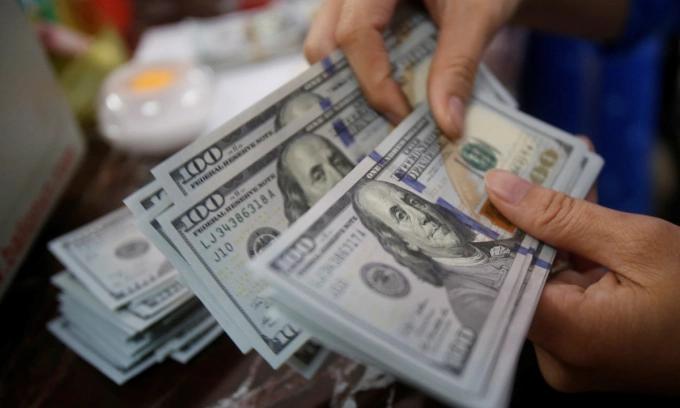
The U.S. dollar eased on Friday after climbing to two-week highs, retreating as investors pared back safe-haven positions and returned cautiously to riskier assets following a sharp market selloff earlier in the week.
The greenback had benefited from heightened risk aversion triggered by worries over a renewed surge in artificial intelligence-related capital spending, which rattled equity markets and boosted demand for defensive currencies. However, sentiment improved as stocks rebounded, prompting some profit-taking on the dollar.
Against a basket of major currencies, the dollar index edged lower, though it remained on track for weekly gains, supported by expectations that U.S. interest rates will stay higher for longer. Traders continue to weigh strong U.S. economic data against growing uncertainty over global growth prospects.
Risk-sensitive currencies such as the Australian and New Zealand dollars recovered modestly, while the yen remained under pressure as investors maintained carry trades amid persistently low Japanese yields.
Markets are now turning their focus to upcoming U.S. economic indicators and central bank commentary for clues on the timing of potential rate cuts, with volatility expected to remain elevated as investors reassess valuations following the recent tech-driven swings.