














































































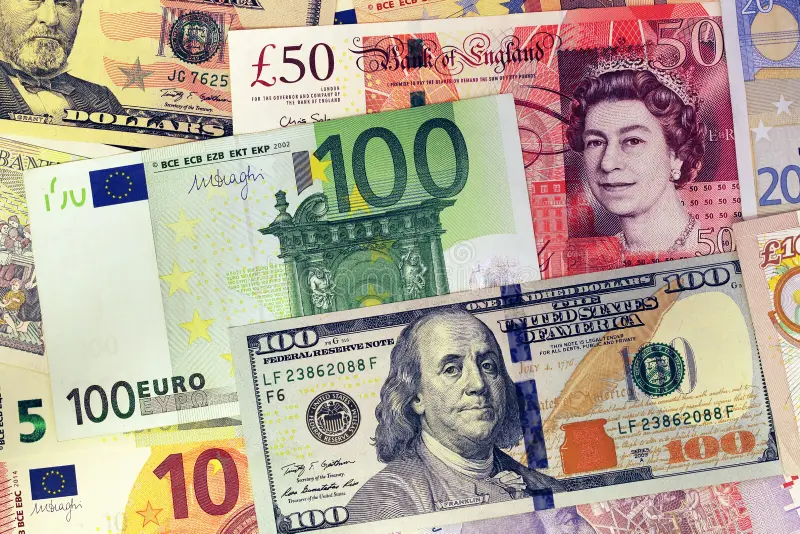
The financial curtain is closing on 2025 with a dramatic reshuffling of the global currency pecking order. On the final trading day of the year, Wednesday, 31 December 2025, the U.S. dollar is heading for its worst annual performance since 2017, while the Euro and British Pound emerge as the year’s unexpected “top performers.”
The Greenback’s slump is a nearly 9.5% decline over the last 12 months, marks a sharp reversal of a 15-year bull cycle, driven by domestic fiscal worries and a shift in Federal Reserve policy.
After starting 2025 with bullish momentum, the U.S. Dollar Index (DXY) cratered as the year progressed. Analysts point to a “perfect storm” of factors:-
To stave off a labour market slowdown, the Federal Reserve slashed interest rates to a range of 3.75%–4.00%, with more cuts projected for 2026.
Volatile trade policies and tariff threats under the Trump administration created a “risk-off” sentiment toward U.S. assets, prompting investors to diversify.
More so, the growing concerns over the U.S. national debt and the independence of the Federal Reserve (with a new Chair appointment looming in January) kept the “sell-dollar” trade firmly in place since April.
In a striking contrast, European currencies capitalized on the dollar’s weakness, posting their biggest yearly gains in eight years.
The Euro (EUR) surging 13.5% in 2025, benefited from a “safe-haven” rotation. Investors flocked to Euro-denominated assets as Germany’s fiscal stimulus bolstered growth outlooks. The Euro ended the year steady at approximately $1.17.
On the other hand, the Pound (GBP) despite domestic “sticky” inflation, gained 7.6% against the dollar, closing the year at roughly $1.34. The Bank of England’s relatively “hawkish” stance compared to the Fed provided a sturdy floor for the currency throughout the second half of the year.
While the dollar fell against almost everything else, the Japanese Yen (JPY) remained surprisingly flat. Despite two interest rate hikes by the Bank of Japan (BoJ) in 2025 (bringing rates to 0.75%), investors were underwhelmed by the slow pace of tightening.
The yen ended the year near 156 per dollar, failing to reclaim its traditional safe-haven status as aggressive fiscal spending by the new Takaichi administration weighed on investor confidence.
2025 Currency Performance at a Glance:
| Currency | 2025 Performance vs. USD | Key Driver |
| Euro (EUR) | +13.5% | Safe-haven flows & German fiscal support |
| British Pound (GBP) | +7.6% | Relative rate advantage (Hawkish BoE) |
| Chinese Yuan (CNY) | +4.0% | Broke below 7.0/USD; policy support |
| Japanese Yen (JPY) | Flat (~0%) | Slow BoJ hikes & fiscal debt concerns |
| US Dollar Index (DXY) | -9.5% | Rate cuts, tariffs & fiscal uncertainty |
Notably, Goldman Sachs and MUFG strategists have also suggested that the “sell-dollar” trend may extend into early 2026.
However, much depends on the Russia-Ukraine peace talks brokered by the U.S. administration; any breakthrough could further boost the Euro, while a setback could revive the dollar’s “haven” appeal.