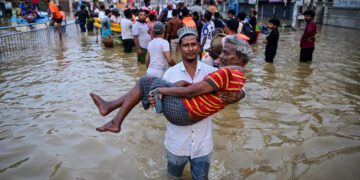








































































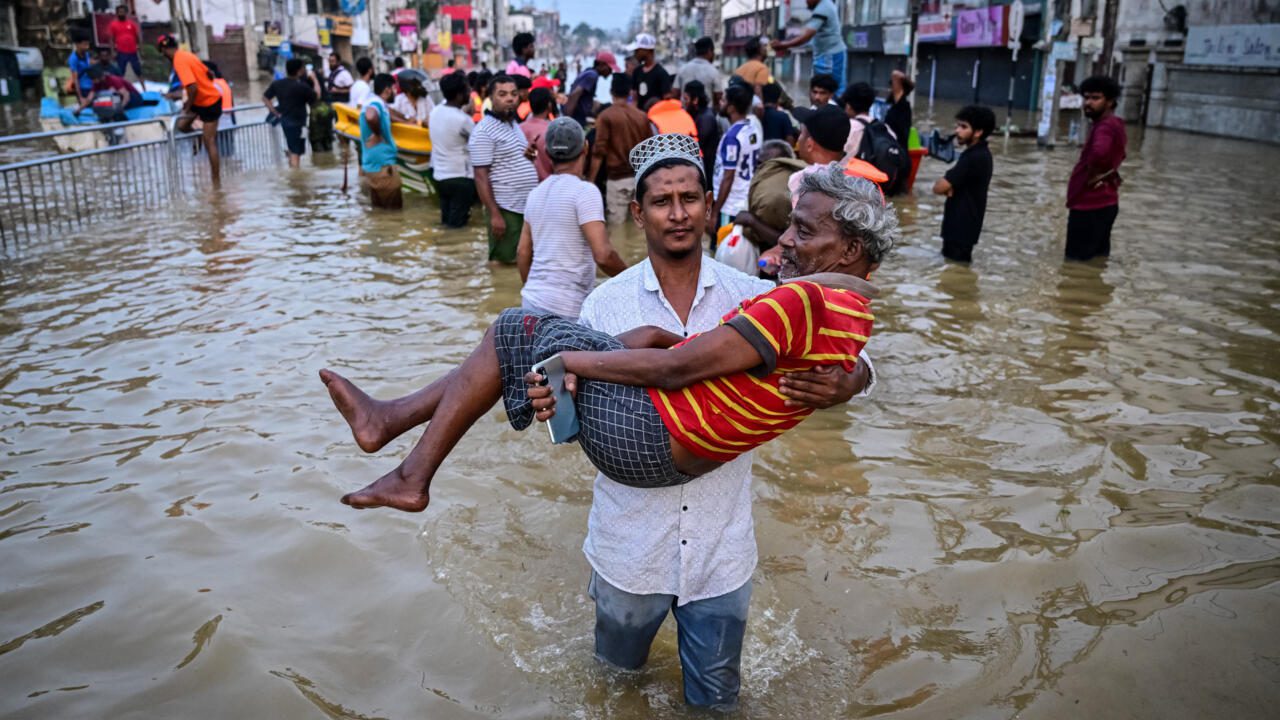
The devastating series of floods, landslides, and cyclones that have ravaged South and Southeast Asia over the past two weeks is now officially confirmed to be one of the region’s deadliest natural disasters of 2025, with the death toll across several countries surpassing 1,200 people and hundreds more still missing.
The latest update confirms that the scientific consensus is hardening: the events are not random weather phenomena but a direct and predictable consequence of a “turbocharged” global climate.
The severity of the crisis, fueled by an unusual convergence of extreme weather systems, has prompted urgent calls for both climate action and improved disaster preparedness.
As of 03 December 2025, deaths have topped 1,200 across the hardest-hit countries: Indonesia (over 700 dead), Sri Lanka (over 366 dead), and Thailand (over 260 dead). Over 1.5 million people have been affected, and hundreds of thousands have been displaced in what Sri Lanka’s President called the “most challenging natural disaster in our history.”
Scientists from the World Meteorological Organization (WMO) and the IPCC have issued unified warnings, stating that a warmer atmosphere holds about 7% more moisture per degree Celsius of warming, leading to cyclones and monsoons that are “wetter and more destructive” than their historical counterparts. Water, not wind, is now the main driver of disaster.
Experts, including those from the Indian Institute of Tropical Meteorology, insist that the increased intensity and unpredictability of these events, such as the rare formation of Tropical Cyclone Senyar in the Malacca Strait, mean that this level of punishing weather must be regarded as the “new normal” for the region.
The impact has been compounded by non-climate factors. Officials in Indonesia are investigating whether widespread illegal deforestation and poor land management exacerbated the landslides and compounded flood damage, with reports showing significant forest cover loss in the hardest-hit provinces.
The International Federation of Red Cross and Red Crescent Societies (IFRC) and UNICEF are reporting massive humanitarian needs, with millions of children affected, and essential services like water and healthcare severely disrupted by damaged infrastructure.
The disaster has become a powerful, real-time warning that Asia, which is warming nearly twice as fast as the global average, must urgently pivot its focus from disaster response to structural adaptation and preparedness.