









































































By TheLink News International Desk
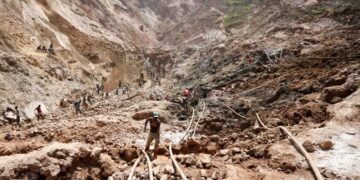
At least 200 people are dead, and many more remain missing after a catastrophic landslide collapsed several artisanal mining pits at the Rubaya coltan mine in North Kivu province, eastern Democratic Republic of Congo (DRC), officials and local sources said.
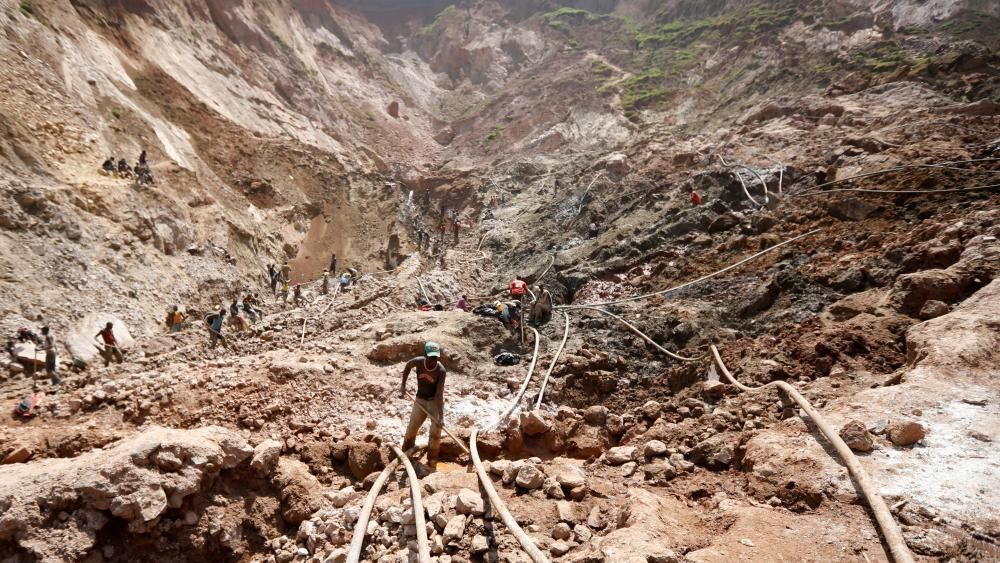
The disaster occurred on Wednesday, 28 January 2026, when heavy rains triggered the collapse of hand-dug mining tunnels and pits in the remote coltan mining area west of Goma. The site, known for producing a significant portion of the world’s coltan, a mineral critical for electronics and aerospace technologies, is largely informal and unregulated, with workers digging deep pits without reinforced structures or safety measures.
Rebel authorities and the regional communication ministry reported that more than 200 bodies have been recovered from the debris, with the confirmed death toll rising to at least 227 according to one provincial official with knowledge of the count. Officials emphasized that the final casualty figure could climb as recovery teams continue to dig through the mud and rubble.
Several injured survivors have been taken to health facilities in Rubaya, with some transferred to hospitals in Goma for further treatment. Search and rescue operations are ongoing, although challenging conditions and unstable terrain have hampered efforts.
The mine’s tunnels are largely hand-excavated and poorly constructed, making them highly vulnerable to collapse, especially during the region’s rainy season, when soil becomes water-logged and unstable. Local miners said many pits run parallel to one another, meaning a failure in one can trigger a cascade of falls across an entire section of the site.
A former miner, Clovis Mafare, was quoted estimating that as many as 500 people can work within a single pit system, underscoring the scale of exposure to risk at such informal operations.
The Rubaya mine has been under the control of the M23 rebel group since April 2024, when the armed faction seized key territory in North Kivu amid an ongoing conflict with the Congolese government. The group has imposed taxes on coltan production and transport, reportedly generating substantial revenue from the mineral trade.
The Congolese government expressed solidarity with the victims’ families and described the loss of life as a “massive tragedy.” Authorities also accused the occupying rebel force of failing to enforce basic safety standards at the mine, allegations the M23 has rejected, accusing the government of politicizing the disaster.
Rubaya’s coltan deposits are globally significant, producing an estimated 15–30% of the world’s supply of the mineral used in mobile phones, computers, and aircraft components. The disaster highlights the intersection of natural hazards, unregulated mining practices, and ongoing conflict in eastern Congo, contributing to one of the largest humanitarian crises in Africa.
International aid groups warn that displaced families and mining communities are now vulnerable to food insecurity, loss of livelihood, and psychological trauma amid limited access to emergency services in the area.
Experts and advocacy groups are calling for improved safety standards in artisanal mining, stronger regulation, and investment in safer mining practices to prevent similar tragedies, particularly in conflict-affected areas where governance is weak.
For now, families of the deceased and the missing await fuller accounting, as the region grapples with the human toll of one of the deadliest mining disasters in recent memory.