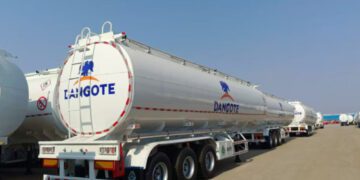










































































In a dramatic move set to intensify competition in Nigeria’s deregulated petroleum market, the Dangote Petroleum Refinery has announced a major reduction in its ex-depot price for Premium Motor Spirit (PMS), commonly known as petrol, slashing the rate from ₦828 to ₦699 per litre.
This massive reduction of ₦129 per litre, a cut of over 15 per cent, is effective immediately and marks the most significant downward adjustment by the refinery this year, signaling the facility’s commitment to undercutting imported fuel and bringing domestic prices down.
The decision by the Dangote Refinery, the single largest refinery in Africa, directly affects the pricing structure for marketers nationwide.
The new price of ₦699 per litre is the cost at which marketers can load the product from the refinery gantry. This price is significantly lower than the current loading cost from most other private depots and the Nigerian National Petroleum Company Limited (NNPCL).
With the ex-depot price at ₦699, independent marketers are expected to retail petrol at the pump for approximately ₦750 to ₦780 per litre in most parts of the country, depending on transportation costs and local operating margins. This is a substantial reduction from the current national average retail price, which sits between ₦915 and ₦937 per litre.
Sources close to the refinery indicate that the price cut is a strategic response to global crude oil market stability and a deliberate effort to keep domestic prices “reasonable and competitive,” thereby directly challenging the pricing of imported fuel and fulfilling Aliko Dangote’s promise to maintain long-term, stable pricing.
The price cut provides timely relief for Nigerian consumers who have grappled with high transport costs and inflation since the removal of the fuel subsidy in 2023.
Lower fuel costs are expected to ease the cost of logistics and transportation, potentially leading to a slight deceleration in the country’s high inflation rate.
The new price significantly reduces the incentive for fuel smuggling across Nigeria’s borders, as the local price gap with neighboring countries widens, making the smuggling business less profitable.
The move reinforces the refinery’s pivotal role in stabilizing the Nigerian economy and ending the country’s reliance on imported petroleum products.