










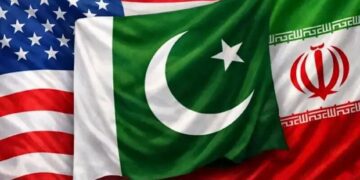








































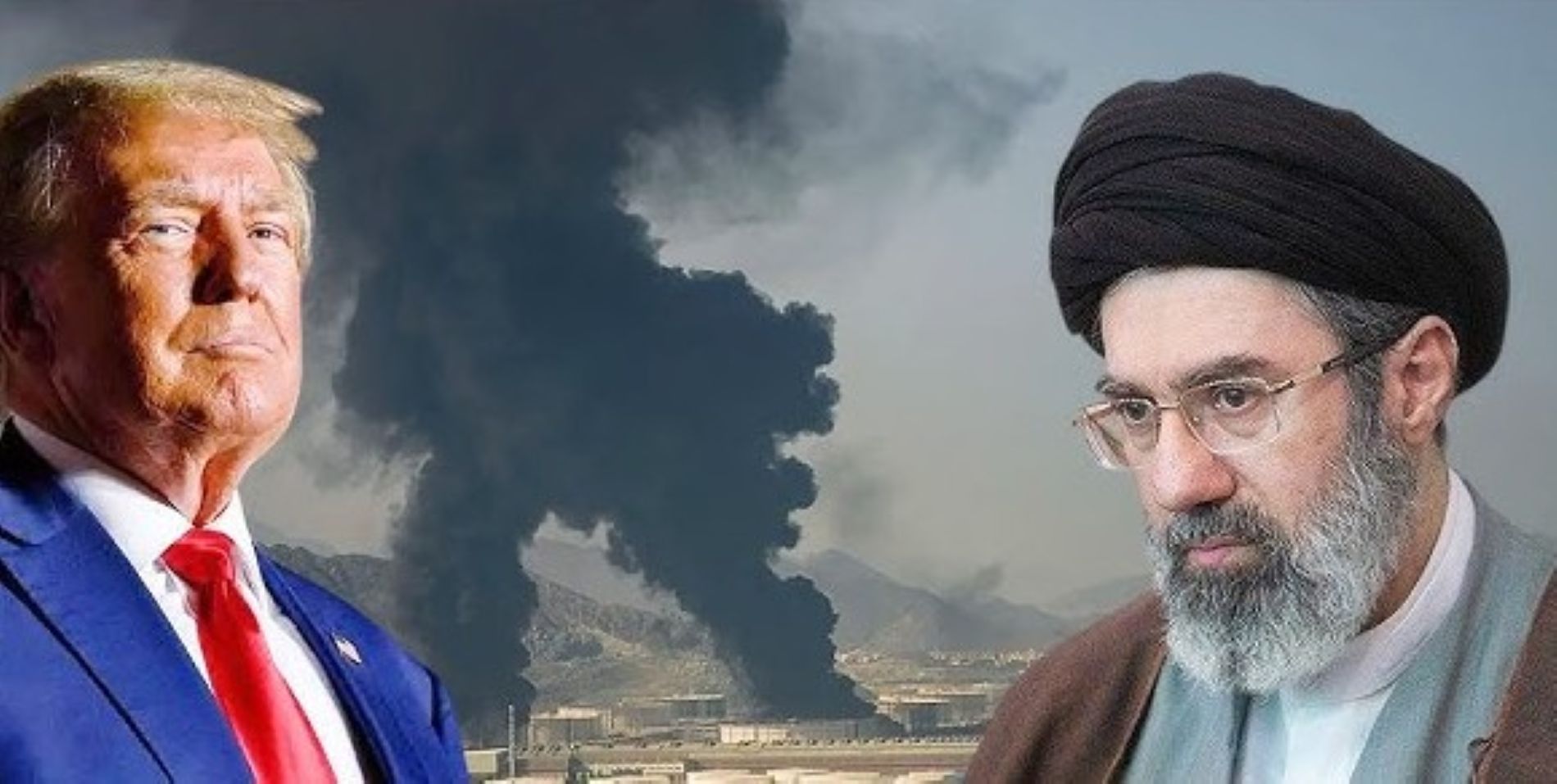
Conflicting statements from United States and Iran have deepened uncertainty over possible peace talks, as the ongoing Middle East conflict continues to shake global markets and raise fears of further escalation.
U.S. President Donald Trump said on Monday that Washington had held “very good” discussions with Iranian representatives, suggesting that both sides were open to a deal that could ease tensions.
“We want to make a deal, and they want to make a deal,” Trump reportedly said, hinting at possible diplomatic progress after he abruptly shelved plans for further strikes on Iranian infrastructure.
Iran dismisses claims as ‘fake news’
However, Iran swiftly rejected the claims, with its parliament speaker, Mohammad Bagher Ghalibaf, denying that any negotiations had taken place.
“No negotiations have been held with the US, and fake news is being used to manipulate financial and oil markets,” Ghalibaf said in a post on X.
He accused Washington and its allies of spreading misinformation to distract from mounting pressure in the conflict involving Israel.
Conflicting reports emerge
Adding to the confusion, U.S. media reports suggested that talks may have taken place through indirect channels. An Axios report, citing an Israeli official, even claimed that Ghalibaf himself may have been involved in the discussions, an assertion Tehran has not confirmed.
Meanwhile, Iran’s foreign ministry spokesperson, Esmaeil Baqaei, acknowledged that messages had been received from “friendly countries” indicating that the U.S. was seeking negotiations to end the war.
This suggests that while formal talks may not have occurred, backchannel diplomacy could be underway.
War pressures both sides
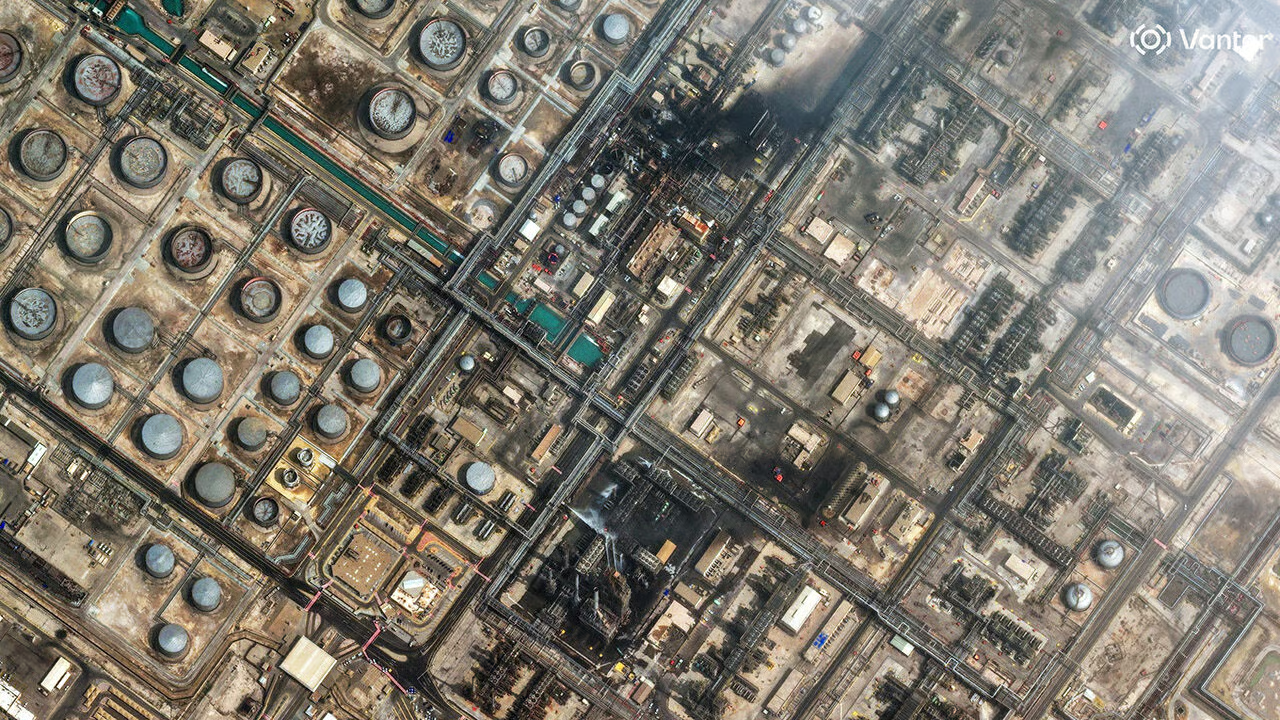
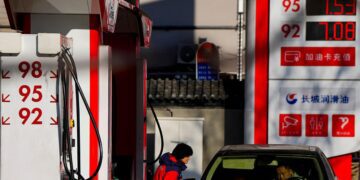
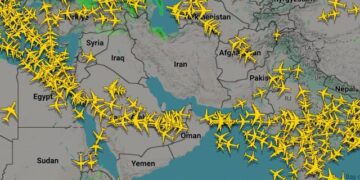
The mixed signals come as the conflict continues to disrupt global oil supplies, especially through the Strait of Hormuz, a critical artery for energy exports.
Rising oil prices and mounting economic pressure are believed to be pushing both sides toward exploring diplomatic options, even as military operations continue.
Global implications
Analysts say the uncertainty surrounding potential talks is already affecting global markets, with investors reacting to every new statement from Washington and Tehran.
For countries in Africa and other developing regions, the situation remains particularly concerning, as prolonged instability in the Middle East could worsen fuel prices, inflation, and cost-of-living pressures.
Uncertain path forward
Despite Trump’s optimism, Iran’s firm denial highlights the deep mistrust between both nations, raising doubts about how close any real negotiations might be.
For now, the possibility of a diplomatic breakthrough remains unclear, but with economic and military pressures mounting, the world will be watching closely for any sign of genuine dialogue.