






















































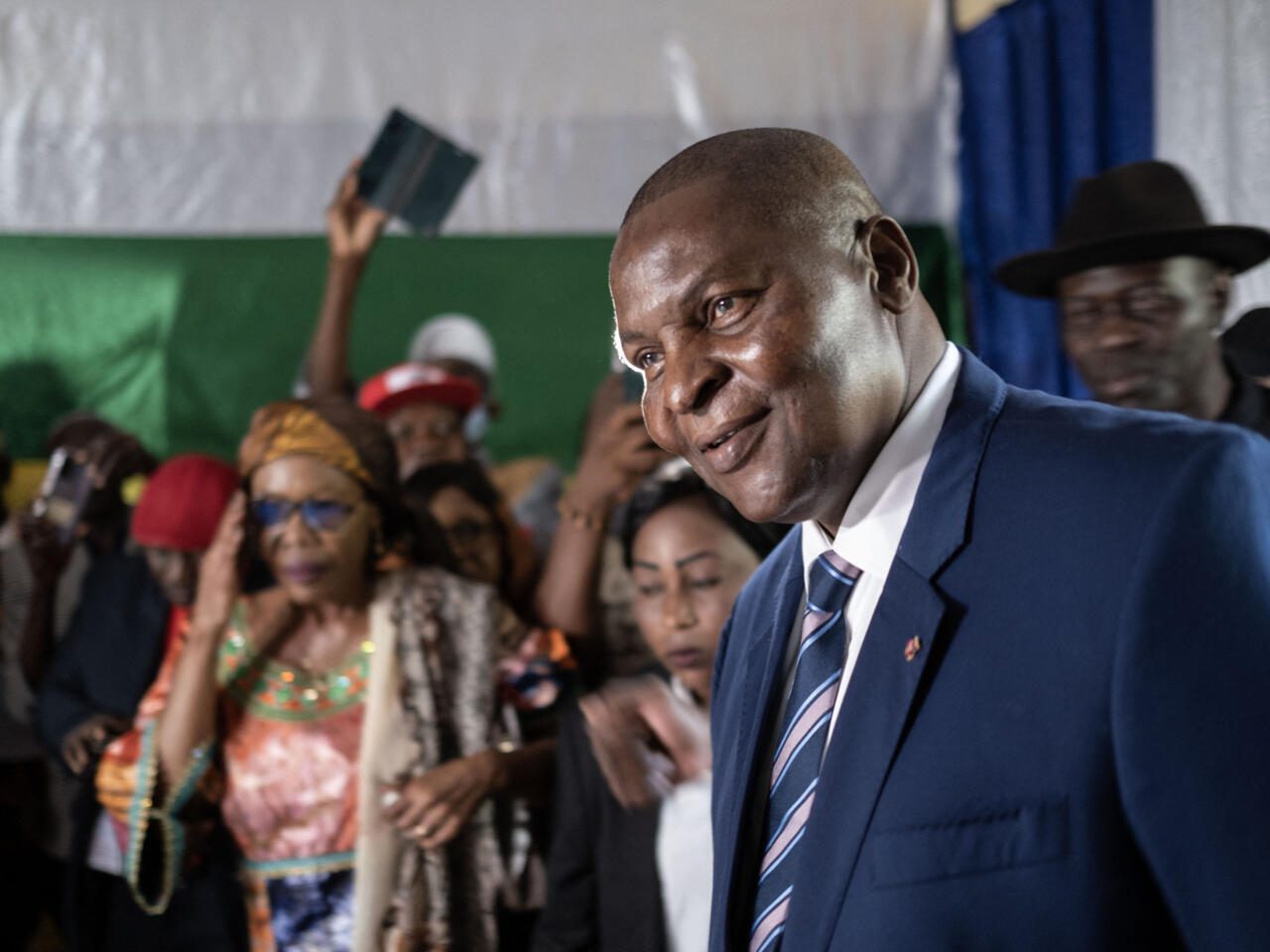
Citizens of the Central African Republic (CAR) have joined their counterparts in Guinea by heading to the polls today, Sunday, 28 December 2025. This massive “quadruple election” sees over 2.3 million registered voters casting ballots for a new President, the National Assembly, and, for the first time in nearly 40 years, regional and municipal representatives.
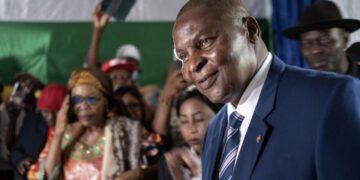
The incumbent, Faustin-Archange Touadéra, is the heavy favorite to secure a third term, a bid made possible by a controversial 2023 constitutional referendum that scrapped term limits and extended the presidential mandate from five to seven years.
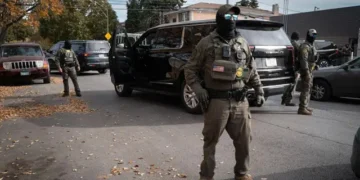
The election is being closely watched as a litmus test for Russian influence in the Sahel and Central Africa. Thousands of Russian Africa Corps (formerly Wagner) contractors are patrolling the streets of Bangui and guarding polling stations alongside UN peacekeepers (MINUSCA) and Rwandan troops.
The vote comes amid reports of internal Russian friction, as the Kremlin pushes to replace the “private” Wagner structure with the state-run Africa Corps, a move Touadéra has reportedly resisted to maintain his personal security arrangements.
Out of the initial pool of candidates, the Constitutional Court cleared seven to run. The main challengers to Touadéra’s United Hearts Movement (MCU) include; Anicet-Georges Dologuélé (URCA), a former Prime Minister and two-time runner-up (2015, 2020). He is the most prominent opposition figure on the ballot; and Henri-Marie Dondra (UNIR), another former Prime Minister who previously served under Touadéra before breaking away to lead the opposition.
A significant portion of the opposition, including the Democratic Opposition Coalition (COD-2020), has called for a boycott, labeling the election a “sham” designed to install Touadéra as “President for life.”
While the capital, Bangui, remained largely calm today, the situation in the provinces is more fragile, severe flooding and “impassable roads” meant some rural areas only received ballot boxes via UN helicopters just hours before voting began.
Despite the presence of mercenaries, rebel groups under the Coalition of Patriots for Change (CPC) still control or influence significant corridors in the east and north, potentially disenfranchising thousands of voters.
Furthermore, provisional results from Bangui are expected by 31 December 2025, as the National Elections Authority (ANE) aims to announce the full provisional results by early January 2026.
Hence, the nation’s Constitutional Court has until mid-January to certify the final winner.