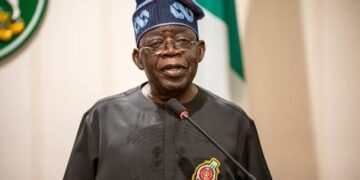


































































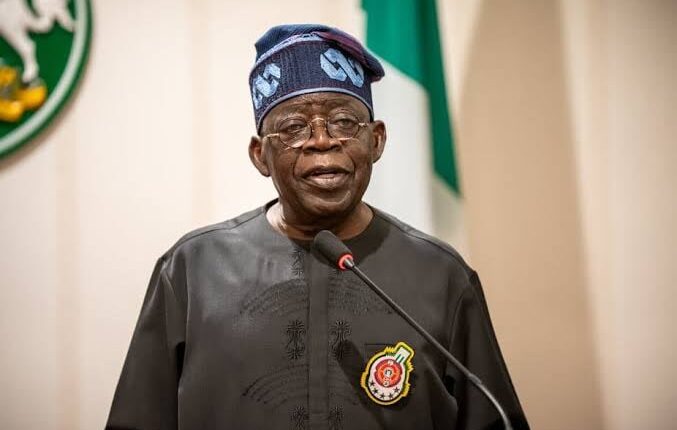
The ruling All Progressives Congress (APC) has swiftly moved to shield President Bola Tinubu’s latest list of ambassadorial nominees from fierce opposition scrutiny, with a key party platform insisting that the appointments are a reflection of “sound judgment,” “merit,” and “national interest,” and not mere political compensation.
The APC Media Network, a communications platform of the ruling party, issued a scathing counter-statement following the weekend’s public outcry from opposition parties, notably the Peoples Democratic Party (PDP) and the African Democratic Congress (ADC), who labelled the list “scandalous” and accused the President of rewarding controversial political allies.
The Controversial Line-up
President Tinubu forwarded a list of 32 nominees to the Senate on Saturday, including several highly polarizing figures such as:
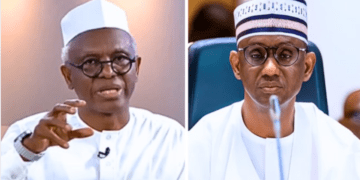
- Prof. Mahmood Yakubu: Immediate past Chairman of the Independent National Electoral Commission (INEC).
- Chief Femi Fani-Kayode: Former Minister of Aviation and prominent political commentator.
- Reno Omokri: Former Presidential Aide and staunch supporter of the administration.
- Former Governors Ifeanyi Ugwuanyi and Victor Okezie Ikpeazu.
The opposition particularly zeroed in on the nomination of Prof. Yakubu, arguing it was an “excellent exemplar of a skewed reward system” and threatened the credibility of Nigeria’s electoral institutions.
The Director-General of the APC Media Network, Iniobong John, dismissed the opposition’s condemnation as “misguided and ill-tempered,” rooted in bitterness over electoral losses.
“To set the record straight, all the nominees are eminently qualified in character, competence, and experience,” the statement read in part. “President Tinubu made his selections with due regard to merit, national interest, and Nigeria’s diplomatic needs. Only a party drowning in internal conflict, like the PDP, would interpret merit as scandal.”
The group further defended Prof. Yakubu’s inclusion, noting his decades of professional and administrative expertise made him suitable for public service, adding that the opposition’s attack only reflected “lingering frustrations over electoral losses they have refused to accept.” The APC reiterated that the presidential prerogative to appoint ambassadors is constitutional and the choices are designed to elevate Nigeria’s foreign policy objectives.
However, the defense put up by the APC, while politically necessary, fails to address the core ethical issue raised by the nominations, which is the perception of reward for electoral service because regardless of their individual experience, the inclusion of a former INEC Chairman barely two years after a fiercely disputed election, alongside figures known primarily for partisan political warfare, fundamentally undermines the diplomatic intent.
Many political analysts have also argued that diplomacy requires representatives who command credibility and neutrality, particularly in Western capitals where democracy and anti-corruption indices are heavily monitored.
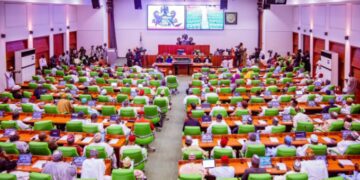
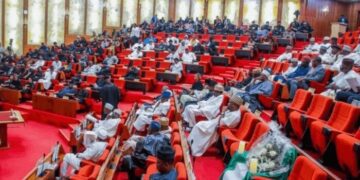
More so, while the President has the constitutional power (prerogative) to nominate, the Senate has the duty of confirmation. This is where the political calculus will be tested against democratic ethics. The Senate would be expected to determine whether rewarding political loyalty with key diplomatic posts, at a time when Nigeria’s image urgently requires repair, truly serves the national interest above party politics.
Notable, the appointments come over two years after the recall of all envoys, leaving a massive vacuum in Nigeria’s foreign missions. The urgency of filling these posts will likely be leveraged by the APC to push the nominees through, arguing that the need for substantive envoys outweighs the political optics.
This list is a quintessential Tinubu maneuver: a bold, unapologetic mix of career diplomats and political loyalists designed to serve both the state’s need for representation and the party’s need for patronage. The coming Senate screening will determine if national image or political debt holds greater weight.