








































































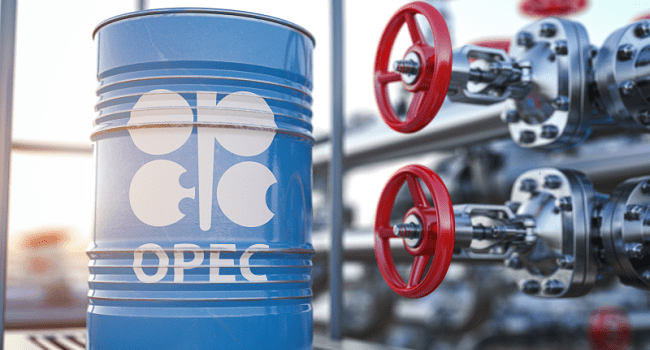
In a landmark decision aimed at enhancing transparency and directly incentivizing investment among member states, the Organization of the Petroleum Exporting Countries and allies (OPEC+) on Sunday, November 30, 2025, approved a new mechanism to determine production quotas based on Maximum Sustainable Capacity (MSC).
The reform is considered a major recalibration of the group’s long-term quota structure, effective from 2027 onwards.
The new system moves away from politically charged negotiations and towards a more objective, technical assessment of each member’s actual production capabilities.
MSC is defined as the “average maximum number of barrels a day of crude oil that can be produced within 90 days and can be sustained continuously for one full year, including all planned maintenance activities.”
The production capacity for most of the 22 OPEC+ members will be assessed annually by an independent, reputable third-party auditor, starting in January 2026.
The resulting MSC figure will be used as the baseline for setting individual country output targets starting in 2027. Quotas will represent an equal percentage cut or share of this assessed capacity.
Saudi Energy Minister Prince Abdulaziz bin Salman stated that the new mechanism will help stabilize markets and, crucially, “reward those who invest in their upstream”—a clear signal to members to prioritize capital expenditure.
For Nigeria, which has historically struggled with production shortfalls and quota disputes, the new system presents both a challenge and a major opportunity:
The system directly benefits countries like Nigeria that are currently undertaking aggressive investment drives, such as the newly launched 2025 Oil Licensing Round to attract $10 billion. If Nigeria successfully executes its plan to boost production to its full technical potential, its future quota will increase proportionally.
Nigeria has frequently sought a higher quota (aiming for 2.0 million bpd by 2027, up from the current 1.5 million bpd quota) despite often failing to meet its existing target due to oil theft and infrastructure decay. The new system essentially forces Nigeria to first prove its sustained capacity before it is allocated a higher quota for 2027.
Aligning the quota with a technically verified MSC could restore Nigeria’s credibility within the alliance, resolving past issues where actual production lagged behind its assigned quota.
For the immediate term, OPEC+ ministers also confirmed that oil output levels will remain unchanged for the first quarter of 2026, citing seasonal demand weakness.