

























































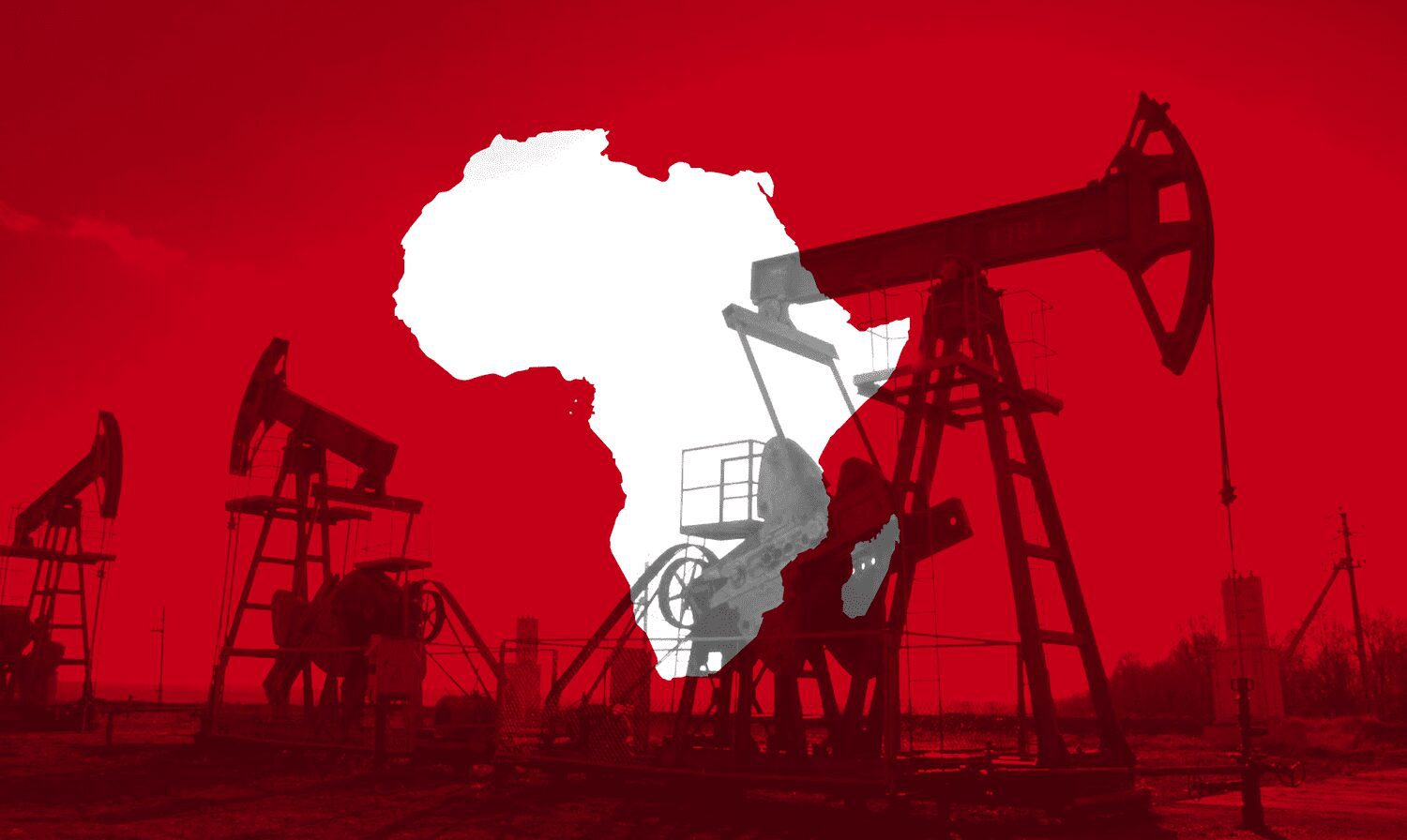
In a move targeted at the continent’s energy sector, the African Energy Bank (AEB) has officially rolled out its first phase of funding, mobilizing $10 billion to kickstart priority projects in Nigeria, Angola, and Libya.
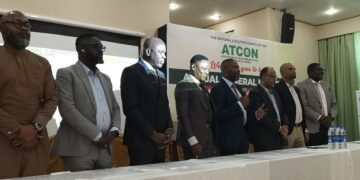
Announced during the 9th Nigeria International Energy Summit (NIES) 2026 in Abuja, the initiative marks the operational debut of a financial institution designed to shield Africa from the withdrawal of global funding for fossil fuel projects.
The First Phase: Focus and Financing
The $10 billion first-phase rollout is part of a broader roadmap presented by Farid Ghezali, the Secretary-General of the African Petroleum Producers’ Organisation (APPO). This phase focuses on:
* Target Countries: Nigeria (the host country), Angola, and Libya.
* Sector Scope: Integrated development across the upstream, midstream, and downstream sectors.
* Strategic Goal: Revitalizing stalled energy projects, enhancing regional energy security, and reducing energy import costs by up to 30%.
* Key Partners: The project is supported by APPO and major International Oil Companies (IOCs) including Shell and Eni, signaling a bridge between indigenous capital and global expertise.
The “Abuja Pact” and Institutional Launch
The bank is headquartered in Abuja, Nigeria, following a competitive bidding process where Nigeria beat out other contenders like Ghana and South Africa. On February 3, 2026, the Nigerian government formally handed over the bank’s fully furnished headquarters to APPO and Afreximbank.
The bank is scheduled to be fully operational by May or June 2026, under a collective commitment known as the “Abuja Pact.” This pact aligns member nations toward the goal of making the AEB a “financial hub” that will eventually mobilize $200 billion by 2030.
Why the AEB Matters
For decades, African oil and gas projects have relied heavily on Western commercial banks. As global financial institutions pivot toward “green” energy and divest from hydrocarbons, African nations have faced a massive “financing gap”—estimated at over $30 billion annually.
The AEB serves several critical functions:
* Energy Sovereignty: It allows African nations to continue exploring “God-given resources” (as phrased by Nigeria’s Petroleum Minister, Heineken Lokpobiri) without external political pressure.
* Job Creation: Phase 1 alone is projected to create over 500,000 direct jobs across the participating nations.
* Sustainable Transition: While it funds oil and gas, the bank’s mandate includes financing “energy-transition-aligned infrastructure” and gas-to-power projects to address the continent’s chronic electricity shortage.
Future Outlook (2027–2030)
The bank’s roadmap includes a Phase 2 in 2027, which aims to introduce a regional gas hub trading system to integrate markets like the Republic of Congo. By Phase 3 (2030), the bank intends to be a global player, connecting African projects to the world’s largest sovereign wealth funds and capital markets.
With $10 billion now on the table, the AEB has transitioned from a policy concept to a functional engine for African industrialization.